Marine Conservation 🐙

Explore marine conservation volunteering opportunities involving ocean protection, marine research, coastal ecosystems, wildlife conservation, reef monitoring, environmental education and marine cleanups.
Projects may be run by NGOs, research organisations, conservation centres, community initiatives, diving centres or other hosts. Activities, qualifications and participation conditions vary considerably, so always read the individual listing carefully.
Some opportunities may be seasonal, archival or no longer active. Check the publication date and confirm current project conditions directly with the organisation before making travel plans.
What is marine conservation?
Marine conservation involves protecting marine species, habitats and ecosystems and addressing pressures such as pollution, habitat degradation, unsustainable exploitation, invasive species and climate change.
Depending on the project, volunteer activities may include:
- reef and marine species monitoring;
- citizen science and environmental data collection;
- beach or underwater cleanups;
- coral, seagrass or mangrove conservation activities;
- marine litter monitoring;
- photo identification and documentation;
- environmental education and community outreach;
- support for wildlife rehabilitation or conservation programmes.
Not every project includes direct contact with marine wildlife or scientific fieldwork. Ask how volunteer activities contribute to the organisation’s wider conservation objectives and how collected data or practical work will be used.
How to use this page
Open the opportunity that interests you and read the complete announcement. Look for the contact details at the end of the listing to find the organisation’s website, email address or application procedure.
Before applying, confirm the activities, qualifications, training, weekly hours, days off, accommodation, meals, transport, minimum stay and any fees, deposits or other financial arrangements.
Some opportunities may have no mandatory participant fee, while structured conservation or research programmes may request a contribution or programme fee. If payment is required, ask for the exact amount, what it covers and the applicable payment, cancellation and refund conditions before making a commitment.
Voluntouring does not organise placements, select participants, arrange visas or mediate between volunteers and host organisations. It does not process participant payments between travellers and hosts. Publication on Voluntouring.org does not in itself constitute verification, endorsement or a recommendation of a conservation programme.
Marine wildlife and research activities
Activities involving sea turtles, marine mammals, sharks, coral restoration, wildlife rescue or other protected species may require permits, specialist training and professional supervision.
Volunteers should not perform veterinary procedures, independently handle protected wildlife or carry out specialist scientific tasks beyond their training and legal authorisation.
Ask whether wildlife interactions are necessary for conservation or research and how disturbance to animals is minimised. Conservation programmes should not use unnecessary handling or close wildlife encounters primarily as entertainment for participants.
Diving, boats and water safety
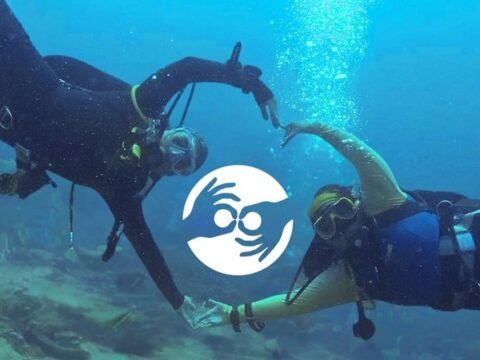
Some marine conservation projects involve scuba diving, freediving, snorkelling, boats or work in open water. Confirm the required certification and experience level, what safety equipment is provided and who supervises activities.
Never assume that previous recreational experience is sufficient for specialist conservation diving or fieldwork. Make sure your travel insurance covers the specific water activities, diving depth and type of project involved.
If the project also involves regular staffing for a commercial dive centre, resort, tour operator or other business, check whether the role may be considered employment under local labour and immigration rules.
Evaluating a marine conservation project
Before committing, ask what the project’s conservation objectives are, who supervises the work, whether relevant permits are held where required and how volunteer activities support longer-term research or conservation work.
For programmes involving data collection, it can also be useful to ask what information is collected, who uses it and whether the project collaborates with local communities, researchers, universities, conservation authorities or other relevant organisations.
Related opportunities
- Diving and scuba volunteering opportunities
- Beach cleaning volunteering opportunities
- Volunteer cleanup projects
- Volunteer opportunities near beaches and the sea
For additional guidance, read Voluntouring’s information about safety and legality in volunteering and work exchanges and visas for volunteering abroad.
Important: project availability, participant fees, wildlife activities, diving requirements and immigration conditions can change. Confirm current information directly with the organisation and relevant authorities before making travel or financial commitments.
Last reviewed: September 2026.
Browse marine conservation volunteering opportunities 🐙🌊
Browse the projects below and use the “Older Posts” navigation if available to continue exploring previous opportunities. Always check the publication date and current participation requirements before applying.
Do you run a marine conservation, ocean research or coastal protection project looking for volunteers? You can submit your opportunity to Voluntouring.org for editorial review.