Balkans
Explore volunteering opportunities in the Balkans, including community initiatives, environmental projects, animal welfare programmes, farm exchanges and responsible hospitality experiences.
Definitions of the Balkan region vary. For practical navigation, this archive includes the Western Balkans and several destinations in Southeastern Europe. Türkiye is presented separately as a related transcontinental destination.
Some listings may be seasonal, archived or no longer available. Always check the date and confirm the current conditions directly with the host before making travel plans.
Western Balkans
- Albania
- Bosnia and Herzegovina
- Kosovo
- Montenegro
- North Macedonia
- Serbia
Southeastern Europe
Related transcontinental destination
How to use this page
Open the opportunity that interests you and check its publication date, application deadline and activity dates. If the listing still appears current, use the contact details to communicate directly with the host.
Before accepting an opportunity, request written confirmation of:
- the identity and legal status of the host;
- the exact location and current availability;
- the tasks and expected weekly hours;
- days off and supervision arrangements;
- accommodation and sleeping conditions;
- meals, local transport and other benefits;
- fees, deposits or requested contributions;
- insurance, visa and entry requirements;
- cancellation and emergency procedures.
Voluntouring does not organise placements, select volunteers, arrange travel or act as an intermediary. Publication in this archive does not guarantee that an opportunity is still active, legal or suitable for every participant.
Food, accommodation and contributions
Conditions vary. Some hosts provide accommodation and meals in exchange for a limited number of volunteer hours. Others offer accommodation only or request a transparent contribution towards food, project materials or organised activities.
Before paying anything, ask for the exact amount, what it covers, whether it is compulsory and whether it is refundable. Avoid hosts who apply pressure, refuse to provide written conditions or request payment through an unrelated personal account.
Pocket money should not be expected from an informal hospitality exchange. It is generally associated with structured or funded programmes. See the pages dedicated to European Solidarity Corps opportunities and projects offering pocket money.
Commercial hospitality and unpaid work
A community exchange is not automatically the same as working at a hostel, hotel, retreat centre, glamping site, campsite or private tourist estate.
When a host operates a commercial business and the requested tasks resemble a normal job, employment and immigration rules may apply even if the position is described as volunteering. A work exchangeA work exchange is an arrangement in which a traveller contributes an agreed amount of help to a host in return for benefits such as accommodation, meals or learning opportunities. Conditions vary by host. should not be used to replace regular paid staff.
Professional roles such as massage therapy, management, marketing, construction or full-time hospitality work require particular scrutiny. Ask whether payment, qualifications, insurance or a formal contract are legally required.
Animal welfare projects
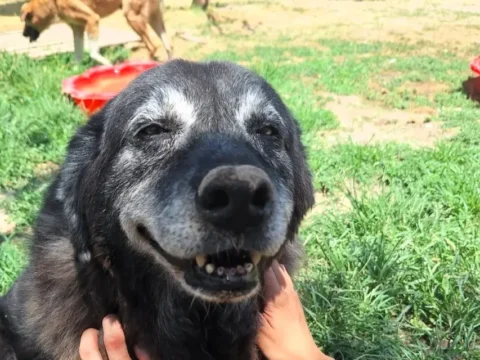
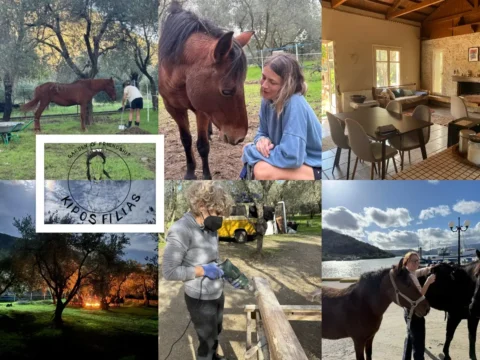
The Balkan archive contains several opportunities involving horses, cats, dogs and animal shelters. Ask whether the project is registered, who provides veterinary supervision and what training volunteers receive.
Confirm whether vaccinations, protective clothing or previous animal-handling experience are required. Volunteers should not perform veterinary procedures or handle aggressive, injured or quarantined animals without qualified supervision.
Check whether your insurance covers animal bites, scratches, zoonotic diseases and farm work. A responsible animal project should prioritise animal welfare rather than using contact with animals mainly as a tourist attraction.
Building and physical activities
Eco-building, renovation, farming and festival preparation may involve tools, heavy lifting, heat or uneven terrain. The host should provide suitable instructions, protective equipment and supervision.
Do not operate machinery, work at height, carry out electrical tasks or undertake structural construction without appropriate experience and safety measures.
Visas, Schengen and border crossings
Bulgaria, Croatia, Greece, Romania and Slovenia participate in the European Union and the Schengen Area. Other destinations listed on this page have their own visa, border and immigration systems.
A Schengen visa or tourist entry permission should not automatically be assumed to permit every type of volunteering or work exchange. Requirements depend on your nationality, destination, length of stay, host type and activities.
If your itinerary crosses several Balkan countries, verify the entry and exit rules for every border. Documentation and travel routes involving Kosovo and Serbia can require additional attention. Carry the required travel documents and consult official advice before choosing a route.
General information about participating countries and short stays is available from the European Commission’s Schengen Area portal. For non-Schengen destinations, consult the official embassy, consulate or immigration authority.
A recognised organisation may provide legitimate project documentation when required, but no host can guarantee a visa or residence permit. Never pay someone who promises guaranteed entry, employment or immigration status.
Safety, weather and local conditions
Projects may take place on islands, in mountain areas, on farms or in remote villages. Summer heat, wildfires, storms, flooding and limited public transport can affect travel and working conditions.
Check official travel advice, weather alerts, border information and local emergency procedures. Ask the host about drinking water, transport, mobile coverage, nearby medical services and evacuation plans.
Insurance and safeguarding
Choose insurance that covers the destination and your planned activities. Standard policies may exclude manual work, animal care, construction, agricultural work, driving or stays lasting several months.
Projects involving children, refugees, patients, disabled people or other vulnerable groups require appropriate safeguarding, professional supervision and clear reporting procedures. Volunteers must not replace qualified staff or have unsupervised responsibility.
Read Voluntouring’s information about travel insurance, safety and legality and safer volunteering with children.
Related opportunities
Important: entry rules, border conditions, project availability and local safety information can change. Confirm everything with the host and official authorities before making travel or financial commitments.
Last reviewed: August 2026.
Volunteering opportunities and hospitality exchanges in the Balkans
This archive displays a limited number of articles per page. Use the “Older Posts” navigation below to continue browsing, and always check the publication date before contacting a host.
Do you run a community project, non-profit initiative, farm, animal welfare organisation or responsible hospitality exchange in the Balkans? Submit your opportunity for editorial review.