Eco-building 🧱🍃
Explore eco-building volunteering opportunities, including natural construction, earth building, adobe, cob, earthbag, yurts and other projects that use traditional or lower-impact building techniques.
Some opportunities focus on learning and community participation, while others involve practical construction or renovation. Projects vary considerably in their methods, materials, level of technical difficulty and supervision, so always read the individual listing carefully before applying.
What is eco-building?
Eco-building, green building and sustainable building are broad terms used for approaches that aim to reduce the environmental impact of buildings while considering factors such as energy, water, materials, waste, durability and the health and comfort of occupants.
The US Environmental Protection Agency describes green building as creating structures that are environmentally responsible and resource-efficient throughout their life cycle, including siting, design, construction, operation, maintenance, renovation and deconstruction.
Eco-building can involve natural or locally available materials, reuse and recycling, passive design, energy efficiency, water conservation and construction methods intended to reduce waste or environmental impact.
However, using earth, straw, timber or other natural materials does not automatically make a building sustainable. The environmental performance of a project also depends on design, sourcing, durability, climate, transport, energy use, maintenance and what happens to the materials at the end of the building’s life.
Possible eco-building activities
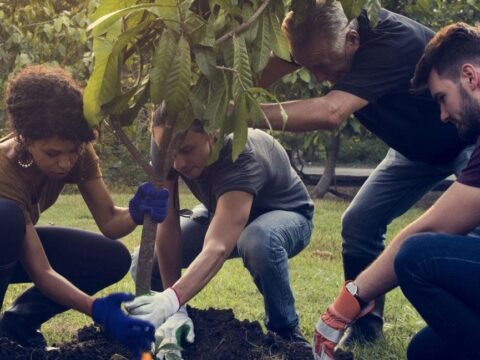
Depending on the project and the volunteer’s experience, activities may include:
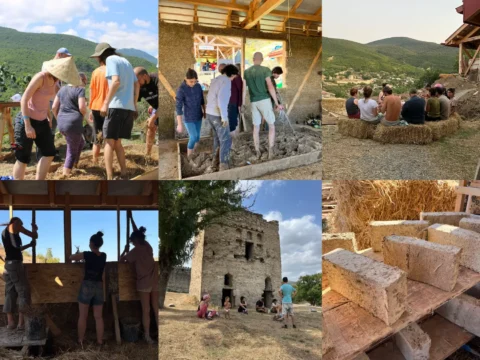
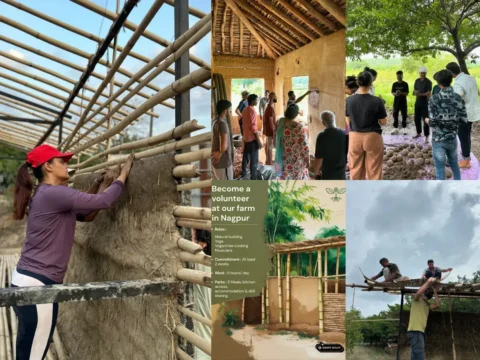
- mixing and applying earth, clay, straw or lime-based materials;
- making adobe or compressed-earth elements;
- building or repairing cob and natural walls;
- helping with earthbag construction;
- preparing natural plasters and finishes;
- working with reclaimed or locally sourced materials;
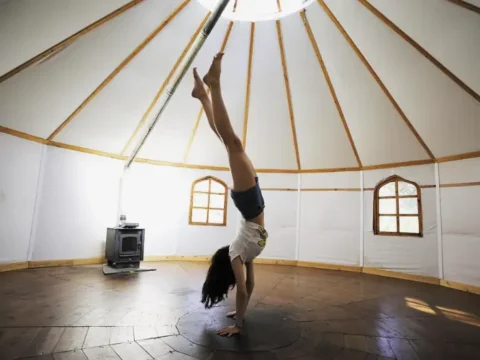
- helping construct yurts, small shelters or other lightweight structures;
- insulation and weatherproofing;
- site preparation and general construction support;
- maintenance and renovation of existing natural buildings.
The individual listing should explain which activities are actually expected. Do not assume that every project provides formal instruction in sustainable architecture or professional construction skills.
Learning through an eco-building project
A well-organised project can offer an opportunity to learn about natural materials, traditional construction methods and sustainable design while participating in a practical community activity.
The quality of the learning experience depends on the host, the people supervising the work and the stage of construction. If learning is an important reason for joining, ask who will provide instruction, what techniques will be demonstrated and how much of the project will involve supervised hands-on practice.
Construction safety and supervision
Eco-building is still construction. Natural materials do not remove the risks associated with tools, heavy loads, ladders, scaffolding, falling objects, dust, electricity, structural work and powered equipment.
Volunteers should receive appropriate information, instruction and supervision before carrying out unfamiliar tasks. Suitable protective equipment should be provided where necessary, and tasks should be matched to the volunteer’s experience and abilities.
Do not operate power tools, construction machinery or unfamiliar equipment without appropriate training and supervision. Work at height, structural alterations, electrical work and other specialised activities should not be assigned to inexperienced volunteers without suitable safeguards and competent oversight.
Volunteers should be able to decline tasks that they consider unsafe or substantially different from what was agreed before arrival.
Building regulations and professional work
Construction rules, permits and building standards vary between countries and regions. A project described as ecological, experimental or community-based is not automatically exempt from local construction, planning or safety requirements.
Ask the host who is responsible for the technical design and supervision of the project, particularly when volunteers are helping with structural elements, roofs, foundations, electrical systems or other safety-critical work.
Volunteer participation should not be used to replace qualified tradespeople where local law, building regulations or the complexity of the work requires professional expertise.
How to use this page
Open the opportunity that interests you and check its publication date, activity dates and current availability. Some older projects may already be completed or may have moved to a different stage of construction.
Read the full announcement and look for the contact details at the end of the listing. Depending on the project, these may include an official website, email address or application form.
Before accepting an opportunity, confirm the expected activities, weekly hours, supervision, accommodation, meals, exact location and any fees or contributions directly with the host.
If construction activities are involved, also ask what tools will be used, what protective equipment is provided, whether previous experience is required and who is responsible for supervising the work.
Voluntouring does not organise placements, supervise building activities or certify the safety, sustainability or legal compliance of the projects featured in this archive.
Related eco-building sections
- Adobe construction projects
- Cob building projects
- Yurt projects
- Tipi projects
- Rocket mass heater projects
- Other construction volunteering opportunities
- Sustainable living projects
For additional general guidance, read Voluntouring’s information about safety and legality in volunteering and work exchanges.
Important: project availability, construction stages, expected activities and safety conditions can change. Confirm current arrangements directly with the host before making travel or financial commitments.
Last reviewed: August 2026.
Browse eco-building volunteering opportunities 🧱🌱
Browse the projects below and use the “Older Posts” navigation to continue exploring previous opportunities. Always check the publication date and confirm the current construction stage before contacting a host.
Do you run an eco-building, natural construction or sustainable building project that welcomes volunteers? You can submit your opportunity to Voluntouring.org for editorial review.