Organic Farms 🌱
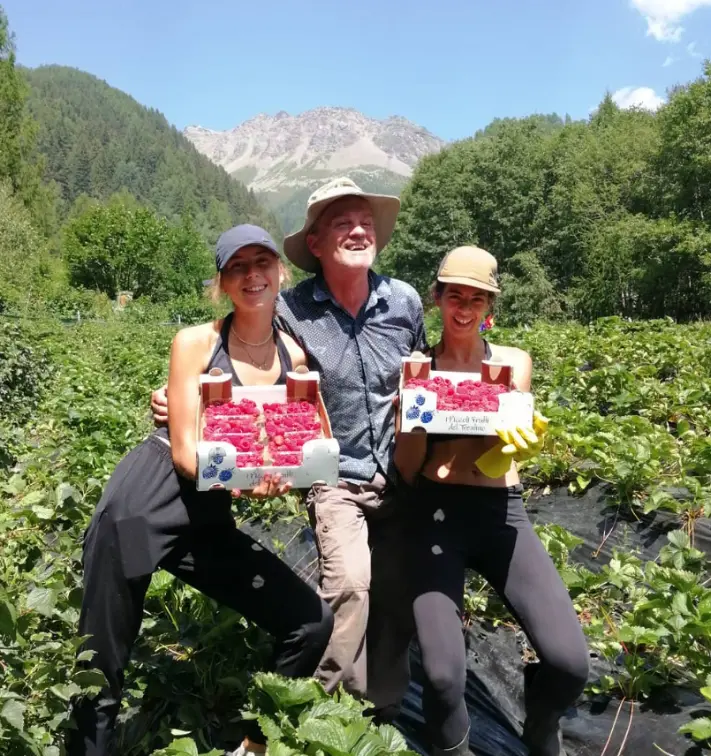
Explore organic farm volunteering opportunities and rural work exchangesA work exchange is an arrangement in which a traveller contributes an agreed amount of help to a host in return for benefits such as accommodation, meals or learning opportunities. Conditions vary by host. where organic growing or farming is a genuine part of the project. Opportunities may involve vegetable production, orchards, harvesting, soil care, composting, animal care or other seasonal farm activities.
This archive can include certified organic farms as well as smaller hosts that explicitly describe their farming as organic without claiming formal certification. PermaculturePermaculture is a design approach that applies ecological principles to land use, food production and human settlements, aiming to create resilient and resource-efficient systems., regenerative or ecological projects should not be assumed to be organic unless the host actually describes their farming that way.
What is organic farming? 🌱
Organic farming is an approach to agricultural production governed by standards concerning soil management, crop protection, animal husbandry and permitted inputs. Exact rules and certification systems vary between countries. Organic does not necessarily mean pesticide-free, and a host describing a farm as organic is not automatically claiming that it holds formal organic certification.
Organic status and farm activities
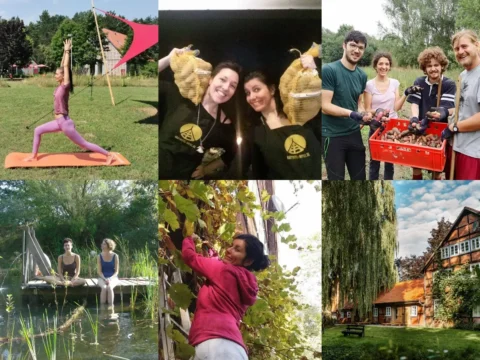
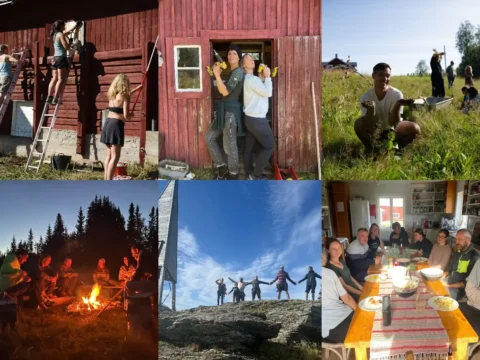
Activities vary with the season and type of farm and may include sowing, transplanting, weeding, harvesting, composting, orchard care, irrigation, animal care or general farm maintenance. Check the individual listing to understand what volunteers actually do and whether the farm is certified, self-described as organic or using particular ecological growing methods.
Farm work can involve tools, machinery, animals, lifting and uneven terrain. Ask about training, supervision and protective equipment, and do not operate unfamiliar machinery without suitable experience and instruction.
How to use this page
Check the publication date and confirm the current activities, weekly hours, days off, accommodation, meals, minimum stay and any fees or compensation directly with the host. If organic certification matters to you, ask which certification body or authority issued it rather than relying only on the word “organic” in a description.
Commercial agricultural work may also be subject to employment and immigration rules even when accommodation or meals are provided. For broader guidance, see safety and legality in volunteering and work exchanges.
Related opportunities: Farms 🌾🚜 · Permaculture 🌱 · Gardening 🌱🥕
Last reviewed: September 2026.
Browse organic farm volunteering opportunities 🌱
Browse the opportunities below and check each listing to understand how organic farming is actually practised at the project. Activities and growing conditions can change considerably between seasons.
Do you run a farm or rural project where organic farming is genuinely part of the volunteer activities? You can submit your opportunity to Voluntouring.org for editorial review.