Horses 🐎
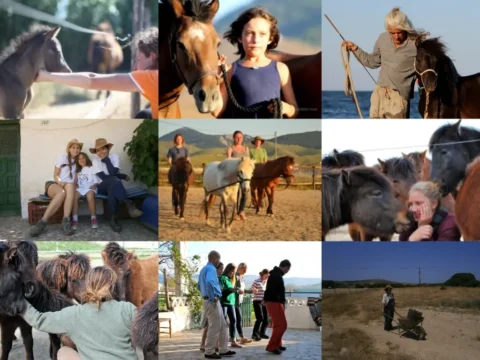
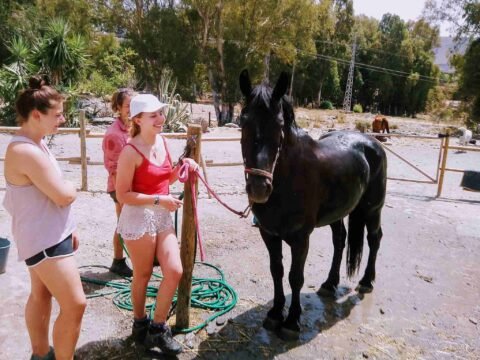
Explore horse volunteering opportunities on farms, ranches, sanctuaries, rescue projects and other places where equine care is an important part of the experience.
Activities may range from feeding, grooming and stable care to groundwork, pasture maintenance, rehabilitation or riding-related tasks. The level of experience required varies considerably, so always read the individual listing carefully.
Some opportunities may be seasonal, archival or no longer active. Check the publication date and confirm current activities, horse-care standards and participation requirements directly with the host before applying.
What can volunteering with horses involve?
Depending on the project, participants may help with:
- feeding and providing water;
- grooming and routine horse care;
- cleaning stables, shelters or paddocks;
- moving hay, bedding or equipment;
- maintaining fences, fields and pasture;
- leading or handling suitable horses;
- groundwork or training activities under supervision;
- supporting rescue or rehabilitation projects;
- riding activities where appropriate experience is required.
The listing should explain exactly what is expected. Basic horse care is different from training, exercising, breaking in horses or providing riding instruction, all of which may require greater experience or professional qualifications.
Horse welfare and responsible projects
Before joining, ask how the horses are housed, fed and exercised, what veterinary and hoof-care support is available and what happens when an animal becomes injured or unfit for work.
The needs of the horses should come before the participant’s desire to ride or interact with them. Not every horse is suitable for every volunteer, and direct handling should depend on the animal’s temperament, health and training as well as the participant’s experience.
Projects involving rescued, elderly or rehabilitating horses may require additional patience, restrictions on riding and specialist supervision.
Experience, riding and training
Be clear about your actual level of equestrian experience when applying. Riding regularly does not automatically mean that someone is qualified to train horses, manage difficult behaviour or supervise other riders.
If the opportunity includes riding, groundwork or animal training, ask what experience is required, who supervises the activity and which horses volunteers are permitted to handle.
Veterinary treatment, medication, dentistry and other specialist procedures should remain with appropriately qualified and authorised professionals.
How to use this page
Open the opportunity that interests you and read the complete announcement. Look for the contact details at the end of the listing to find the host’s website, email address or application procedure.
Before applying, confirm:
- the number and type of horses involved;
- the exact volunteer tasks;
- the riding or horse-handling experience required;
- training and supervision;
- weekly hours and days off;
- accommodation and meals;
- minimum stay;
- insurance requirements;
- any fees, deposits or other financial conditions.
Some opportunities may be fair exchanges with no mandatory participant fee, while others may request a contribution or programme fee. If payment is required, ask for the exact amount, what it covers and the applicable payment, cancellation and refund conditions before making a commitment.
Voluntouring does not organise placements, select participants, arrange visas or mediate between volunteers and hosts. It does not process participant payments between travellers and host organisations. Publication on Voluntouring.org does not in itself constitute verification, endorsement or a recommendation of an opportunity.
Safety around horses
Working with horses can involve kicks, bites, falls, crushing injuries and sudden movement. Ask what safety instructions and protective equipment are required and avoid handling unfamiliar or difficult horses without suitable supervision.
If riding forms part of the opportunity, confirm what protective equipment is provided or required and make sure your insurance covers horse riding and the specific activities involved.
Tasks involving machinery, heavy hay bales, fencing or large farm equipment may introduce additional risks and should only be undertaken with appropriate instruction.
Horse exchange or employment?
Some opportunities take place on private farms or non-profit animal projects, while others operate within commercial ranches, riding schools, trekking businesses or equestrian tourism operations.
Regular stable work, guiding paying customers, exercising commercial horses or covering duties normally performed by employees may be considered employment under local labour or immigration rules even when accommodation is provided instead of a salary.
For additional guidance, read Voluntouring’s information about safety and legality in volunteering and work exchanges and visas for volunteering abroad.
Related opportunities
- Horsemanship volunteering opportunities
- Natural horsemanship projects
- Ranch volunteering opportunities
- Animal care volunteering opportunities
- Animal welfare volunteering opportunities
- Animal training volunteering opportunities
Important: horse-care practices, riding activities, project availability, participant fees and safety requirements can change. Confirm current information directly with the host before making travel or financial commitments.
Last reviewed: September 2026.
Browse horse volunteering opportunities 🐎🌿
Browse the projects below and use the “Older Posts” navigation if available to continue exploring previous opportunities. Always check the publication date, required experience and current horse-care arrangements before applying.
Do you host a farm, ranch, sanctuary or other equine project looking for volunteers? You can submit your opportunity to Voluntouring.org for editorial review.