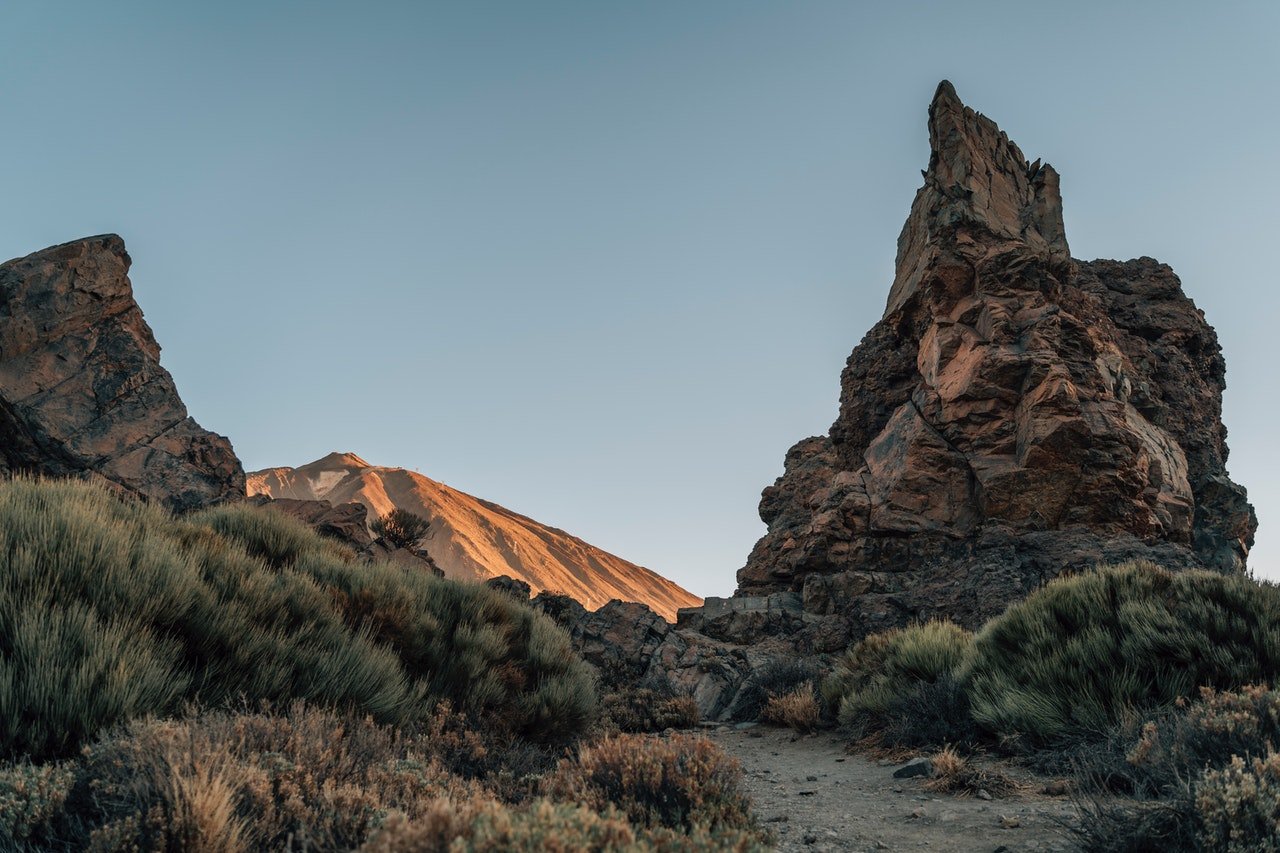
La Palma, often referred to as “La Isla Bonita” (The Beautiful Island), is the northwesternmost of Spain’s Canary Islands, located in the Atlantic Ocean. Covering an area of approximately 708 square kilometers, it is renowned for its lush landscapes, diverse ecosystems, and dramatic volcanic terrain.
The island’s topography is dominated by the Caldera de Taburiente, a massive erosion crater that forms the central feature of the Caldera de Taburiente National Park. The highest point on La Palma is the Roque de los Muchachos, standing at 2,426 meters, making it the second-highest peak in the Canary Islands. This elevation provides varied climatic zones, from humid laurel forests to arid volcanic landscapes.
La Palma is one of the most volcanically active islands in the Canaries. Notably, the Cumbre Vieja volcano erupted in 2021, lasting 85 days—the longest eruption recorded on the island. This event led to significant geological changes and the creation of new landforms, including a new black sand beach, enhancing the island’s unique landscape.
In 2002, UNESCO designated the entire island as a Biosphere Reserve, recognizing its rich biodiversity and commitment to sustainable development. La Palma’s forests are among the most extensive in the Canary Islands, featuring endemic species such as the Canary Island pine and diverse laurel forests.
Permaculture Vegan Project in the cosy island of La Palma, Canary Islands