East Asia
Volunteer opportunities in East Asia include cultural exchanges, language programs, farms, hostels, cafés, educational projects, animal care, seasonal hospitality and community initiatives.
This archive contains different types of opportunities, including volunteering, work exchanges, paid employment, youth events and cultural programs. Read each announcement carefully and verify its current status before applying.
Browse volunteer opportunities by country
How to use this archive
Open the announcement that interests you and check its publication date, application deadline and availability. Programs linked to a particular season, summit, camp or academic year may have expired even if the page remains online.
If the opportunity is still active, look for the contact details section. Contact the host directly through its website, email address, telephone number or application form.
Before accepting an opportunity, request written information about:
- the identity and address of the host;
- the type of program being offered;
- tasks, working hours and days off;
- accommodation, meals and local transport;
- fees, deposits and reimbursement conditions;
- visa or work-permit requirements;
- insurance and emergency procedures.
Volunteering, cultural events or paid employment?
Not every announcement in this archive represents a volunteer position. Some listings promote youth summits, cultural camps, language programs, internships or paid jobs.
A participant attending a conference or cultural program is not necessarily a volunteer. Likewise, a paid teaching or hospitality position is employment and should not be described as volunteering.
Ask the organizer to define the arrangement clearly:
- Volunteering: service carried out for a nonprofit or community purpose;
- Work exchange: a limited amount of help in return for accommodation or other agreed benefits;
- Cultural program: an event in which you participate rather than work;
- Paid employment: work governed by employment, tax and immigration rules.
Teaching, tutoring and language exchanges
Several East Asia listings involve teaching English, tutoring, language cafés, summer camps or sports activities. Teaching and tutoring may be regulated even when the host describes them as cultural exchange or volunteering.
For paid teaching positions, request a written contract stating the employer’s legal name, salary, working hours, accommodation deductions, insurance and required work authorization. Research the school or recruiter independently and never rely only on information supplied through social media.
Do not begin paid or unpaid teaching on a tourist status unless the relevant immigration authority has confirmed that the activity is permitted. Never give your passport to an employer or recruiter for safekeeping.
Au pair and homestay tutoring programs
Living with a family can provide a meaningful cultural exchange, but arrangements involving childcare or private tutoring require clear boundaries. Confirm the daily schedule, private sleeping space, meals, days off, curfew, transport, pocket money and procedure for leaving the placement.
Ask to speak privately with a previous participant and arrange an independent emergency contact. Volunteers should never be made entirely responsible for children without appropriate experience, supervision and legal authorization.
Safeguarding children and young people
Schools, camps and youth programs should have a safeguarding policy, trained supervisors, background checks, a code of conduct and procedures for reporting concerns.
Short-term volunteers should not replace qualified local teachers or be given unsupervised access to children. Do not accept duties involving intimate care, overnight responsibility, unnecessary physical contact or publication of identifiable images without informed consent.
Learn more about safer alternatives to volunteering with children.
Hostels, cafés, resorts and commercial exchanges
Some opportunities involve hostels, ski resorts, cafés, tourism businesses or other commercial activities. Ask why unpaid volunteers are being used and whether the exchange complies with local employment and immigration rules.
Accommodation alone does not justify unlimited or full-time work. Agree in writing on tasks, weekly hours, days off, sleeping arrangements and any meals or benefits included.
A genuine paid role should include a legal contract, salary information and the appropriate work authorization. Avoid employers who ask you to enter as a tourist, hide the nature of your work or give immigration officials misleading information.
Farms, stables and animal-related projects
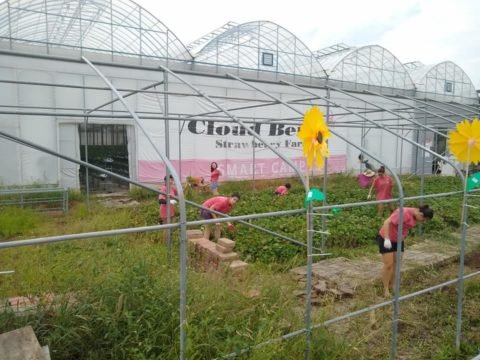
Agricultural and animal-care work can involve machinery, chemicals, heavy lifting, extreme weather and large animals. Ask about training, protective equipment, supervision, working hours and accident procedures.
Animal welfare should take priority over entertainment or promotional content. Volunteers should not undertake veterinary procedures or handle animals beyond their training and competence.
Fees, deposits and “fully funded” programs
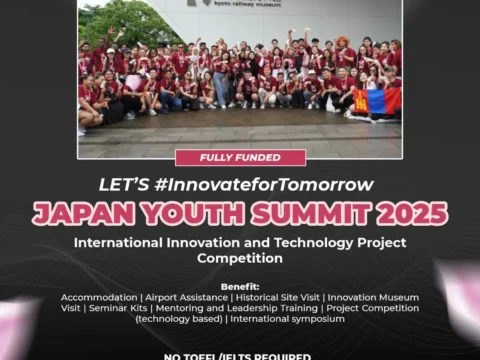
Some listings advertise free flights, scholarships or fully funded participation. Ask exactly which expenses are covered and whether payment is provided in advance or reimbursed after the program.
Request written information about:
- airfare limits and reimbursement dates;
- visa, insurance and local transport costs;
- registration or administration fees;
- accommodation and meal coverage;
- deposits and refund conditions;
- what happens if the program or journey is cancelled.
Do not assume that a fee creates a greater social impact. Avoid sending money to a personal account without verifying the organization and receiving a written invoice or receipt.
Digital access, photography and sensitive activities
Internet access, social-media platforms and cloud services may not operate in the same way throughout East Asia. In mainland China, some services commonly used elsewhere may be unavailable or restricted. Save essential travel, insurance and host information in a form you can access offline.
Local rules concerning photography, drones, journalism, research, religious activity, demonstrations and online publications can be strict. Activities involving NGOs, political subjects, minority communities or sensitive locations may receive additional official scrutiny.
Ask permission before photographing people, workplaces or private property. Never photograph military facilities, border infrastructure or other restricted areas.
Natural hazards and emergency preparation
Earthquakes, tsunamis, typhoons, flooding and landslides can affect parts of East Asia. Check whether your accommodation has safe exits, working alarms, an evacuation meeting point and access to local emergency information.
Keep your passport, medication, insurance details and emergency contacts accessible. Follow local alerts and never ignore evacuation orders because of volunteer duties or obligations to a host.
Updated 19 August 2026: official advice reports possible aftershocks and disruption following the July 2026 earthquake in Kumamoto Prefecture, Japan. Recent weather warnings have also affected Taiwan, while typhoon seasons can disrupt transport in China, South Korea, Japan and Taiwan. Check current conditions immediately before travelling.
Regional tensions and civil emergency procedures
Security conditions on the Korean Peninsula and around the Taiwan Strait can change. Follow official instructions during civil emergency exercises, air-raid drills or temporary transport controls.
Avoid restricted border and military areas. In South Korea, foreign nationals should not participate in political activities or demonstrations. Similar legal restrictions may apply elsewhere, so research local laws before joining public events or campaigns.
Official travel advice
These links are provided as a starting point. Travellers should also consult the official advice issued by their own government and follow instructions from local authorities.
Visa and travel insurance
Entry rules depend on your nationality, destination and planned activities. A tourist or visa-free entry status may not permit paid work, teaching, au pair duties, commercial work exchanges or long-term volunteering.
Confirm the appropriate status directly with the destination’s embassy or immigration authority. An invitation from a host does not guarantee entry or make an activity legal.
Read our guides about visas for volunteering, safety and legality and the Voluntouring FAQ. You can also consult our travel insurance guide.
Important disclaimer
Voluntouring publishes independent listings and does not organize placements, employ volunteers, recruit teachers, issue visas or act as a travel agency. Publication on this website does not constitute an endorsement or guarantee.
Volunteers and hosts communicate directly and remain responsible for verifying identities, contracts, legal requirements, costs, insurance and safety conditions. Decline any arrangement that requires misleading immigration authorities or withholding essential information.
Explore other regions of Asia
Volunteer opportunities in East Asia 🌏
This archive displays approximately 12-15 listings per page. Select “Older Posts” below to continue browsing.
Do you represent a community, nonprofit organization, farm, educational initiative or responsible hospitality project in East Asia?