Off-grid living 🌿🔋

Explore off-gridOff-grid refers to a place or lifestyle operating partly or fully independently from public utilities, often using its own systems for electricity, water or waste. volunteer and work exchangeA work exchange is an arrangement in which a traveller contributes an agreed amount of help to a host in return for benefits such as accommodation, meals or learning opportunities. Conditions vary by host. opportunities at homes, farms, communities, eco-centres, retreats and accommodation projects that operate partly or fully independently from public utility networks.
Off-grid living can involve solar or wind power, independent water systems, composting toiletsA composting toilet is a sanitation system that treats human waste with little or no flushing water, using biological decomposition instead of a conventional sewer connection., wood heating and other locally managed infrastructure. Facilities and levels of independence vary considerably between projects.
What does off-grid mean? 🌿🔋
Off-grid generally describes a home, building or community that operates without relying fully on public utility networks, especially the main electricity grid. Power may come from solar, wind, hydro, generators or batteries, while water and sanitation may also be managed locally. Off-grid does not automatically mean self-sufficient, remote or without internet.
What an off-grid exchange may involve
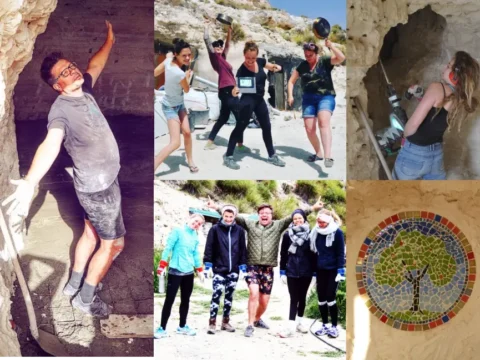
Activities can include gardening, food growing, animal care, natural buildingNatural building is an approach to construction that emphasises locally available, minimally processed and lower-impact materials and techniques., maintenance, firewood preparation, water systems or renewable energy projects. Other hosts may offer housesitting, hospitality or general help while volunteers experience everyday off-grid living.
Electrical work, construction, machinery and other technical activities should match your actual experience and remain appropriately supervised.
How to use this page
Before travelling, confirm how electricity, drinking water, showers, toilets, heating, cooking and refrigeration work at the project. Also ask about internet and phone coverage, transport access, accommodation, volunteer hours, days off, meals and any fees or contributions.
Simple or limited facilities are not necessarily a problem, but they should be clearly explained before arrival. If an opportunity involves construction, commercial hospitality or other regular productive work, also check the relevant insurance, immigration and employment conditions. See Voluntouring’s safety and legality guidance.
Related opportunities: Self-sufficiency 🥕 · Eco-villages 🏡 · Permaculture 🌱 · Natural building ⚒️🌳
Last reviewed: September 2026.
Browse off-grid living volunteer opportunities 🌿🔋
Browse the opportunities below and check each listing to understand what “off-grid” means in that particular project. Infrastructure, access and living conditions can differ considerably between hosts.
Do you host a genuinely off-grid home, farm, community or eco-project that welcomes volunteers or travelling helpers? You can submit your opportunity to Voluntouring.org for editorial review.