Northern Europe
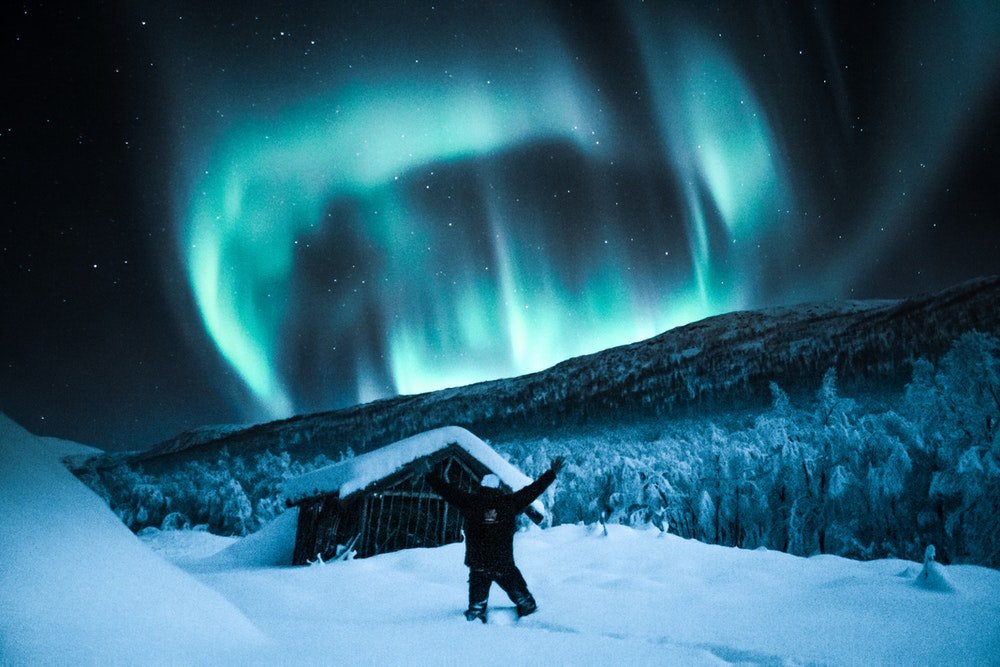
Discover volunteering opportunities in Northern Europe, including environmental projects, cultural initiatives, community programmes, work exchangesA work exchange is an arrangement in which a traveller contributes an agreed amount of help to a host in return for benefits such as accommodation, meals or learning opportunities. Conditions vary by host. and responsible hospitality experiences.
For editorial purposes, this archive brings together the Nordic countries and the Baltic states. Geographical classifications may vary, but this grouping helps readers browse projects with similar regional, climatic and travel characteristics.
Browse by destination
Baltic countries
How to use this page
Open the announcement that interests you and check its publication date, application deadline and proposed activity dates. Many opportunities in Northern Europe are seasonal, so an article may remain online after the project has ended.
Read the complete announcement and use the contact details to communicate directly with the host. Before accepting an opportunity, request written confirmation of:
- the current availability and exact dates;
- the location and nearest public transport;
- the tasks and expected weekly hours;
- accommodation, heating and sleeping arrangements;
- meals and support for dietary requirements;
- local transport and travel reimbursement;
- any contribution or additional expense;
- insurance, visa and entry requirements;
- emergency contacts and procedures.
Voluntouring does not select participants, organise travel or act as an intermediary. The presence of an announcement in this archive does not guarantee that it is still available or suitable for every traveller.
Accommodation, meals and project costs
Conditions differ from one host to another. Some exchanges provide accommodation and meals in return for a limited number of volunteer hours. Others may provide accommodation only or request a transparent contribution towards food, activities or project materials.
Northern European countries can have relatively high everyday costs. Ask whether local transport, work equipment, laundry, heating, special diets and transfers from the nearest station are included. Make sure you have enough personal funds for expenses not covered by the host and for an unexpected early departure.
Pocket money should not be expected from an informal hospitality exchange. It is more commonly associated with structured or funded programmes. See the pages dedicated to European Solidarity Corps opportunities and projects offering pocket money.
Visas and the Schengen Area
The countries included in this archive participate in the Schengen Area, but Iceland and Norway are not members of the European Union. Freedom of movement, visa requirements and permission to undertake volunteering depend on your nationality, residence status, length of stay and type of project.
A tourist entry permission or short-stay Schengen visa should not automatically be assumed to cover every form of volunteering or work exchange. Informal exchanges at commercial businesses may be treated differently from participation in an accredited non-profit programme.
Before travelling, check the destination country’s official immigration or embassy website. General information is available from the European Commission’s pages about the Schengen Area and the EU Immigration Portal.
A recognised organisation may provide legitimate project documentation when required, but no host can guarantee that a visa or residence permit will be issued. Never pay someone who promises guaranteed entry, employment or residency.
Climate and remote locations
Some projects take place on islands, in forests, on farms or in remote coastal communities. Public transport may be infrequent and weather conditions can change quickly.
Ask the host about appropriate clothing, waterproof equipment, winter temperatures, daylight hours, heating and access to shops or medical services. Confirm who pays for specialised equipment and transfers to isolated locations.
Outdoor work and safety
Forestry, sailing, construction, farming, beach cleaning and animal care may involve physical effort or specialist equipment. A responsible host should provide suitable instructions, supervision and protective equipment.
Do not operate machinery, work at height, sail in unsafe conditions or carry out professional tasks without appropriate training. You should be free to refuse work that is dangerous or substantially different from the published description.
Insurance
Choose a policy that covers the destination, duration and activities you plan to undertake. Standard travel insurance may exclude manual work, sailing, forestry, construction, agricultural activities or long stays.
Ask the insurer for written confirmation if you are uncertain. Check whether the policy includes medical treatment, personal liability, repatriation, cancellations and transport from remote areas. Read Voluntouring’s information about travel insurance.
Responsible exchanges
The number of requested hours should be proportionate to what the host provides. A volunteer exchange should not be used to replace regular paid employment, particularly in commercial accommodation, tourism or hospitality businesses.
Ask about days off, privacy, internet access, shared facilities and house rules. If the project involves children or vulnerable people, verify that appropriate safeguarding, supervision and screening procedures are in place.
Important: conditions, prices, transport services and entry requirements can change. Confirm all information with the host and official sources before travelling.
Last reviewed: August 2026.
Volunteering opportunities and hospitality exchanges in Northern Europe
This archive displays approximately 12 to 15 articles per page. Use the “Older Posts” navigation below to continue browsing, and always check the publication date before contacting a host.
Do you run a community initiative, environmental project, non-profit organisation or responsible hospitality exchange in a Nordic or Baltic country? Submit your opportunity for editorial review.