The orphanage business is not a single organisation or a single country. It is a pattern that can appear when institutions rely on visitors, donations, and short-term placements to keep running. In that model, children can become part of the marketing, and access to children becomes a “feature” that gets sold. Strong child safeguarding avoids that by setting strict boundaries: screening, training, supervision, and privacy protections are non-negotiable.
Orphanage business and orphanage tourism
Orphanage tourism often looks like a harmless visit, a few hours of “help”, photos, then a donation. But many child protection specialists warn that institutional care is a high-risk environment for children, and that volunteering or visiting can create incentives that do not align with a child’s best interests. Ethical support focuses on families and community services, not on creating demand for access to children.
- You can start working with children immediately, with little or no checks, training, or supervision.
- The placement highlights physical affection, “bonding”, or one-to-one time as the main activity.
- Children’s faces, names, or personal stories are used to sell the experience or raise funds.
If you want to contribute without increasing risk, pick roles that strengthen services while limiting direct access to children. This can mean supporting admin, logistics, communications, translations, grant writing, monitoring and evaluation, or training for local staff. These roles may feel less dramatic, but they are easier to safeguard and can be genuinely useful.
Look for organisations that prioritise family-based care, support parents and caregivers, and can show a clear safeguarding policy with reporting pathways and staff supervision. If an organisation cannot explain how it keeps children safe, it is not ready to host volunteers.
Further reading from organisations working on safeguarding and alternative care:
- Better Care Network: orphanage tourism and orphanage volunteering (PDF)
- UNICEF: child safeguarding toolkit (PDF)
- UN: Guidelines for the Alternative Care of Children
- ECPAT: risks in voluntourism involving children
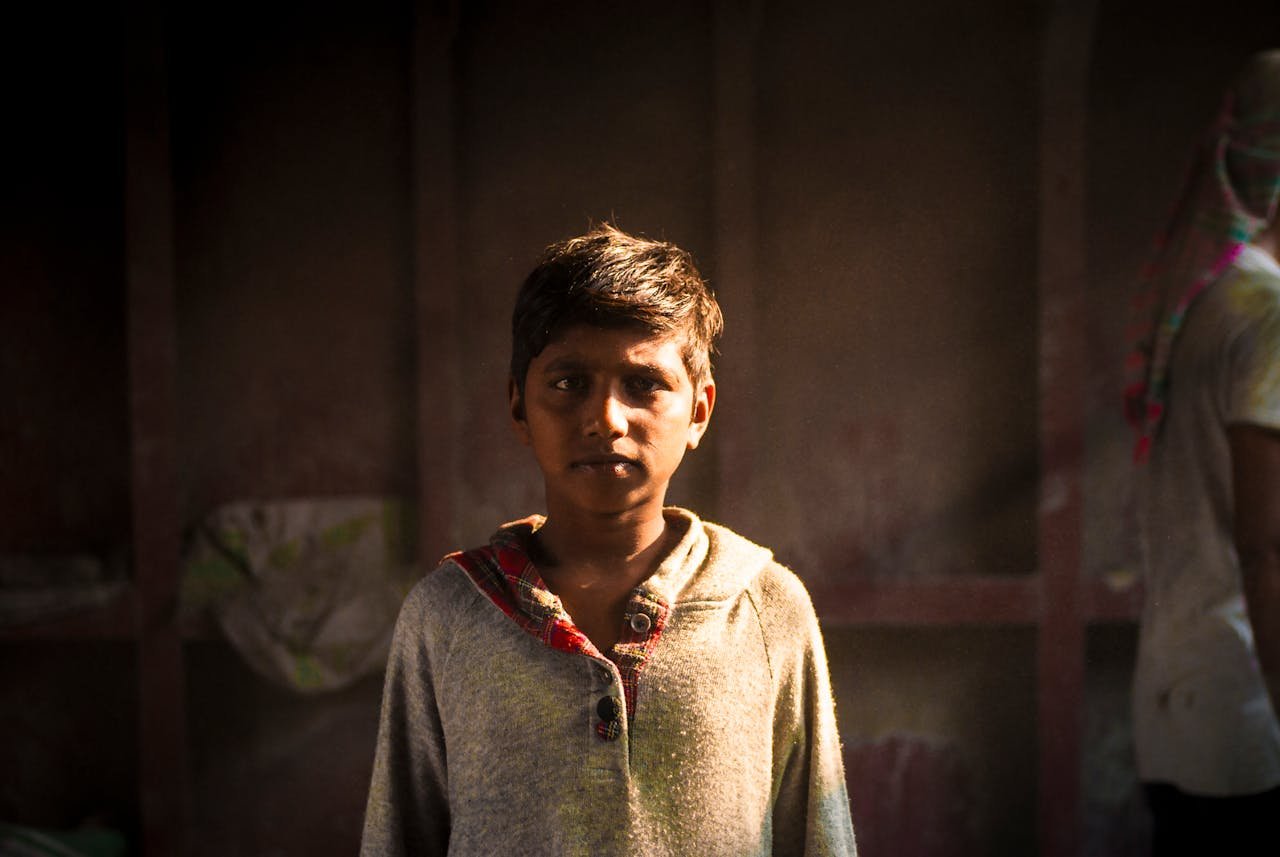
photo credit: Khan Nirob via Pexels