What is slow travel?
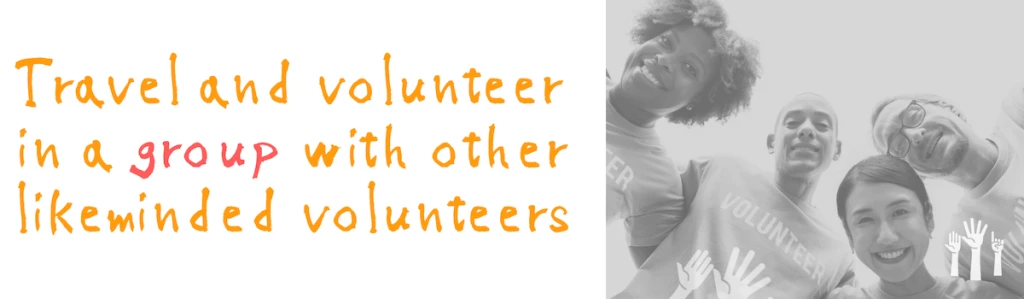
Slow travel is a way of travelling that values time, connection, and care. It usually means staying longer in one place, using lower impact transport when possible, learning how daily life works, and building respectful relationships. It can include volunteering abroad, work exchangeA work exchange is an arrangement in which a traveller contributes an agreed amount of help to a host in return for benefits such as accommodation, meals or learning opportunities. Conditions vary by host., alternative travel styles, couchsurfing and other hospitality exchange, plus sustainable or regenerative tourism choices that aim to reduce harm and support local wellbeing.
Slow travel is not about ticking off as many places as possible. It is about going deeper, moving with more intention, and leaving space for the human side of travel: conversations, local routines, and real understanding of a destination.
How volunteering abroad and work exchange fit into slow travel
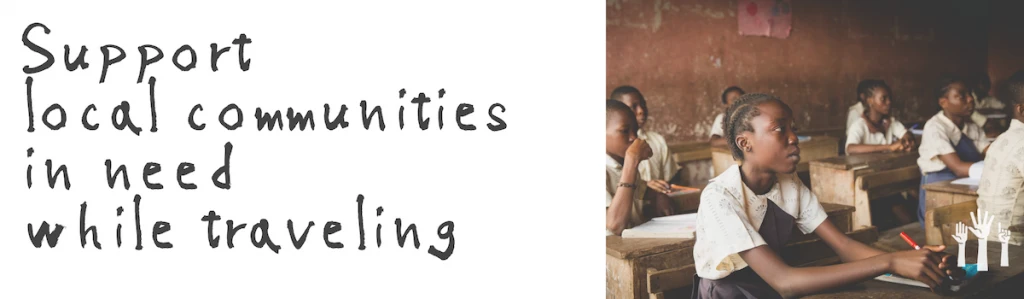
Volunteering abroad can be part of slow travel when it is community led, transparent, and designed around real needs, not around the volunteer’s feelings or photos. A slower approach often means a realistic time commitment, clear tasks, proper training or supervision, and respect for local knowledge. It also means choosing hosts who can explain how the work helps, who benefits, and what happens when volunteers leave.
If a project cannot clearly describe its safeguarding, supervision, and long-term plan, treat it as a red flag. Slow travel is also slow decision-making.
Alternative travel, overland routes, and couchsurfing culture
Alternative travel often overlaps with slow travel because it focuses on experience, community, and simpler ways of moving. That can include overland travel by train, bus, cycling, or walking, plus staying in homes, small guesthouses, farms, and community spaces instead of anonymous chains. Couchsurfing style hospitality exchange, when done safely and respectfully, can add genuine cultural connection and reduce the “tourist bubble” feeling.
If you use hospitality exchange, take safety seriously: read profiles carefully, communicate clearly, respect boundaries, and have a backup plan. A good slow travel experience should feel mutual and comfortable for everyone involved.
Sustainable and regenerative tourism inside a slow travel mindset
Sustainable tourism focuses on reducing negative impacts and increasing benefits for local communities and environments. Regenerative tourism goes a step further and aims to leave places stronger than before, for example by supporting restoration, biodiversity, local food systems, and community wealth building. Slow travel supports these goals naturally, because fewer rushed moves and more local engagement usually means more mindful spending, less waste, and better decisions.
Credible sustainability or destination standards, fair local employment, local ownership, transparent impact reporting, and clear rules that protect nature and residents.
One ethical note that matters for volunteering
Some forms of volunteering, especially in orphanages or with children, can create serious harm even when intentions are good. Prioritise child safeguarding, family based care, and programmes that do not place short-term visitors in roles of care or authority over children.
Simple rule
If a placement involves children, choose extreme caution and follow established child protection guidance before you engage.
Want more slow travel ideas and updates?
Explore Voluntouring.org
If you want practical inspiration and regular updates, browse our slow travel tag and our news tag. These sections are where we collect articles, ideas, and international changes that matter for overland travel, volunteering abroad, and alternative travel planning.
Voluntouring.org: slow travel
Voluntouring.org: news
Optional external references to learn more:
- UN Tourism
- UN SDGs: sustainable tourism
- GSTC Standards for sustainable tourism
- GSTC on regenerative tourism
- The Travel Foundation on sustainable and regenerative tourism
- Future of Tourism Coalition: guiding principles
- Couchsurfing
- UN Volunteers (UNV)
- UNICEF guidance on volunteering in orphanages
Explore our SLOW TRAVEL section 🦥🎒
Read the complete article 👇🏻
Read the complete article 👇🏻
Slow travel news December 2025 | night trains, sleeper buses and volunteering signals 🚞