

A few things that make a volunteer exchange feel safe and fair
A guide for volunteers and hosts
Volunteering can be an enriching experience, opening doors to new cultures, skills, and friendships. It also requires careful planning. Safety should never be compromised, and experiences should be mutually beneficial for both volunteers and hosts.
Below you will find practical steps you can take to help create a harmonious, respectful, and memorable volunteer exchange.
On this page
1. Do thorough background checks
2. Do not judge people by their foreign language
3. Meet online before you arrive
4. Look beyond appearances
5. Tell someone your plans
6. Meet in public first
7. Trust your instincts
8. Have a backup plan
9. Learn local emergency procedures
10. Secure your belongings
11. Respect boundaries and set your own
12. After your stay, leave feedback
1. Do thorough background checks
Go beyond surface level profiles.
Look deeper than basic info. Hosts often share a website and social profiles (Facebook, Instagram, sometimes YouTube). Review them carefully to understand the place, the people, and the expectations. If there is no website or social presence at all, take the extra step in section 3 and ask for a video call before committing.

If you are a host, follow a similar process. Request a short resume, references if relevant, and links to social profiles if you feel it is appropriate. Ask volunteers about their motivations and what they hope to learn. The goal is a good match, not “perfect” people.
2. Do not judge people by their foreign language
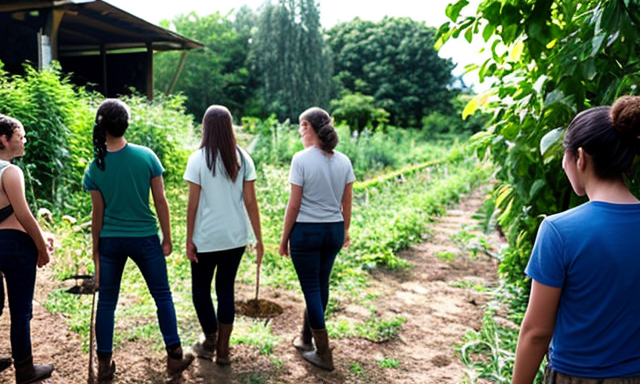
Volunteers and hosts come from all over the world. If someone is not fluent, focus on the essentials: how they respond, how they treat you, and whether communication feels respectful and consistent. Also avoid assumptions based on country of origin, culture, or religion. Cultural differences are normal, and clarity improves quickly when both sides stay patient and direct.
3. Meet online before you arrive
Start with a video call. It gives you a better sense of the person and the place than text alone.
.jpg)
Questions worth asking during a video call
Ask about house rules, the specific tasks you will do, the expected work schedule, and what free time usually looks like. Also ask if there will be other volunteers at the same time, or if you will be alone.
%20-%202.jpg)
If accommodation matters to you, ask to see where you will sleep and eat. Keep expectations realistic: farms and rural projects can be messy, and “perfect tidiness” is not always the point. What matters is basic hygiene, respect, and honest communication.
Safety and emergencies
Discuss safety in the area and what happens in an emergency. Knowing the plan in advance helps you stay calm and make good decisions if something goes wrong.
%20-%204.jpg)
If you are joining a farm or an animal sanctuary project, hosts should explain the real risks of working with animals, including possible aggressive behaviour. It can be fun and rewarding, but it is still work with safety rules.
4. Look beyond appearances
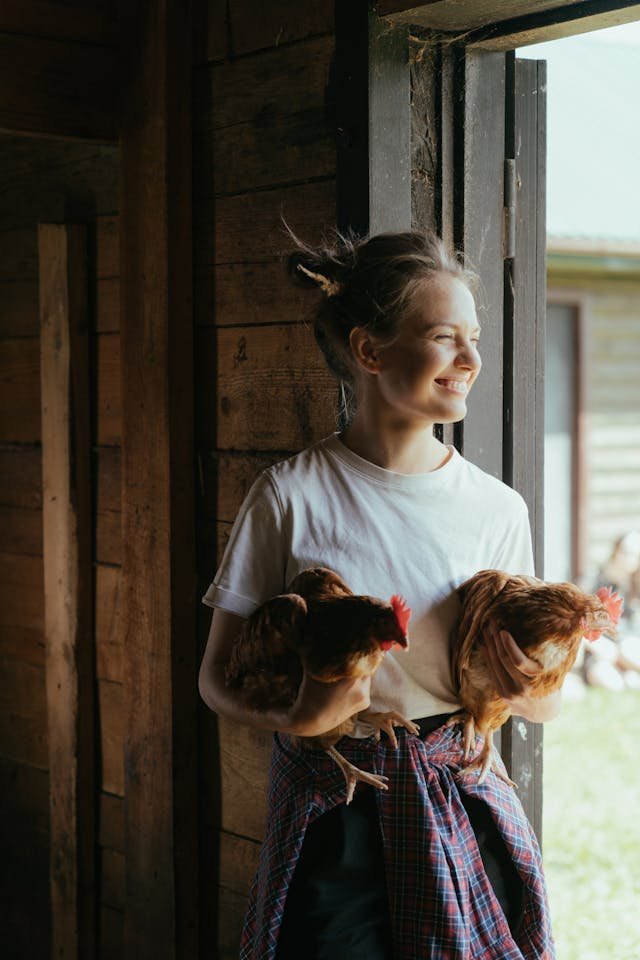
A messy place or an unfinished home does not automatically mean a bad experience. Many hosts need help to tidy up or renovate. Without help, a property can stay incomplete for years.
Often, what matters most is the character and warmth of the people, and the honesty of the agreement.
Make sure the people you are helping or hosting are genuinely interested in cultural exchange. Ask clear questions about expectations. If you are a volunteer, ask if the host has ever been a volunteer too. If you are a host, ask what the volunteer expects to learn and what kind of routine they enjoy.
5. Tell someone your plans
Share details with someone you trust: where you will be, who you will be with, and how long you plan to stay. Consider simple check-ins (daily or weekly). This keeps you connected and adds an extra layer of safety.
.jpg)
6. Meet in public first
If you are unsure, meet in a public place first. A busy square, airport, or train station can be a good option. You get a feel for the situation in a safer environment.
.jpg)
7. Trust your instincts
If something feels off, pay attention. You do not need a “perfect reason” to step back, ask for clarification, or change your plan. Prioritise your safety and take precautions if you have concerns.
8. Have a backup plan
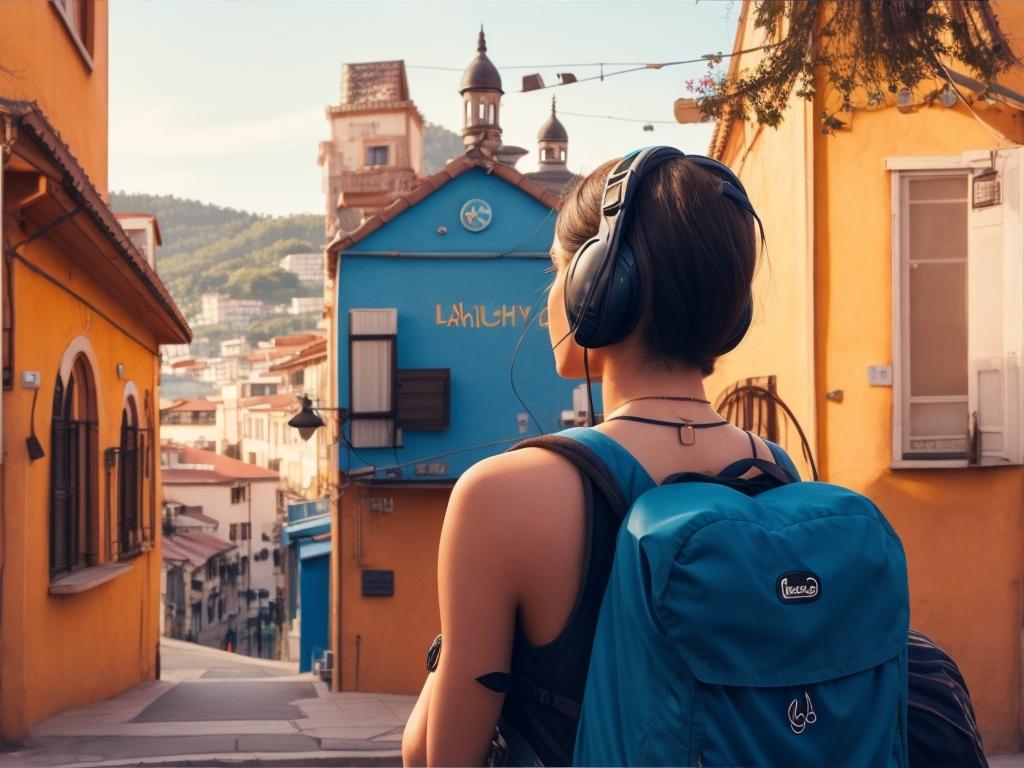
Before you arrive, familiarise yourself with the local area and think through what you would do if plans change. Identify public spaces and landmarks, and keep alternative accommodation options in mind (nearby hostels, hotels, guesthouses, or a trusted contact).
9. Learn local emergency procedures
Save local emergency numbers in your phone (police, ambulance, fire service). If travelling abroad, keep the contact information for your country’s embassy or consulate.
Also identify the closest safe locations: police station, hospital, and (if relevant) embassy or consulate. Knowing these basics can make a huge difference under stress.
.jpg)
10. Secure your belongings
Keep your passport, money, and valuables secure. A small lock, a hidden pouch, or a portable safe can help, depending on the situation.
11. Respect boundaries and set your own
Clear communication helps prevent misunderstandings. If a host has house rules (for example, quiet time in the evening), respect them. If you have habits or needs (for example, smoking, food preferences, alone time, dietary restrictions), communicate them early and clearly so everyone can plan.
.jpg)
.jpg)
12. After your stay, leave feedback
Honest reviews help other volunteers choose wisely and help hosts improve. Positive feedback highlights great experiences, and constructive feedback can correct problems before they affect others.
Always prioritise your safety while volunteering and travelling.
Take precautions, stay alert, and choose people who communicate clearly.
We want to hear from you
Your experiences and insights matter to the whole volunteer community. If you have faced challenges, found solutions, or want to add safety tips we did not mention, share them in the comments or send us a message. Real stories help people make better decisions.
Related read: Safety tips for exploring eco villages and intentional communities









Recent Comments