This page mentions a location that may be affected by armed conflict or rapidly changing security conditions. Before applying or travelling, check official travel advice for your nationality, local authorities, and your insurer. If conditions worsen, consider postponing.
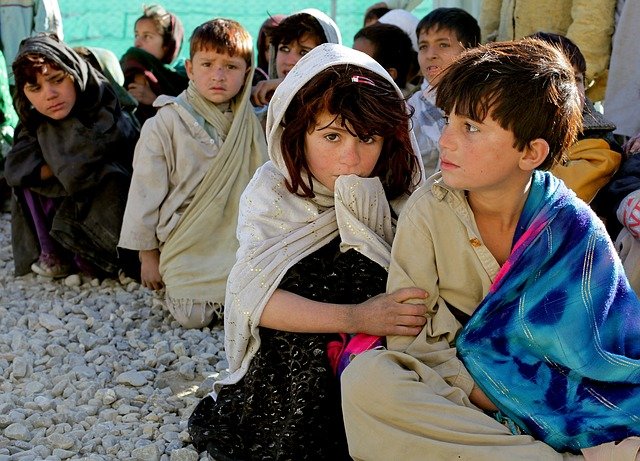
Afghan children continue to face severe challenges across multiple facets of their lives, including education, health, and overall well-being.
The educational landscape for Afghan children, particularly girls, has deteriorated significantly since the Taliban’s return to power in August 2021.
The regime has imposed stringent restrictions on female education, banning girls from attending secondary schools and universities. While some provinces, such as Balkh, Kunduz, Jowzjan, Sar-I-Pul, Faryab, and Daykundi, have defied these bans by allowing girls to attend schools beyond grade six, these instances are exceptions rather than the norm. Efforts to provide alternative educational resources have emerged; for example, the BBC launched “Dars,” an educational program aimed at children aged 11 to 16, including girls barred from formal schooling. This program airs weekly, offering lessons in Dari and Pashto to bridge the educational gap. The health situation for Afghan children is dire, with malnutrition rates alarmingly high.
As of late 2023, approximately 8 million children—nearly one-third of the child population—were projected to face crisis levels of hunger. Undernutrition contributes to 45% of child deaths in the country, with acute malnutrition surpassing emergency thresholds in 27 out of 34 provinces.
Additionally, more than half of Afghan children experience permanent mental and physical damage due to inadequate nutrition during their crucial early years. Afghan children are subjected to various forms of exploitation and abuse. Both girls and boys face early marriage, honor killings, domestic abuse, and sexual violence. Boys, in particular, are at risk of military recruitment into armed conflicts and sexual exploitation. The prevalence of hazardous labor practices, exposure to landmines, and violence at home further exacerbate their vulnerability. The ongoing conflict and instability have led to significant displacement.
Approximately 3.25 million people are internally displaced due to conflict, with over 1 million internally displaced persons (IDPs) returning to their places of origin. Neighboring countries, notably Iran and Pakistan, host around 5.5 million Afghan refugees and individuals in refugee-like situations.
Humanitarian Aid and International Response.
Read the full article 👇🏽