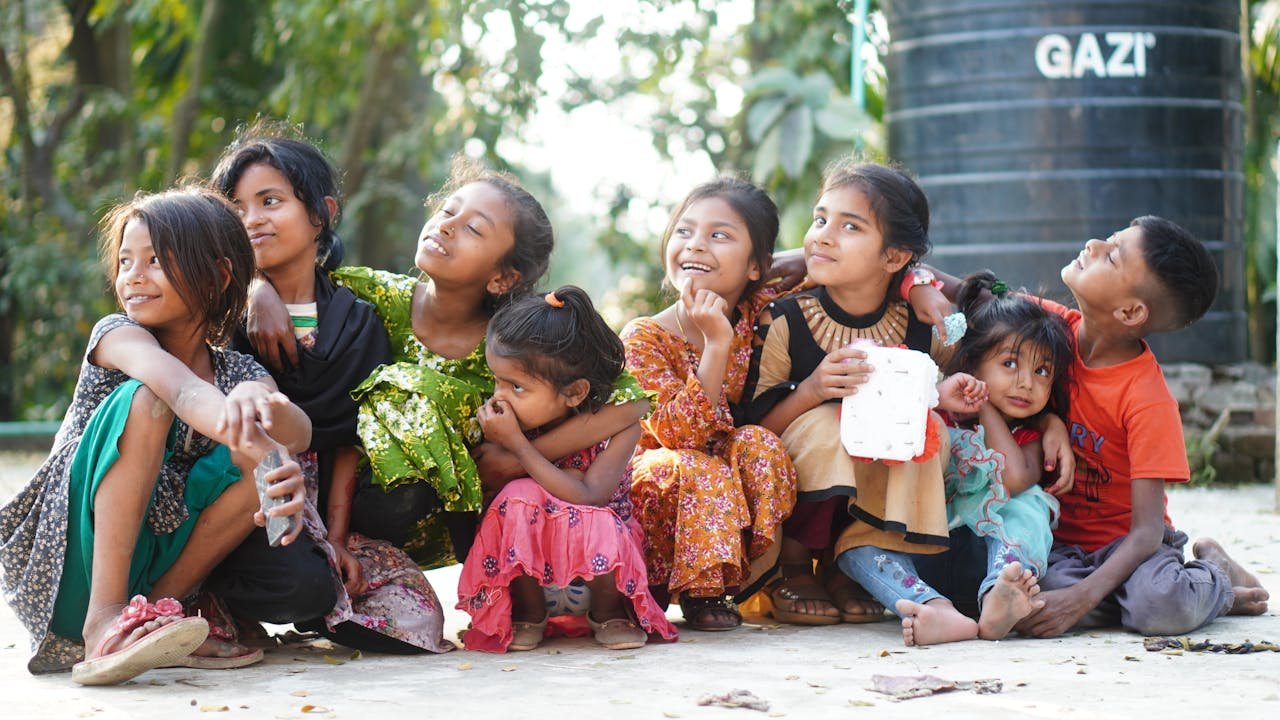
Wanting to help children is human. The tricky part is that “easy access to kids” is also a major safeguarding risk. This page focuses on volunteering with children, safer alternatives that reduce harm, protect children’s privacy, and still let you contribute in a meaningful way.
Many travel programs sell “volunteer with children” as a feel-good experience. But child safeguarding is not a vibe, it is a professional standard. When short stays, weak supervision, and fundraising incentives mix together, children can end up paying the price. Research and policy work in this space has repeatedly flagged orphanage visits and orphanage volunteering as a high-risk area, including risks linked to exploitation and trafficking incentives. If a placement depends on a steady stream of visitors, that is a structural problem, not a small detail.
Why some “volunteer with children” offers are risky
Safeguarding is about preventing harm before it happens. Strong organisations limit unsupervised access, vet adults carefully, train them, and keep children’s identities protected. Weak organisations do the opposite, often without even realising it.
One recurring issue is institutional care tourism (often marketed as “orphanage volunteering”). Multiple child protection and anti trafficking actors have warned that visits and volunteering can create incentives to keep children in institutions, attract donations, and in some contexts, even drive recruitment of children into institutions for profit.
If you want background reading from authoritative organisations, start here:
- UNICEF policy on safeguarding (2025)
- Better Care Network: orphanage tourism and volunteering (2023)
- UK Parliament written evidence: orphanage tourism and trafficking risks
- ECPAT on risks in voluntourism
- UN Guidelines for the Alternative Care of Children (UNGA resolution)
Red flags that should stop you 🚩
- You can work directly with children immediately, with no vetting, checks, or training.
- The program highlights hugging, cuddling, or “being a big sibling” as the main task.
- Short stays are encouraged, especially in residential settings.
- Children’s photos, names, medical stories, or “sad backstories” are used in marketing or fundraising.
- Supervision is vague (“you’ll figure it out”), or there is little permanent, qualified staff.
- You are asked to pay a “donation” specifically to visit children in an institution.
A red flag list can sound like ethical organisations cannot do anything at all. That is not the goal. The point is to shift the centre of gravity from “access to children as an experience” to “education and safeguarding as the priority”. Done well, child focused work is possible, but it must be structured, supervised, and built around children’s rights.
Fundraising is a good example. Individual stories can be powerful, and honest organisations can still use them. The difference is how: protect identity, avoid sensitive details, use real informed consent, and share outcomes without turning a child’s hardship into a sales pitch. Many strong teams use anonymised case studies, composite stories, or program-led storytelling that shows what changed and why it matters.
International visitors can also be positive in the right setting. The risk appears when a project relies on a constant flow of short-term visitors, offers one-to-one “bonding”, or lacks daily supervision. A safer model keeps contact professional: group activities, clear roles that support teachers and local staff, training before any contact, and strict rules on photos and social media. This is exactly what volunteering with children safer alternatives is about: keeping the benefit, cutting the exposure.
What safer child-focused volunteering actually looks like
There are situations where volunteers support child-focused services ethically, but the bar has to be high. Strong safeguarding usually includes: a written safeguarding policy, clear reporting pathways, safer recruitment, reference checks, role boundaries, and supervision. Background checks are common for roles involving contact with children, and organisations should be able to explain how they screen, train, and supervise volunteers.
Examples of resources that describe these standards:
NSPCC on safer recruitment and vetting
UNICEF child safeguarding toolkit
Volunteering with children safer alternatives that reduce risk
Safer alternatives (lower direct contact, higher accountability)
These options are often less “Instagrammable”, and that is exactly why they can be better for children.
Support family-based care and prevention services
Look for organisations that help families stay together (education support, disability inclusion, social work, parenting support, cash assistance, community services). This aligns with the global direction of child protection, which prioritises preventing unnecessary separation.
Work in roles that help child services without direct access to children
Communications, grant support, translation, admin, data entry, monitoring and evaluation support, logistics, stock management, mapping, fundraising events, skills training for staff, website fixes, and impact reporting can be genuinely useful and far easier to safeguard.
Choose community projects not centred on children
Environmental restoration, community gardens, food distribution, adult literacy, migrant support, disability access projects, animal welfare, and disaster risk reduction often have clearer boundaries and less safeguarding complexity for travellers.
If you still want a child-focused placement, keep it professional
Sometimes the right choice is a structured role in a school or youth program with strong supervision and clear boundaries. In that case, aim for settings where you are supporting trained local educators, not replacing them. The job description should read like real work, not “come play with kids”.
Questions to ask before you commit
- Can you share your safeguarding policy and code of conduct?
- What checks are required (ID, references, background checks) and who reviews them?
- What training do volunteers complete before any contact with children?
- What does supervision look like day to day, and who is the safeguarding lead?
- How do you handle photos, social media, and children’s privacy?
- Is this program connected to family support services, not institutional care?
Better ways to use your time and money
If you discover red flags after booking, it is okay to change direction.
You can pivot to a project that does not involve children, or you can travel independently and donate directly to evidence based family support and community services instead. A smaller, safer contribution beats a risky experience every time.
Choosing volunteering with children safer alternatives is about keeping the focus on children’s rights, dignity, and long-term wellbeing, even when that means stepping away from the most emotional option.
One simple rule helps:
If a program sells access to children as the main benefit, walk away.
photo credit: MR Ripon