Tiny homes

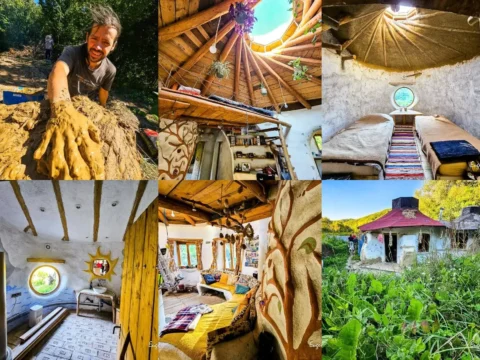
The small house movement, also known as the tiny houseA tiny house is a very small dwelling designed to provide essential living functions within a compact space, sometimes built on wheels. movement, is both an architectural and social movement that encourages people to live in smaller, simpler and more efficient homes.
Tiny homes: small spaces, smart living
Larger houses usually require more money to build, heat, cool, maintain and repair. Tiny homes offer a different approach: they reduce the space we occupy, encourage more intentional living and can help lower the ecological impact of daily life.
A typical tiny home is often around 500 square feet, or about 46 square meters, although many are smaller. The focus is less on size and more on intelligent design, comfort and practical use of space.
Inside a tiny home, every detail matters. Furniture is often multifunctional, storage is carefully planned, and vertical space is used creatively through lofts, shelves, ladders or raised sleeping areas. Many tiny houses also include efficient insulation, natural materials, strategic windows for light and ventilation, and simple systems designed to reduce energy use.
For travellers and volunteers, tiny home projects can be a chance to learn about eco-construction, carpentry, natural buildingNatural building is an approach to construction that emphasises locally available, minimally processed and lower-impact materials and techniques., off-gridOff-grid refers to a place or lifestyle operating partly or fully independently from public utilities, often using its own systems for electricity, water or waste. living and a more minimalist way of life. Some hosts welcome help with building, repairing, decorating or maintaining small homes, while others offer the experience of living in one for a short period of time.
Live in a tiny home or learn how to build one
Explore volunteer exchanges connected to tiny homes, eco-building and small-scale sustainable living.