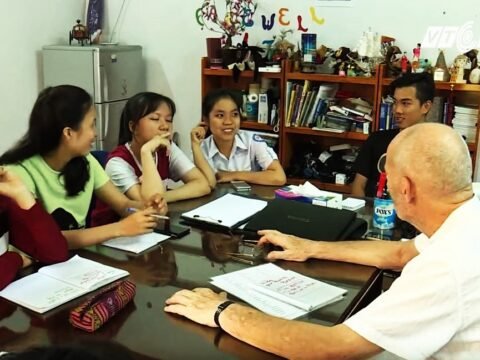
Teaching English abroad 👨🏽🏫🌍

Explore teaching English abroad opportunities in schools, language centres and community projects around the world. These may involve English lessons, classroom assistance, conversation practice or other activities supporting language learners.
Some hosts welcome confident English speakers for supervised activities, while others require qualified or experienced teachers. Opportunities may involve volunteering, accommodation-based exchanges or paid teaching positions, with different responsibilities and conditions.
What does teaching English abroad involve? 👨🏽🏫
English teaching may involve preparing lessons, explaining language concepts and supporting students’ progress. Teaching assistants work alongside educators, helping with classroom activities and learning materials. Other volunteers lead or support organised conversation practice. These roles require different levels of preparation and responsibility. Simply speaking English with a host or other travellers does not necessarily constitute teaching.
English skills and teaching qualifications
Being fluent in English is not the same as being trained to teach it. Some programmes welcome applicants who speak English as an additional language, while others have specific language, teaching experience or qualification requirements.
For formal teaching roles, hosts may request TEFL, TESOL or other recognised qualifications. Check which credentials are accepted and whether training or supervision is provided. For examples, see Cambridge English teaching qualifications.
Volunteering, work exchanges and paid teaching
Confirm whether the arrangement is unpaid volunteering, an exchange involving accommodation or meals, or paid employment. Ask about salaries, allowances, working hours, preparation time, accommodation, meals and any programme fees or deposits. If payment is required, clarify what it covers and the cancellation and refund conditions.
Safeguarding and supporting local teachers
Volunteer teachers should support locally led education rather than unnecessarily replace qualified teaching staff. Ask who plans lessons, provides supervision and ensures continuity for learners after volunteers leave.
For programmes involving children, verify safeguarding policies, screening and background checks, training, supervision and reporting procedures. Volunteers should not receive unsupervised responsibility for children without appropriate professional preparation and authorisation. Respect students’ privacy and the organisation’s rules on photographs and communication. Read more about volunteering with children and safer alternatives.
How to use this page
Check the publication date and confirm current availability, students’ age groups, actual duties, required qualifications, teaching hours, days off, supervision, accommodation, meals, minimum stay and any fees or other costs directly with the host.
Before travelling, verify the applicable visa or work permit requirements and confirm that your insurance covers the planned activities. Unpaid teaching may still be subject to employment and immigration rules. See our guides to visas for volunteering abroad and safety and legality.
Voluntouring.org promotes opportunities for adults aged 18 and over. Publication does not constitute verification or endorsement of a school, employer or teaching programme.
Related opportunities: Teaching · Teaching assistant · TEFL and TESOL · Language exchange · Job offers
Last reviewed: October 2026.
Browse teaching English abroad opportunities 👨🏽🏫🌍
Browse the listings below for English teaching, classroom support and organised language practice opportunities. Use the “Older Posts” navigation to explore previous announcements. Some older programmes may have expired or changed their requirements, so confirm current details before applying.
Do you represent a school, language centre or community project looking for adult volunteers to teach or support English-language learning? You can submit your opportunity to Voluntouring.org for editorial review.