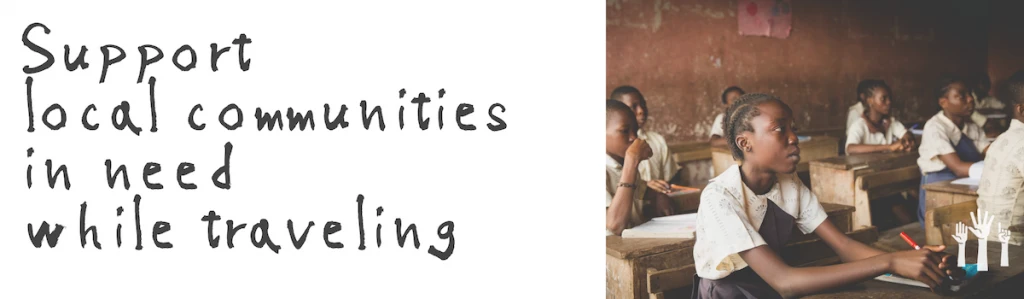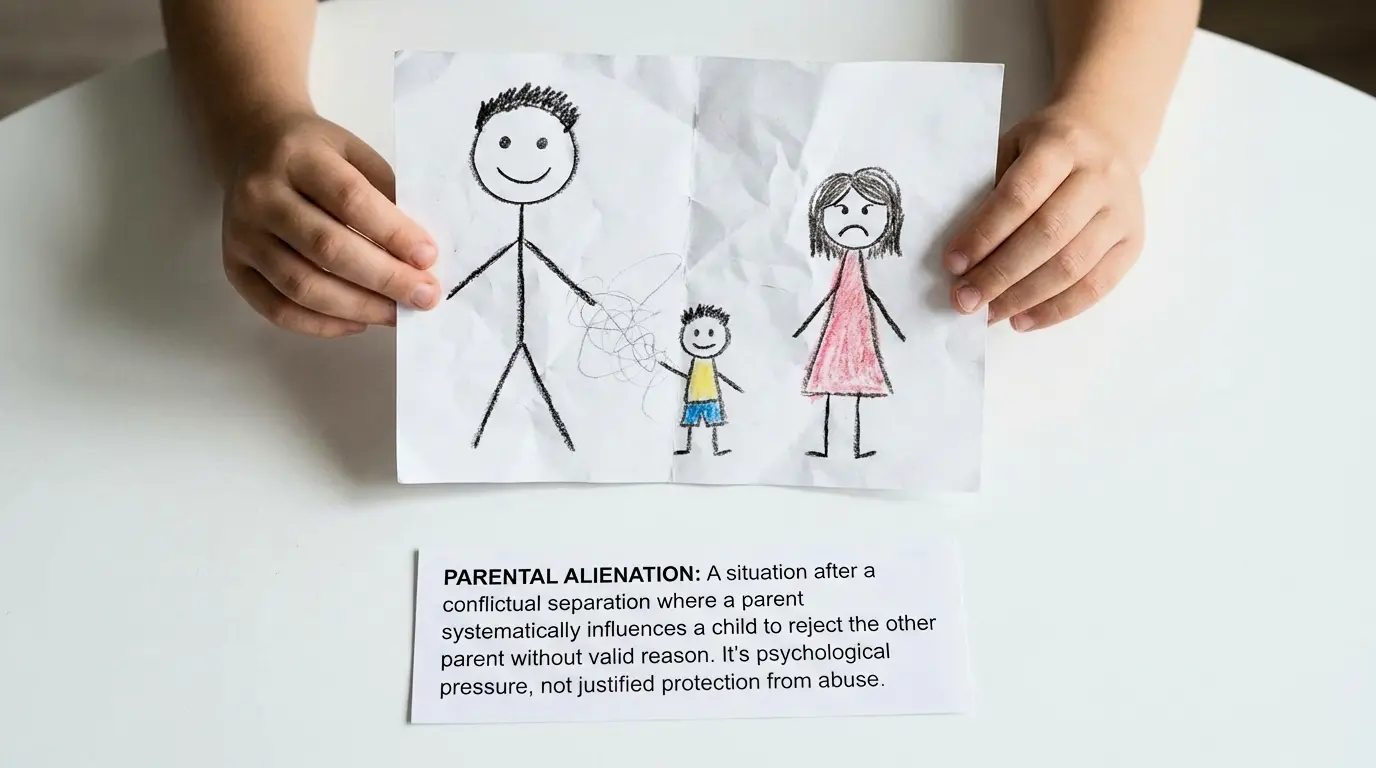
This image is used to explain a complex topic in a simple way: parental alienation.
In many high-conflict separations, a child’s bond with one parent can gradually weaken, sometimes turning into outright rejection. In some cases, this rejection stems from concrete and painful experiences such as violence, fear, or neglect. In other situations, it develops over time because the child is exposed to emotional pressure, demeaning messages, or distorted narratives that push them to take sides. It is in these circumstances that people commonly speak of “parental alienation”.
Note:
This topic is widely debated, especially when it is turned into rigid labels or automatic “diagnoses”.
The American Psychological Association has stated that it does not hold an official position on “Parental Alienation Syndrome” and has warned about the risk of these concepts being misused in child custody cases. At the same time, the APA Dictionary describes “parental alienation syndrome” as the experience of a child being manipulated by one parent to reject the other.
In Italy, case law also urges caution: assessments should remain grounded in observable behaviours and concrete facts, without automatically assigning blame based on controversial clinical labels.
What is parental alienation?
Parental alienation is a situation that can arise after a highly conflictual separation or divorce, in which one parent systematically influences a child to reject, fear, or despise the other parent, without valid reasons related to abuse or maltreatment.
In practice, the child is pushed, often subtly and continuously, to take sides. Devaluing remarks, insinuations, distorted stories, or making the child feel guilty for showing affection toward the other parent can, over time, lead to an increasingly entrenched rejection. The key point is that this rejection does not stem from the child’s direct experience, but from psychological pressure exerted by an adult.
It is essential to distinguish parental alienation from situations in which a child distances themselves from a parent for concrete and well-documented reasons, such as violence, neglect, or genuinely harmful behaviour. In those cases, the issue is not alienation, but protection.
From a scientific and legal perspective, the topic remains contested. The term Parental Alienation Syndrome (PAS) is not recognised as an official clinical diagnosis in major international diagnostic manuals. However, the dynamics of induced rejection and emotional manipulation of children are widely studied in psychology and are taken into account by courts, particularly in child custody proceedings.
The consequences for children can be serious, including relational difficulties, problems with trust, feelings of guilt, anxiety, and a distorted understanding of emotional bonds that may persist into adulthood.
Volunteer opportunities related to child wellbeing and family conflict
Several types of volunteer opportunities connect quite naturally to the topic of parental alienation, even if they do not use that label explicitly. Most projects focus on prevention, child wellbeing, or support in high-conflict family contexts.
One common area is family support and child advocacy. Many NGOs and community organisations work with children affected by separation, divorce, or family conflict. Volunteers may help with after-school activities, mentoring, supervised visits, or safe recreational spaces where children can build trust and emotional stability. These roles do not involve taking sides in family disputes, but they do support children who may be experiencing emotional pressure or loyalty conflicts.
Another closely related field is mediation and conflict resolution support. Some organisations train volunteers to assist professional mediators, facilitate dialogue workshops, or support parents in learning non-violent communication. While volunteers do not replace professionals, they often help create neutral, calmer environments where communication can happen without escalating blame or manipulation.
There are also opportunities in mental health and emotional support projects, especially those focused on parenting, childhood trauma, or relational wellbeing. Volunteers might assist psychologists or counsellors in group activities, helplines, or awareness campaigns. These projects often emphasise recognising emotional manipulation, promoting healthy attachment, and protecting children’s autonomy.
Educational and awareness initiatives are another strong match. Some nonprofits work on public education around children’s rights, healthy parenting after separation, and the risks of instrumentalising children in adult conflicts. Volunteers may help with content creation, workshops, translations, or community outreach, especially in international or multilingual contexts.
Finally, legal and child-rights organisations sometimes accept volunteers to support research, documentation, or advocacy work. These roles focus on safeguarding the child’s best interests in custody systems, rather than promoting any controversial diagnosis. Tasks are often research-based or administrative but closely linked to the broader debate around parental alienation and misuse of psychological labels.