Uganda volunteer projects give travellers the chance to support local communities while learning from a rich and diverse culture.
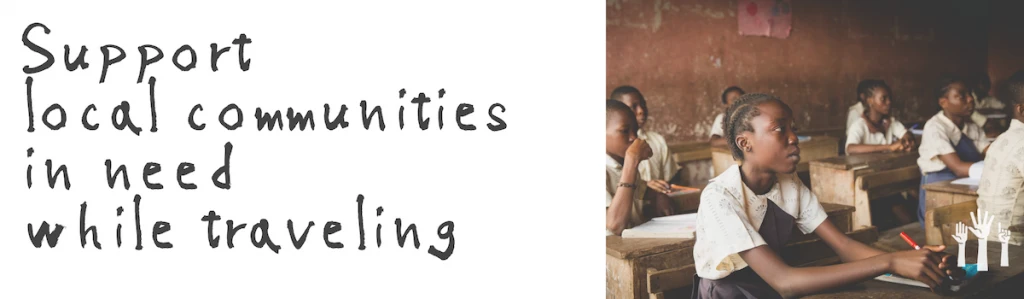
Many Uganda volunteer projects focus on education, where volunteers help in schools, community centres or after-school clubs. Simple activities such as reading with children, helping with homework or supporting teachers in English and basic computer skills can make a real difference in rural areas.
There are also Uganda volunteer projects connected to health and community development. Volunteers may assist local NGOs with awareness campaigns about hygiene, nutrition or malaria prevention, help organize workshops, or support women’s and youth groups. These activities are usually guided by local staff, so international volunteers work alongside Ugandans and follow local priorities.
Nature lovers can look for projects that protect wildlife and the environment. In some areas, volunteers help plant trees, support sustainable farming initiatives, or assist in eco-tourism and conservation education around national parks.
Responsible projects respect animals and do not promote direct contact with wildlife.
Before choosing any Uganda volunteer project, it is important to research the organisation, ask clear questions about fees, daily tasks and working hours, and check how the project benefits local people in the long term. Ethical volunteering in Uganda should be community-led, transparent and focused on mutual learning for both hosts and volunteers.
Find volunteer projects in Uganda 🇺🇬
The Ugandan flag
The flag of Uganda has six horizontal stripes in the order black, yellow, red, black, yellow, red. Black represents the people of Uganda, yellow stands for the tropical sunshine, and red symbolizes the bond of brotherhood and the blood that unites all Africans. In the centre there is a white circle with a grey crowned crane. This elegant bird has been a national symbol since colonial times because it is gentle, dignified and rarely aggressive. The raised leg of the crane suggests that the nation is moving forward.
Adoption: Uganda adopted this flag on 9 October 1962, the day it gained independence from the United Kingdom. The design was created by the Uganda People’s Congress and became the official national flag at independence.
The combination of black, yellow and red links Uganda to the wider Pan-African colours, showing solidarity with other African nations that struggled for independence and self-determination.