Long-term travel 🎒🌍
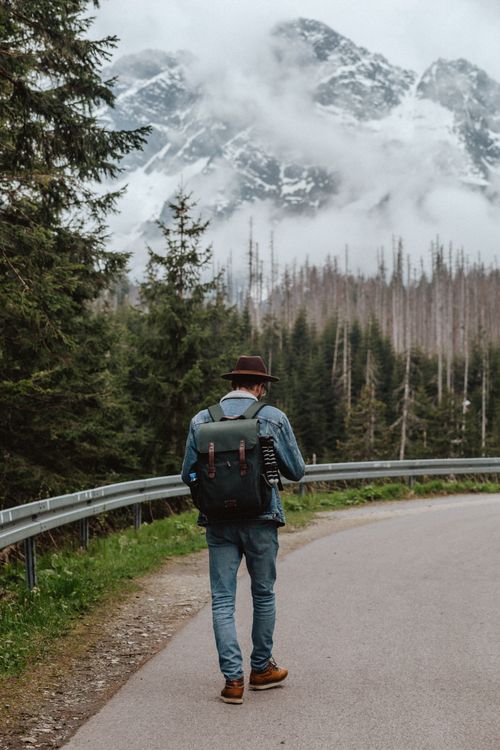
Photo: Pavel Danilyuk / Pexels
Explore long-term travel stories, guides, resources and volunteering ideas for people planning to spend weeks, months or longer travelling away from home.
Long-term travel can involve backpacking, volunteering, work exchange, hospitality exchange, house sitting, seasonal work, walking or cycling journeys, van travel and periods of living more slowly in different places.
There is no universal amount of time that turns an ordinary trip into long-term travel. On Voluntouring, this section is mainly used when the extended duration of a journey becomes an important part of the experience, planning or story.
Some articles in this archive are several years old and may contain information about platforms, prices, visas or travel conditions that has since changed. Always check publication and update dates before relying on time-sensitive information.
What long-term travel means on Voluntouring
We use this section for journeys where travelling for an extended period meaningfully affects accommodation, finances, work or volunteering, transport, visas, daily routines or lifestyle. A normal short holiday does not become long-term travel simply because it appears in a travel article.
What is long-term travel?
Long-term travel generally means spending an extended period away from your usual home while continuing to move between places or temporarily living in different destinations.
For one person this might mean six weeks travelling through several countries. For another it might mean a year combining volunteering, temporary work, housesitting and independent travel.
The important difference from a short holiday is often practical rather than numerical. Longer journeys require travellers to think more carefully about money, accommodation, healthcare, visas, insurance, work, communication and the ability to change plans over time.
Long-term travel and volunteering
Volunteering and work exchange can become part of a long journey by allowing travellers to stay in one place for longer periods and participate in the everyday life of a farm, community, NGO, hostel, household or other project.
A longer stay can sometimes provide more time to understand a project and contribute consistently than a very short placement. Duration alone, however, does not guarantee that a volunteer programme is useful, responsible or fair.
Before accepting an opportunity, check the actual activities, weekly hours, days off, accommodation, meals, fees, supervision and expectations.
For opportunities specifically based on exchanging time and practical help for accommodation or other benefits, explore work exchange volunteering.
Long-term travel and slow travel
Long-term travel and slow travel frequently overlap, but they are not identical.
Long-term travel mainly describes the extended duration of a journey. Slow travel focuses more on pace, spending meaningful time in places and avoiding the pressure to move constantly between destinations.
A traveller could spend a year moving rapidly from city to city and still be travelling long-term. Another person might spend only six weeks walking one route very slowly.
Explore related stories and resources in the slow travel section.
Long-term travel and alternative travel
Extended journeys often encourage people to experiment with different forms of transport and accommodation.
Travellers may combine trains, buses, hitchhiking, walking, cycling, camper travel, hospitality exchange, volunteering or other arrangements instead of following a conventional holiday itinerary.
These approaches can also be explored through the alternative travel section.
Planning a long journey
Long-term travel usually requires more flexibility than planning a short holiday. It can be useful to organise the essentials while leaving enough room for changes in route, accommodation and timing.
Before leaving, consider:
- how long you can realistically travel;
- your available budget and emergency reserve;
- passport validity and visa requirements;
- travel or health insurance;
- access to money and backup payment methods;
- medication and healthcare needs;
- phone and internet access;
- where important documents are stored;
- how you would return home unexpectedly;
- how much luggage you actually need.
A flexible itinerary can be useful, but flexibility works best when you still have enough financial and practical independence to change plans safely.
Budgeting for long-term travel
Small daily expenses become significant over several months, so long-term travellers often think differently about accommodation, food and transport.
Travelling more slowly can reduce repeated transport costs. Cooking, staying longer in one place and using appropriate hospitality or work-exchange arrangements can also reduce expenses.
However, reducing costs should not mean becoming financially dependent on strangers or hosts. Try to keep an emergency reserve for unexpected accommodation, transport, healthcare, documents or an early return home.
Voluntouring has a separate guide about travelling with very little money, including work exchange, hospitality networks and other low-cost approaches.
Accommodation during a long journey
Long-term travellers rarely use only one type of accommodation. A journey may combine hostels, guesthouses, volunteer placements, rented rooms, housesitting, hospitality exchange, camping and stays with friends or communities.
Changing accommodation models can make a long journey more affordable, but every arrangement has different responsibilities and limitations.
For example, housesitting may reduce accommodation costs but require regular responsibility for pets or a property. Work exchange requires agreed help. Hospitality exchange depends on trust and the willingness of another person to host you.
For additional ideas, read Voluntouring’s guide to free and alternative accommodation websites.
Working while travelling
Some people finance longer journeys by alternating periods of travel with legal paid work.
Depending on the destination and your immigration status, this might include seasonal hospitality, agriculture, tourism or other temporary employment.
Do not assume that informal or short-term work is automatically legal because you are travelling. Check whether you have the right to work and clarify salary, hours, accommodation deductions, taxes and employment conditions before accepting a position.
You can also browse seasonal job opportunities published on Voluntouring.
Remote work and long-term travel
Some travellers support themselves through remote employment or freelance work while moving between destinations.
Working online can provide flexibility, but it introduces additional questions concerning tax residence, immigration status, reliable internet, working hours and the difference between travelling temporarily and establishing residence somewhere.
A tourist entry status should not automatically be assumed to permit remote work. Rules vary between countries and some destinations provide specific digital nomad or remote-work visas.
Visas and immigration
Visa planning becomes particularly important during long journeys because entry limits, maximum stays and permitted activities vary between countries.
Travellers combining tourism with volunteering, work exchange or employment should check the rules for each activity rather than assuming that all unpaid activity is permitted under tourist status.
Border runs, repeated visa-free entries and old advice from other travellers should not be treated as guarantees that immigration authorities will permit the same arrangement today.
For more information, read Voluntouring’s guide to visas for volunteering and work exchanges.
Insurance and healthcare
Healthcare planning becomes more important as the duration of a journey increases. An accident, illness or unexpected treatment can be considerably more disruptive when you are months away from home.
Check what healthcare you can access in the destinations you plan to visit and consider appropriate insurance for the duration and activities of your trip.
Make sure any policy you choose covers the countries and activities involved, particularly if you plan to volunteer, perform physical work, ride animals, use motorcycles, trek at altitude or participate in other activities that may have exclusions.
Travelling with fewer possessions
Carrying too much becomes increasingly inconvenient when you change accommodation repeatedly over several months.
Long-term travellers often benefit from packing for normal everyday life rather than trying to prepare for every possible situation.
Items can usually be replaced, repaired or purchased along the way. Documents, necessary medication and specialised equipment deserve more careful planning than ordinary clothing or toiletries.
Staying connected
A long journey can involve repeated changes of SIM cards, internet connections and time zones.
Think about how you will access banking, authentication codes, important accounts and emergency contacts if your phone is lost or stops working.
Digital travel diaries can also be useful for recording longer journeys. Voluntouring has compared PolarSteps and FindPenguins for travellers who want to document their routes over time.
Long-term travel is not permanent escape
Travelling for months or years can be rewarding, but it still involves ordinary responsibilities, uncertainty and periods when the experience is tiring rather than exciting.
There may be days spent doing laundry, dealing with bureaucracy, recovering from illness, working online, waiting for transport or simply needing rest.
A realistic approach to long-term travel leaves room for routines, breaks and changes of plan rather than treating constant movement as an objective in itself.
Responsible long-term travel
Travelling for longer can create opportunities for deeper relationships with places and people, but duration alone does not make a journey responsible.
Consider how your accommodation, transport, volunteering, work and spending affect hosts and local communities. Respect local rules and avoid treating hospitality, volunteering or low local prices as resources that exist primarily to make your own trip cheaper.
Explore related articles in the responsible travel section.
Safety and independence
Plans sometimes fail during a long trip. A host may cancel, transport may stop, a job may not work out or an area may become unsuitable for travel.
Try to maintain enough independence to leave an arrangement when necessary. This can include:
- an emergency financial reserve;
- access to your own documents;
- a working phone and backup access to important accounts;
- alternative accommodation options;
- appropriate insurance;
- a way to reach transport independently;
- trusted people who know where you are when appropriate.
Do not remain in an unsafe, unfair or uncomfortable situation simply because leaving would disrupt the rest of your journey.
How to use this section
Browse the articles, stories and resources below for practical ideas and different perspectives on extended travel.
Pay particular attention to publication dates when articles discuss:
- visa rules;
- travel platforms;
- membership prices;
- transport passes;
- insurance;
- border conditions;
- work opportunities;
- safety and travel advisories.
Follow current official information when making legal, immigration, healthcare or safety decisions rather than relying only on an older travel article.
For broader guidance, read Voluntouring’s information about safety and legality in volunteering and work exchanges.
Related sections
Important: visa rules, travel conditions, platform prices, work opportunities and other practical information can change. Check current sources before making travel, legal or financial decisions.
Last reviewed: September 2026.
Explore long-term travel stories and resources 🎒🌍
Browse the articles and stories below and use the “Older Posts” navigation to continue exploring the archive.
Have you travelled for several months or longer while volunteering, working, walking, cycling or experimenting with another way of living on the road? You can share your experience with Voluntouring.org for editorial review.