Alternative travel 🎒🛣️
.jpg)
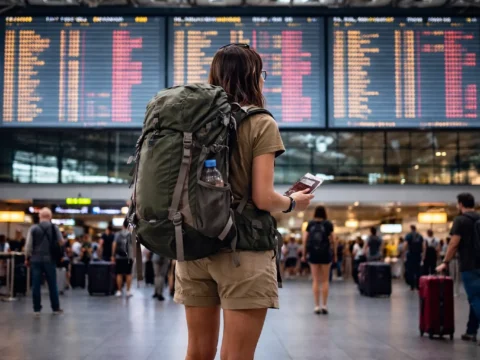
Photo: Seth Doyle / Wikimedia Commons, CC0.
Explore alternative travel stories, ideas, resources and opportunities for people interested in travelling beyond conventional package tourism.
Alternative travel can include hitchhiking, long-distance walking or cycling, van travel, hospitality exchange, volunteering, work exchangeA work exchange is an arrangement in which a traveller contributes an agreed amount of help to a host in return for benefits such as accommodation, meals or learning opportunities. Conditions vary by host., community stays and other independent ways of moving through the world and connecting with people and places.
There is no single definition or correct way to be an alternative traveller. What these approaches often share is a willingness to organise a journey differently, spend more time outside conventional tourist environments and rely less on standard packaged travel.
This section includes both practical travel resources and stories from people experimenting with different ways of travelling. Some articles are time-sensitive, so always check publication dates, current transport conditions, local laws and official travel information before acting on older advice.
What alternative travel means on Voluntouring
We use this section for unconventional or independent ways of travelling, staying and moving between places. Alternative does not automatically mean cheaper, safer, more sustainable or more responsible. Each travel choice still needs to be evaluated on its own terms.
What is alternative travel?
Alternative travel is a broad term for approaches to travelling that differ from conventional packaged holidays or highly standardised tourism.
For some travellers, this means travelling overland rather than flying between destinations. For others, it means hitchhiking, cycling, walking long-distance routes, travelling by campervan, using hospitality exchange or spending longer periods living with hosts and communities.
Volunteering and work exchange can also become part of an alternative journey when they allow travellers to stop for longer periods, participate in everyday life and learn about a place beyond short tourist visits.
Different forms of alternative travel
This section may include articles and opportunities related to:
- hitchhiking and ridesharing culture;
- long-distance walking and hiking journeys;
- cycling and bicycle touring;
- van and camper travel;
- overland travel by train, bus or other surface transport;
- hospitality exchange and staying with local hosts;
- work exchange and volunteering while travelling;
- community stays and unusual accommodation;
- low-budget and independent travel;
- long-term and nomadic journeys;
- alternative travel communities and gatherings;
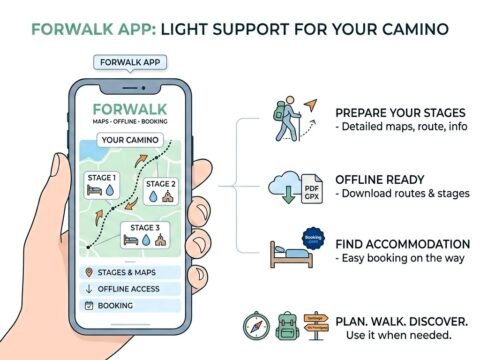
- apps, maps and resources useful to independent travellers.
Not every article needs to involve all of these elements. Alternative travel is an umbrella category connecting several different ways of experiencing a journey.
Alternative travel and volunteering
Volunteering and work exchange often overlap with alternative travel because they can allow people to stay somewhere longer and participate in the daily life of a project, farm, community, hostel or household.
A work exchange normally involves an agreed amount of help in return for accommodation and sometimes food or other benefits. Volunteering with an NGO or community initiative may follow a different model.
Neither arrangement should be treated simply as a way to obtain free tourism. Hosts provide time, accommodation, supervision and other resources, while participants should understand what contribution is expected from them.
For opportunities specifically based on this arrangement, visit work exchange volunteering.
Alternative travel is not necessarily slow travel
Alternative travel and slow travel often overlap, but they describe different things.
Alternative travel mainly describes a different way of organising or experiencing a journey. Slow travel is more concerned with pace, spending longer in places and reducing the pressure to see as much as possible in a short period.
Someone travelling for several months by train, bicycle and work exchange may fit both categories. Someone hitchhiking rapidly across several countries may clearly be an alternative traveller without necessarily travelling slowly.
Explore more in the slow travel section.
Alternative travel and alternative living
Alternative travel should also be distinguished from alternative living.
Vanlife, intentional communitiesAn intentional community is a group of people who deliberately choose to live or organise together around shared values, goals or practices. It may or may not be an ecovillage., tiny housesA tiny house is a very small dwelling designed to provide essential living functions within a compact space, sometimes built on wheels., off-gridOff-grid refers to a place or lifestyle operating partly or fully independently from public utilities, often using its own systems for electricity, water or waste. living and other lifestyles can become part of a journey, but the Alternative living section focuses more broadly on different ways of organising everyday life.
Alternative travel focuses primarily on the journey itself, including how people move, where they stay and how they connect different destinations and experiences.
Alternative does not automatically mean responsible
Choosing an unconventional way to travel does not automatically make a journey environmentally or socially responsible.
A backpacker can still create environmental pressure, disrespect local communities or participate in exploitative activities. At the same time, conventional accommodation or transport can sometimes be operated responsibly and provide meaningful local economic benefits.
Responsible travel is therefore better understood as a question of impact, behaviour and relationships rather than simply the style of travel chosen.
For more on this distinction, explore responsible travel.
Travelling on a low budget
Many alternative travellers try to reduce accommodation and transport costs through hospitality exchange, volunteering, work exchange, walking, cycling or other approaches.
Travelling cheaply does not mean expecting other people to finance your journey. Hosts also have expenses, and hospitality depends on respect and reciprocity.
Even travellers using mostly free accommodation or transport should try to maintain enough money for emergencies, documents, food, medical needs, communication and an alternative place to stay if plans change.
Voluntouring has a separate guide about travelling with little or almost no money that discusses these limits more realistically.
Hospitality exchange and community stays
Staying with local people, community projects or informal hospitality networks can create very different experiences from conventional tourist accommodation.
These arrangements depend heavily on trust, communication and boundaries. Ask clearly what the host expects, how long you can stay, what facilities are available and whether any help, contribution or shared costs are involved.
Free accommodation should not be treated as an entitlement. A respectful guest contributes to the relationship in an appropriate way and remains prepared to find alternative accommodation if an arrangement does not work out.
Hitchhiking and informal transport
Hitchhiking remains part of alternative travel culture in many regions and is closely connected with independent, low-budget and long-term travel.
It also involves risks that vary according to country, road, weather, local law and individual circumstances.
Travellers should research local conditions, choose waiting locations carefully, avoid situations they are uncomfortable with and maintain another way of reaching their destination where possible.
For practical information, read Voluntouring’s hitchhiking safety guide.
Walking and cycling journeys
Walking and cycling can fundamentally change the scale of a journey. Travellers experience distances gradually, pass through smaller communities and often encounter places that would be bypassed by faster transport.
These forms of travel still require realistic planning. Weather, traffic, road conditions, water, accommodation, physical fitness and access to emergency assistance all matter.
Route-planning tools can be useful, but digital information should be checked against current conditions and local advice where necessary.
Van and camper travel
Travelling by van or camper offers mobility and a degree of independence, but it does not mean that travellers can legally park, camp or sleep anywhere.
Rules concerning overnight parking, wild camping, waste disposal and access to protected areas vary between countries and municipalities.
Responsible van travel also means managing water, waste and overnight stops without placing unnecessary pressure on local residents or natural areas.
Long-term and nomadic travel
Some alternative travellers remain on the road for months or years, combining temporary work, volunteering, hospitality exchange, personal projects and periods of independent travel.
Long journeys require more than finding cheap accommodation. Visas, insurance, taxation, employment rules, healthcare, finances and residency requirements can become increasingly important when someone spends extended periods abroad.
Related stories and practical resources can be found in the long-term travel section.
Safety and a backup plan
Alternative forms of travel sometimes depend on informal arrangements, spontaneous transport or hosts who are not part of conventional tourism infrastructure.
This can be rewarding, but it makes preparation particularly important.
Consider keeping:
- an emergency fund;
- a working phone and backup charging option;
- copies of important travel documents;
- appropriate travel or health insurance;
- an alternative accommodation option;
- a realistic way to leave a host or location independently;
- someone informed about your route when appropriate.
Do not remain in an arrangement simply because leaving would disrupt a low-budget travel plan.
Visas, work and local rules
Alternative ways of travelling are still subject to immigration, labour, traffic, camping and other local laws.
Tourist entry does not automatically authorise paid work, volunteering or work exchange. The legal position depends on the destination, nationality, host and activities involved.
Before travelling, check current requirements through official sources rather than relying only on travel blogs, social media posts or experiences reported by other travellers.
For broader guidance, read Voluntouring’s information about safety and legality in volunteering and work exchanges.
How to use this section
Browse the articles and opportunities below for ideas, travel stories, practical tools and different approaches to independent travel.
Some posts discuss current apps, prices, events, routes or travel conditions. Always check the publication and update dates because this information can change.
When an article refers to a particular platform, event, route or organisation, follow the current official source before paying, applying or making travel plans.
Publication on Voluntouring.org does not in itself constitute endorsement of a travel platform, host, transport method or organisation.
Related sections
Important: transport options, platform conditions, accommodation arrangements, border rules and safety conditions can change. Check current information before making travel or financial commitments.
Last reviewed: September 2026.
Explore alternative travel stories and ideas 🎒🛣️
Browse the articles, resources and selected opportunities below and use the “Older Posts” navigation if available to continue exploring the archive.
Are you a long-term or alternative traveller with an experience, route or story that could help other readers? You can share your journey with Voluntouring.org for editorial review.