Hitchhiking can be a thrilling way to explore new places and meet interesting people. In fact, many voluntourists often reach farms or organizational sites using this method. However, safety should always come first. To make sure your journey is a safe one, we’ve compiled a list of essential hitchhike tips for travellers. Let’s dive in!
Editorial safety note
Hitchhiking laws and road restrictions vary by country and location. Before travelling, check the rules and official travel advice for each destination, choose only places where a vehicle can stop safely and learn the local emergency number. In the European Union, 112 is the free emergency number. Community advice can be useful, but it does not replace local law, official guidance or personal judgement.
1. Rule number one: patience is key
When diving into the world of hitchhiking, one of the biggest hitchhike tips to remember is the value of patience.

Unlike catching a bus or train that runs on a schedule, hitchhiking is unpredictable.
Sometimes, you might get a ride within minutes, while other times, you might wait for hours before a willing driver stops. Various factors, such as your location, the weather, or even the time of day, can affect how long you wait. Feeling frustrated or desperate can sometimes give off an uncomfortable vibe to potential drivers, making them hesitant to stop. Staying patient and keeping a positive attitude not only increases your chances of getting a ride but also ensures that when you do get picked up, it’s on a positive note. Remember, every moment of waiting is part of the hitchhiking experience, and patience can lead to some of the most memorable journeys.
2. Research laws and regulations
Before sticking out your thumb, make sure you know the local laws about hitchhiking.
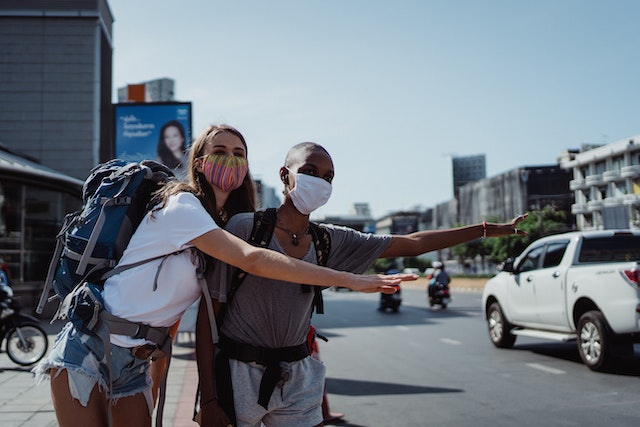
Some places ban it completely, while others have specific rules about where you can and can’t stand. Check current legislation and road signs for every destination before you travel.
3. Choose a safe spot
Stand where drivers can see you clearly and have enough space to stop safely. Avoid motorway traffic lanes, sharp bends, hilltops and any place where stopping is prohibited or unsafe. Rules vary by country and road type, so check the local regulations rather than relying on a general rule.

4. Making a sign or not making a sign?
One common question among hitchhikers is whether to use a destination sign or not.

A well-made sign can quickly convey to drivers where you’re headed, making it easier for those going in the same direction to decide on the spot if they can help. It also shows you’ve put in some effort, which can make you appear more genuine and less spontaneous. On the flip side, not using a sign provides flexibility.

A driver who might not be going to your exact destination but is travelling a significant distance in the right direction might still stop. Without a sign, you’re open to more possibilities and might even end up on an unexpected, pleasant detour. In essence, whether to use a sign depends on your hitchhiking style and goals: for a targeted approach, a sign can be useful, but if you’re open to adventure, going without one might be the right choice.
5. Stay visible!
Wear bright or reflective clothing. This not only helps drivers see you during the day but also makes you more visible at dusk or in bad weather.
6. Travel light
A small backpack is easier to manage than several bags. It’s also less likely to make drivers suspicious or worried about taking you on.
7. Hydration: a hitchhiker’s must-have
Staying hydrated is essential for any traveller, especially hitchhikers. As you wait by the road, exposed to various weather conditions, it’s easy to underestimate how much water you’re losing. Always carry a refillable water bottle and take regular sips, even if you’re not feeling thirsty. Proper hydration keeps your energy up, your mind clear, and ensures you’re in the best shape for your journey.
8. Stay sober
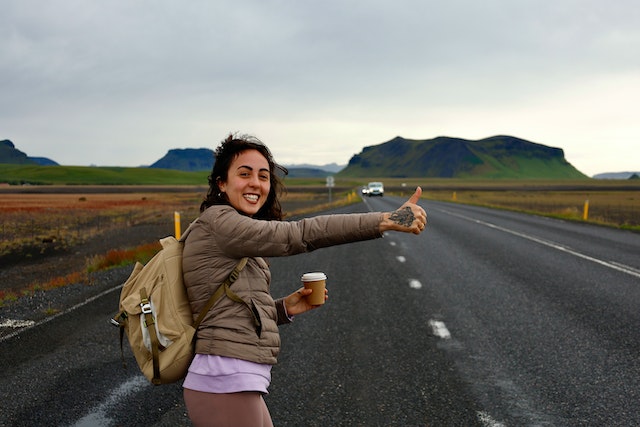
Hitchhiking requires quick decisions and a clear mind. Avoid drugs and alcohol.

9. Always trust your gut
If a vehicle stops and something feels off about the driver or the situation, it’s okay to decline the ride.
10. Let someone know
Always tell someone your plans, including where you’re going and when you expect to arrive. When it is safe to do so, share your live location and the vehicle’s registration number with a trusted person.

11. Avoid hitchhiking at night
Not only is it harder for drivers to see you, but it’s also riskier in terms of personal safety.

12. Stay connected
Keep a fully charged cell phone with you and consider carrying a portable charger. Save the local emergency number before travelling. Within the European Union, 112 can be called free of charge from fixed and mobile phones.

13. Note the car details
Before getting in, try to take a quick picture of the car’s licence plate or note it down, then share it with a trusted person when it is safe to do so.

14. Stay in public areas
If the driver needs to make a stop, always choose to wait in public areas. Avoid going to secluded places or the driver’s home.

15. Know how to exit
Agree on the destination before getting in. Keep your phone, documents and essential belongings with you rather than in the boot. If you want to end the ride, ask to be let out at a safe, public place.
16. Hitchhiking with your four-legged companion
Having a pet by your side can be a game-changer. Their undeniable charm might just be the ticket to quicker rides. After all, who can resist those innocent eyes and wagging tails? However, not all drivers are keen on pets. Some might be concerned about potential allergies or their car’s cleanliness.
Hence, preparation is key.
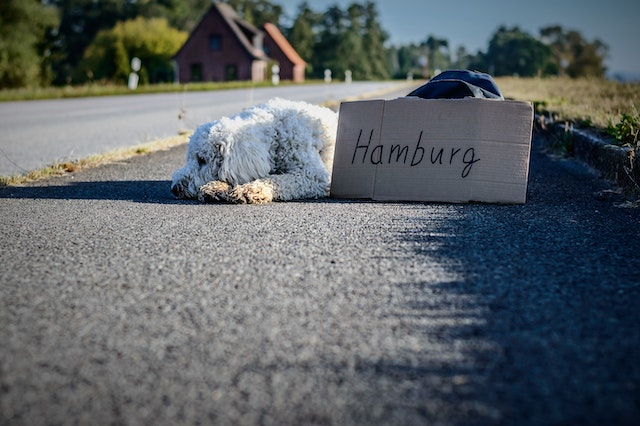
Ensure your pet is accustomed to long car journeys and remains calm around strangers.
Don’t forget to pack the basics: food, water, a leash, and, of course, waste bags (because even pets can’t hold it in forever). Keep an eye on the weather, too. If it seems too extreme, it might be best to delay your journey. After all, your pet’s comfort should always come first.
With the right preparation and a dash of patience, hitchhiking with your pet can be a memorable experience. Safe travels! 🐱🚘🐶
Hitchhike tips: recommended links
Remember, a hitchhiking experience can be super positive and exciting, but it’s crucial to prioritize your safety above all else. With these hitchhike tips in mind, you’ll be better prepared to navigate the roads and have a memorable journey. Safe travels!
Still have questions? You can exchange experiences with hitchhiking communities on Facebook. Remember that community advice is personal and may not reflect current local laws or official safety guidance.
If you aren’t on Facebook, you can also explore the Hitchhikers circle on Trustroots.
Share your roadside tales!
We’d love to hear from you! Dive into the comments section below and share your hitchhiking stories, nuggets of wisdom, or any suggestions you might have. Your experiences can inspire and guide fellow travellers on their hitchhiking journeys. So, what’s your story?
Go back to the blog section or write an article ✍️😊 📝