Birds 🦉🦅🐦
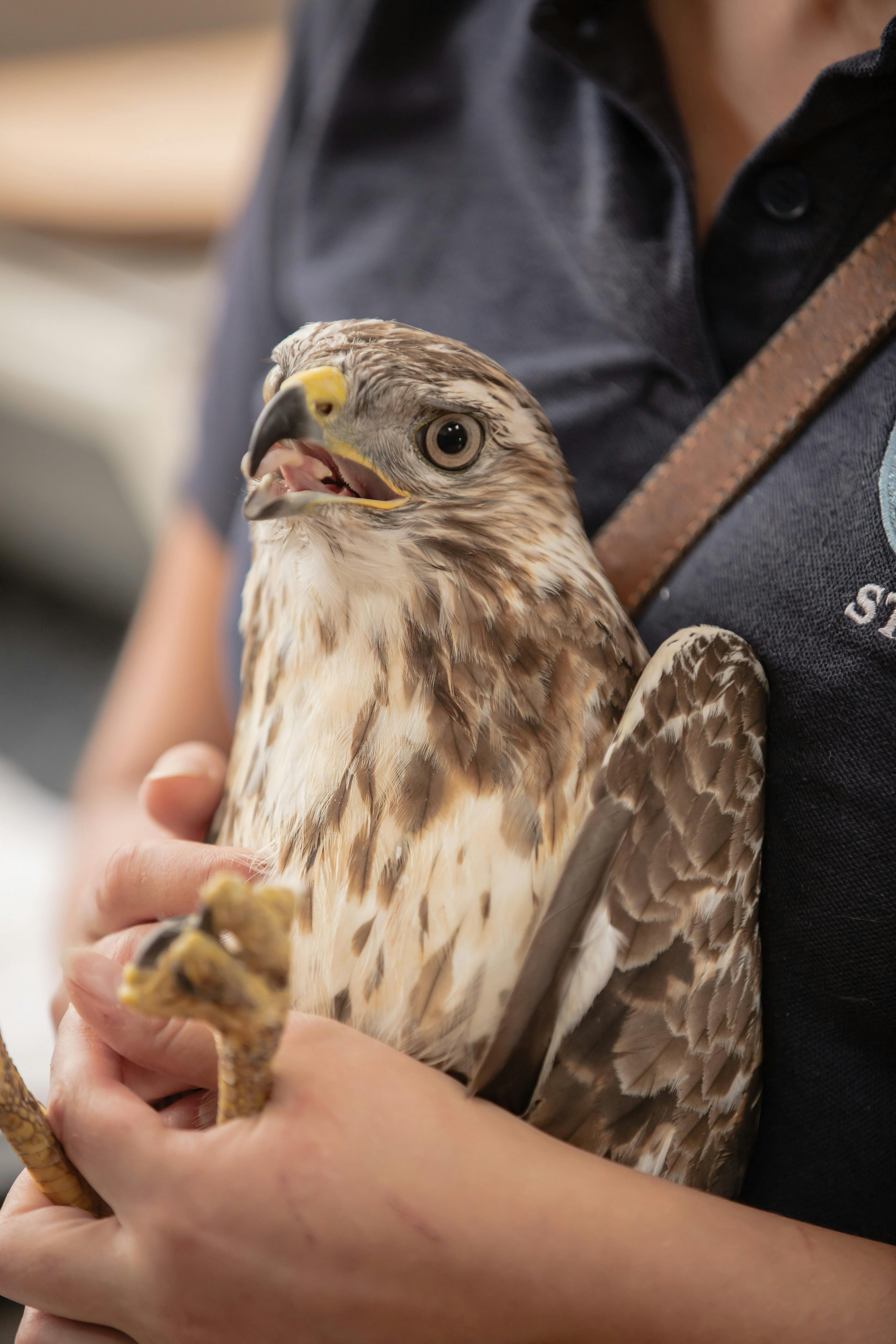
Photo: Paul Groom Photography Bristol / Pexels
Explore bird volunteering opportunities involving wildlife rescue, rehabilitation, conservation, bird sanctuaries, monitoring projects and other initiatives where birds are a meaningful part of the volunteer experience.
Depending on the organisation, volunteers may help care for rescued birds, maintain aviaries, prepare food, support rehabilitation activities, monitor wild populations, restore habitat or assist with education and conservation programmes.
Some listings may be seasonal, archival or no longer active. Always check the publication date and confirm current activities, animal-care practices, volunteer requirements and legal conditions directly with the organisation before making travel plans.
Animal welfare notice
Wild birds and rescued animals should not be handled simply to provide close-contact experiences for visitors or volunteers. Direct handling, restraint, medical treatment and rehabilitation activities should only take place when necessary and under appropriately experienced or qualified supervision.
What can volunteering with birds involve?
Activities depend on the type of project and the participant’s experience. Volunteers may help with:
- preparing appropriate food and fresh water;
- cleaning aviaries and suitable animal-care areas;
- maintaining perches, shelters and enclosures;
- preparing enrichment under staff guidance;
- monitoring behaviour and general condition;
- supporting rehabilitation routines;
- maintaining equipment and facilities;
- bird surveys and population monitoring;
- habitat restoration;
- environmental education and community outreach;
- fundraising, administration or communication;
- other practical activities connected with the wider conservation project.
The individual listing should explain which activities volunteers actually perform. Access to birds and the level of responsibility should depend on training, experience, species and the purpose of the organisation.
Bird rescue and rehabilitation
Wildlife rescue centres may receive birds that are injured, orphaned, confiscated from illegal trade or otherwise unable to survive temporarily in the wild.
Where possible and appropriate, rehabilitation may aim to prepare wild birds for release. Other animals may require longer-term care if release is not possible.
Volunteers should ask what the organisation’s rehabilitation objectives are, how release decisions are made and what veterinary support is available.
Feeding, handling and housing requirements vary considerably between species. Raptors, parrots, waterbirds, seabirds and small wild birds should not be assumed to require the same care.
Wild birds and conservation projects
Not all bird-related volunteering involves animals in captivity. Some projects focus on protecting wild populations and habitats instead.
Activities may include population surveys, nest monitoring, migration studies, habitat restoration, invasive species management or environmental education.
If volunteers collect scientific information, ask what monitoring protocols are used, who supervises the work and how the resulting data contribute to conservation.
Voluntouring has featured projects specifically focused on endangered bird populations, including conservation activities carried out with Association Biom in Croatia. Other listings have included dedicated bird monitoring roles and wildlife sanctuary positions.
Bird sanctuaries and captive birds
The terms sanctuary, rescue centre and bird centre can describe very different organisations. The name alone does not demonstrate good welfare or conservation value.
Before joining, ask:
- where the birds come from;
- why they are kept in captivity;
- whether rehabilitation and release are possible;
- how the birds are housed;
- whether they have suitable space, perches, shelter and enrichment;
- what veterinary support is available;
- whether breeding takes place;
- whether birds are bought, sold or transferred;
- whether visitor interactions involve unnecessary handling;
- what permits or licences apply to the organisation.
Be cautious when an organisation appears to focus heavily on holding, feeding, touching or photographing wild birds for tourist entertainment rather than animal welfare, rehabilitation, conservation or education.
Handling wild birds
Wild birds can become stressed when captured or handled, and some species can cause serious injuries with their beaks, claws or talons.
Volunteers should not independently capture, restrain or handle unfamiliar wild birds unless this forms part of an authorised activity and they have received appropriate instruction.
Birds of prey require particular caution. Their talons can cause serious injuries even when the animal is frightened or weakened.
Veterinary examinations, medication, injections, surgery and other specialist procedures should remain with appropriately qualified and authorised professionals.
Bird welfare and responsible care
Bird welfare involves more than providing food and shelter. Different species have specific behavioural, nutritional, social and environmental needs.
Before volunteering, consider whether birds have appropriate space, opportunities for normal behaviour, suitable perches or substrates, protection from weather and access to clean water and veterinary care.
Animals undergoing rehabilitation may also require minimal contact with humans. Becoming accustomed to frequent handling or interaction can sometimes conflict with the objective of returning a wild animal to its natural environment.
Hygiene and biosecurity
Bird-care projects may require specific hygiene and biosecurity procedures to reduce the spread of infectious diseases between animals, people or different facilities.
Follow instructions concerning handwashing, footwear, protective clothing, cleaning equipment and access to quarantine or rehabilitation areas.
Some organisations may temporarily restrict volunteers or visitors during disease outbreaks or when vulnerable animals are present. These restrictions should be respected even when they reduce opportunities for direct animal contact.
Birds or birdwatching?
The Birds section is intended primarily for opportunities where birds are directly connected with the project’s activities, conservation mission or animal-care work.
If you are mainly interested in observing wild birds during nature projects, surveys or free time, explore the dedicated birdwatching volunteering opportunities.
A project may belong to both sections when bird observation is an important part of a wider bird conservation or monitoring programme.
How to use this page
Open the opportunity that interests you and read the complete announcement. Check the publication date first, because wildlife programmes, seasons and volunteer availability can change.
Look for the contact details or application instructions at the end of the listing and communicate directly with the host or organisation.
Before applying, confirm:
- which bird species are involved;
- whether the birds are wild, rescued or permanently captive;
- the exact volunteer activities;
- whether direct animal handling is expected;
- training and supervision;
- veterinary or wildlife professionals involved;
- weekly hours and days off;
- accommodation and meals;
- minimum stay;
- health or vaccination requirements;
- insurance requirements;
- any fees, deposits or other financial arrangements.
Some opportunities may provide food and accommodation in exchange for help, while others may request a contribution, programme fee or follow a different arrangement. If a mandatory fee applies, ask for the exact amount, what it covers and the applicable payment, cancellation and refund conditions before making a commitment.
Voluntouring does not organise placements, select participants, arrange visas or mediate between volunteers and host organisations. It does not process participant payments between travellers and hosts. Publication on Voluntouring.org does not in itself constitute verification, endorsement or a recommendation of a bird rescue, sanctuary, conservation organisation or other opportunity.
For additional guidance, read Voluntouring’s information about safety and legality in volunteering and work exchanges.
Related opportunities
- Birdwatching volunteering opportunities
- Wildlife volunteering opportunities
- Conservation volunteering opportunities
- Animal rescue centre volunteering opportunities
- Animal sanctuary volunteering opportunities
- Animal welfare volunteering opportunities
Important: animal-care practices, wildlife regulations, project availability, fees and volunteer requirements can change. Confirm current information directly with the organisation before making travel or financial commitments.
Last reviewed: September 2026.
Browse bird volunteering opportunities 🦉🦅🐦
Browse the projects below and use the “Older Posts” navigation if available to continue exploring previous opportunities. Always check that birds remain a meaningful part of the current project before applying.
Do you represent a bird rescue, wildlife rehabilitation centre, sanctuary or conservation project looking for volunteers? You can submit your opportunity to Voluntouring.org for editorial review.