Skip to content

Voluntouring.org

Volunteering and meaningful travel

  • Home
  • Volunteering Projects 🌐
    • Categories
      • NGOs & non-profits 🕊️
      • Organic Farms 🌱
      • Eco-villages 🏡
      • Hostels & hospitality 🛌🏼
      • Animal care & wildlife 🐾
      • Environment & ecology 🌳
      • Marine Conservation 🐙
      • Teaching & Education 👨🏻‍🏫
      • Group volunteer programs 👥
      • Funded programmes / ESC 🇪🇺
      • Free opportunities 🆓
    • Add your listing! ✍️
  • Locations 🗺️
    • Africa 🌍
      • West Africa
        • Ghana 🇬🇭
        • Sierra Leone 🇸🇱
        • Gambia 🇬🇲
        • Togo 🇹🇬
      • North Africa
        • Egypt 🇪🇬
        • Morocco 🇲🇦
        • Sudan 🇸🇩
      • East Africa 🌍
        • Burundi 🇧🇮
        • Ethiopia 🇪🇹
        • Kenya 🇰🇪
        • Malawi 🇲🇼
        • Madagascar 🇲🇬
        • Rwanda 🇷🇼
        • Tanzania 🇹🇿
        • Uganda 🇺🇬
        • Zambia 🇿🇲
      • Central Africa
        • Cameroon 🇨🇲
      • Southern Africa
        • Malawi 🇲🇼
        • Namibia 🇳🇦
        • South Africa 🇿🇦
        • Zambia 🇿🇲
    • Americas 🌎
      • North America
        • Canada 🇨🇦
        • Mexico 🇲🇽
        • United States 🇺🇸
          • Hawaii (Usa)
      • Central America
        • Belize 🇧🇿
        • Caribbean
          • St.Maarten (Caribbean)
        • Bahamas 🇧🇸
        • Costa Rica 🇨🇷
        • Dominican Republic
        • Guatemala 🇬🇹
        • Honduras 🇭🇳
        • Nicaragua 🇳🇮
        • Puerto Rico 🇵🇷
      • South America 🦙
        • Ecuador 🇪🇨
        • Argentina
        • Bolivia 🇧🇴
        • Brazil 🇧🇷
        • Chile 🇨🇱
        • Colombia 🇨🇴
        • Peru 🇵🇪
    • Asia 🌏
      • Southeast Asia
        • Indonesia 🇮🇩
        • Malaysia 🇲🇾
        • Myanmar 🇲🇲
        • Philippines 🇵🇭
        • Thailand 🇹🇭
        • Cambodia 🇰🇭
        • Vietnam 🇻🇳
      • South Asia
        • India 🇮🇳
        • Bhutan 🇧🇹
        • Nepal 🇳🇵
        • Sri Lanka 🇱🇰
      • Western Asia
        • Georgia 🇬🇪
        • Iran 🇮🇷
        • Israel 🇮🇱
        • Jordan 🇯🇴
        • Palestine 🇵🇸
        • Qatar
        • Turkey 🇹🇷
      • East Asia
        • China 🇨🇳
        • Japan 🇯🇵
        • South Korea 🇰🇷
        • Taiwan 🇹🇼
      • Central Asia
        • Afghanistan
        • Kyrgyzstan 🇰🇬
      • Russia 🇷🇺
    • Europe 🇪🇺
      • Eastern Europe
        • Belarus
        • Cyprus 🇨🇾
        • Czech Republic 🇨🇿
        • Georgia 🇬🇪
        • Hungary 🇭🇺
        • Poland 🇵🇱
        • Romania 🇷🇴
        • Russia 🇷🇺
        • Slovakia
        • Turkey 🇹🇷
        • Ukraine 🇺🇦
      • Northern Europe
        • Denmark 🇩🇰
        • Estonia 🇪🇪
        • Iceland 🇮🇸
        • Latvia 🇱🇻
        • Lithuania
        • Norway 🇳🇴
        • Sweden 🇸🇪
      • Western Europe
        • Belgium
        • Italy
        • Ireland 🇮🇪
        • France 🇫🇷
        • Germany 🇩🇪
        • Netherlands 🇳🇱
        • Portugal 🇵🇹
        • Spain 🇪🇸
        • Switzerland
        • UK 🇬🇧
          • England 🇬🇧
          • Scotland 🏴󠁧󠁢󠁳󠁣󠁴󠁿
          • Wales
      • Balkans
        • Albania 🇦🇱
        • Bosnia & Herzegovina
        • Bulgaria 🇧🇬
        • Croatia 🇭🇷
        • Greece 🇬🇷
        • Serbia 🇷🇸
        • Slovenia 🇸🇮
    • Oceania
      • Australia 🇦🇺
      • Hawaii 🌺
      • Papua New Guinea
  • Partners 🎖️
    • Partners 🎖️
    • Submit your volunteer request
    • Services 🖐🏻
  • How it works 🔍
    • Become a volunteer
    • Become a host
    • FAQ
      • FAQ for volunteers
      • FAQ for hosts ℹ️
      • VISA 🛂✔️
      • Disclaimer❗
    • Other lists
  • Donate 🎁
    • Donate 🎁
    • Sponsor a Child 👶🏽👦🏼👧🏿🧒🏻 💖
  • About
    • About
    • Philosophy
    • Safety & legality
    • Cookies
      • Privacy & Cookie Policy 🔍
    • Contact
      • WhatsApp group
      • Contact page
    • Terms of Use❗
  • Blog
  • GET INVOLVED! ✋
    • Online volunteering
    • Work with us
    • Earn Time Credits

Slow travel 🦥✍🏻

Backpacker on a mountain trail representing slow travel and taking more time to experience a journey

Explore slow travel stories, guides, routes and ideas for travellers who prefer spending more time in fewer places, moving at a more relaxed pace and leaving space for deeper experiences of local landscapes, cultures and everyday life.

Slow travel can involve walking, cycling, trains, buses, overland journeys, volunteering, work exchange, hospitality stays or simply remaining longer in one destination rather than trying to visit as many places as possible.

There is no single universal definition of slow travel. On Voluntouring, we use the term mainly for journeys where time, pace and deeper engagement with places are an important part of the experience.

Slow travel on Voluntouring

Slow travel does not automatically mean sustainable or responsible travel. Travelling more slowly can support lower-impact transport, longer stays and deeper local connections, but the actual environmental and social impact still depends on the choices made during the journey.

What is slow travel?

Slow travel is an approach to travelling that places greater value on time, experience and connection than on the number of destinations visited.

Instead of trying to fit as many attractions or cities as possible into a limited itinerary, a slow traveller may stay longer, travel shorter distances, use slower forms of transport or leave enough flexibility to understand a place beyond its most obvious tourist attractions.

The journey itself can also become part of the experience rather than simply a period to minimise between destinations.

What can slow travel look like?

There is no single way to travel slowly. It may involve:

  • spending several days or weeks in one destination;
  • walking long-distance routes;
  • travelling by bicycle;
  • using trains, regional buses or other overland transport;
  • choosing fewer destinations during one trip;
  • volunteering or joining a work exchange for a longer stay;
  • staying with local hosts or communities;
  • learning some of the local language;
  • shopping, eating and participating in everyday local life;
  • allowing flexibility instead of following a tightly scheduled itinerary.

A traveller does not need to follow all of these practices to travel slowly. What matters more is the relationship between time, movement and the experience of the destination.

Slow travel is not about a fixed speed

Travelling slowly does not necessarily mean physically moving at the lowest possible speed.

A traveller might take a fast train between two places and then spend several weeks exploring one region. Another person might walk hundreds of kilometres but move quickly through communities without spending much time in them.

For this reason, slow travel is better understood as an approach to time and experience rather than simply a particular mode of transport.

Taking more time in fewer places

One of the simplest slow travel practices is reducing the number of destinations in an itinerary.

Staying longer can create time for ordinary experiences that are difficult to fit into a short visit: returning to the same neighbourhood, learning where local people shop, walking without a fixed objective, joining community activities or simply becoming familiar with the rhythm of a place.

This does not necessarily make an experience more authentic than someone else’s trip. It simply provides a different opportunity to understand the destination.

Walking and cycling

Walking and cycling naturally fit many slow travel journeys because distances are experienced gradually rather than crossed almost instantly.

Historic routes, pilgrimages and long-distance trails can connect villages, landscapes and communities that travellers might otherwise bypass.

The Via Francigena, for example, connects walking, hospitality, rural communities and forms of travel where the route itself is an important part of the experience.

Walking and cycling still require realistic preparation for traffic, weather, water, accommodation, physical effort and access to assistance when travelling through remote areas.

Travelling by train and overland

Slow travellers often use trains, regional buses and other surface transport rather than treating flying as the default option for every journey.

Overland travel can make intermediate landscapes and towns part of the journey and may reduce the constant cycle of airports, transfers and short stays.

It is not necessary to avoid flying completely in order to practise slow travel. Someone travelling a long distance may fly to a region and then spend several weeks or months exploring it gradually.

Slow travel and volunteering

Volunteering and work exchange can fit naturally into slow travel because they often involve staying in one place longer than an ordinary tourist visit.

Living temporarily with a farm, community, NGO, family or other host can provide opportunities to learn about everyday routines and build relationships over time.

However, a longer stay does not automatically make a volunteer project useful or responsible. The activities, workload, supervision, impact and relationship with the host should still be evaluated carefully.

For opportunities based on exchanging practical help for accommodation or other benefits, explore work exchange volunteering.

Slow travel and long-term travel

Slow travel and long-term travel often overlap, but they describe different aspects of a journey.

Slow travel mainly concerns pace and the relationship with time and place. Long-term travel concerns the extended duration of the journey.

A person can travel slowly for a few weeks, while another traveller may spend a year moving rapidly between destinations.

For extended journeys, explore the long-term travel section.

Slow travel and alternative travel

Alternative travel focuses more broadly on unconventional ways of travelling, such as hitchhiking, van travel, hospitality exchange, walking, cycling and work exchange.

Many of these approaches can support slow travel, but they are not automatically slow. Someone can hitchhike rapidly through several countries or travel intensively by campervan while changing location every day.

Explore other approaches in the alternative travel section.

Slow travel and responsible travel

Slow travel can encourage responsible choices by reducing constant movement, creating more opportunities to use local services and allowing travellers more time to understand the places they visit.

It is not automatically responsible, however. A long stay can still create pressure on housing, use significant resources, involve exploitative tourism activities or have other negative effects.

Responsible travel focuses more directly on these impacts and on the choices travellers, businesses and destinations make in response to them.

Explore this topic in the responsible travel section.

Is slow travel more sustainable?

Slow travel is often associated with sustainability because longer stays and less frequent movement can reduce some forms of transport use and encourage more local spending.

The relationship is not automatic. A traveller who stays somewhere for a month after several long-haul flights may have a very different environmental impact from someone travelling regionally by train or bicycle.

It is therefore better to consider the actual transport, accommodation, consumption and activities involved rather than treating the word “slow” as an environmental certification.

Local life and cultural exchange

Spending more time in a destination can create opportunities for repeated interactions rather than one-off tourist encounters.

Travellers may learn basic language skills, return to the same shops and cafés, participate in local events or simply gain a better understanding of everyday routines.

This should not be romanticised as automatically finding the “real” or “authentic” version of a culture. Local communities are diverse and constantly changing, and travellers remain visitors even during longer stays.

A respectful approach means observing, listening and avoiding assumptions about how local people should live or what aspects of their culture are more authentic.

Leave room in the itinerary

A tightly scheduled journey can leave very little room for unexpected discoveries, changes of plan or simply resting.

Slow travel often involves deliberately leaving some time unplanned. This may mean staying an additional day somewhere interesting, taking a secondary route, revisiting a place or accepting that not every famous attraction needs to fit into one trip.

Flexibility does not mean travelling without preparation. Visas, accommodation, transport, safety and financial limits still need realistic planning.

Technology and slow travel

Slow travel does not require abandoning phones, cameras, maps or travel apps.

Digital tools can help with navigation, language, public transport, accommodation and documenting long journeys. The question is whether technology supports the experience or constantly pulls attention away from it.

For walkers who want some structure without planning every minute, Voluntouring has reviewed Forwalk for planning long-distance walking stages.

Slow travel does not mean getting deliberately lost

Wandering without a strict itinerary can be an enjoyable part of discovering a place, but “getting lost” should be understood figuratively rather than as a travel objective.

In unfamiliar cities, mountains, remote rural areas or places with security concerns, knowing where you are and how to return safely matters.

Allow spontaneity while keeping access to maps, communication and a realistic backup plan.

Budget and slower travel

Travelling more slowly can sometimes reduce costs because the traveller pays for fewer long-distance transfers and may benefit from longer accommodation stays, cooking or work-exchange arrangements.

It can also cost more in total simply because the journey lasts longer.

Slow travel should therefore not be presented automatically as cheap travel. A realistic budget should include accommodation, food, insurance, documents, local transport and an emergency reserve.

For more ideas, read Voluntouring’s guide about travelling with very little money.

Slow travel and overtourism

Travelling more slowly can encourage visitors to explore beyond the most crowded attractions and distribute their time and spending across a wider area.

However, simply staying longer in an overcrowded destination does not solve overtourism. Travellers should still consider local housing pressure, seasonal congestion, environmental limits and rules introduced by destinations to manage visitor numbers.

A slower approach to choosing volunteer projects

Slow travel can also mean taking more time before agreeing to a volunteer placement.

Read the complete listing, ask questions, understand the project’s purpose and avoid choosing an opportunity simply because it fits conveniently into an itinerary.

Before travelling, confirm:

  • the activities and expected weekly hours;
  • days off;
  • accommodation and meals;
  • minimum stay;
  • fees or other financial arrangements;
  • training and supervision;
  • insurance requirements;
  • visa or immigration considerations;
  • how the project works with its local community.

For additional guidance, read Voluntouring’s information about safety and legality in volunteering and work exchanges.

Related sections
  • Long-term travel
  • Alternative travel
  • Responsible travel
  • Hitchhiking
  • Trekking and walking
  • Voluntouring blog

Important: routes, transport services, accommodation, prices, visas and travel conditions can change. Check current information before relying on older travel articles or making travel and financial commitments.

Last reviewed: September 2026.


Explore slow travel stories and ideas 🦥🌍

Browse the articles, routes and stories below and use the “Older Posts” navigation to continue exploring the archive.

Are you a slow traveller with a walking journey, long trip, volunteering experience or other story that could inspire people to spend more time experiencing the places they visit? You can share it with Voluntouring.org for editorial review.

Share your slow travel story

Two young women enjoying the sea during an eco-friendly beach holiday – sustainable travel and responsible tourism concept.

Eco-tourism, is it ‘eco’ for ecology or economy?

Couchsurfing, couchsurfer, photo, logo, model, couch, voluntouring,free couch, couchsurfing not comfortable, what is couchsurfing, free hospitality, volunteer and surf, px, pex, pix

Couchsurfing: a cool way to travel on a budget!

woman, agriculture, travelling, traveller, retired, old woman, senior

If I could go back to my 18s I’d volunteer sooner! (Especially with Wwoof)

Female traveler and volunteer celebrating freedom by the sea with a scarf, ocean view at sunset

What are the best volunteering platforms? 🌐

woman, agriculture, travelling, traveller, retired, old woman, senior

WWOOF VS Workaway – which one should I choose?

nomad family

Meet the Baldeo’s, a nomad family volunteering around the world!

Group of volunteers representing volunteering while travelling and cultural exchange

All the Best Facebook Groups for travel & alternative lifestyles

freegan trip, voluntouring, voluntourism, cheap travel, cheap trip, free trip, how to save money when travelling, volunteering quotes, px

Volunteering quotes to inspire people to volunteer 2019

volunteering in Africa

A short story from David, founder of Tabasamu Orphanage in Tanzania

volunteering, volunteer team, volunteers, projects abroad, volunteer program, hospitality, food and accommodation

Budget travel tips for long-term volunteering abroad

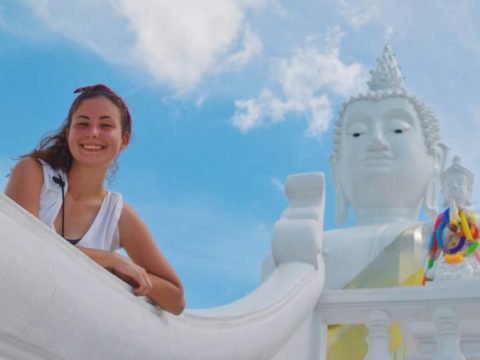
Gabrielle smiling near the large White Buddha statue at Wat Phra That Mae Yen in Pai, Thailand, during her Volunt2Thai volunteer experience teaching English to local children and exploring Thai culture.

Gabrielle’s volunteering report from a volunteering program in Thailand

train pass, passport, asian girl, visa, white background,

How to plan a trip to Europe with train (Global Pass and Select Pass)

retiree, pensioner, volunteer, volunteering, retired woman, retired, on pension, abroad, elderly, solidarity, Thailand

Do older people do voluntouring?

freegan trip, voluntouring, voluntourism, cheap travel, cheap trip, free trip, how to save money when travelling, volunteering quotes, px

Comment partir à l’aventure sans s’endetter

Sunset view of Rishikesh temple and Himalaya mountains in Uttarakhand, India.

How to apply for a VISA in India

Posts navigation

← Older posts
Newer posts →
community, locals, helping, volunteering, african kids, slide
slide
slide
slide, voluntouring, volunteer, help, locals, lifestyle, food and accommodation
Support local communities in need while traveling
Travel and volunteer in a group with other likeminded volunteers
Receive volunteers for your project by offering hospitality, cultural exchange & meaningful opportunities
Travel, help the locals, share the lifestyle, receive food & accommodation in exchange
PlayPause
previous arrow
next arrow

About

About Voluntouring

Voluntouring.org is a directory of volunteering, work exchange, and sometimes paid seasonal roles. Hosts and volunteers connect directly, and we encourage clear terms, reasonable hours, and safe hosting.

Adults only. If a listing involves children or vulnerable people, choose extra care. Local rules vary, so we encourage checking what applies before you travel.

How it works Safety & legality Report a listing
Browse quickly:
Work exchange, Non-profit, Job offers, Seasonal jobs

Quick links

Quick links
Explore how Voluntouring works, our safety guidance, and trusted ways to choose better opportunities.
Start here
How it works FAQ Safety & legality Report a listing
Browse by type
Work exchange Non-profit Job offers Seasonal jobs
Safer choices
Orphanage red flags Volunteering with children

For Hosts

For hosts

Share opportunities responsibly. Clear hours, specific tasks, real days off, and safe hosting help everyone.

Submit an opportunity Host rules
Adults only. Listings may be reviewed, edited, paused, or removed if unclear or reported as unsafe.

Tags

African organizations 🌍 Animal care 🐾 Animal rescue centres 🐾 Animal sanctuaries 🐾 Animal shelters 🐾 Animal welfare 🐾 Artistic & Creativity programs Backpacker hostels 🛌 Cleaning 🧹 Community Computer & Web skills💻 Construction 🛠️ Cultural Exchange 🧑🏾‍🤝‍🧑🏻 Eco-building 🧱🍃 Eco-villages 🏡 Ecology 🪲 Education 🎓 Environment programs 🌳 Erasmus+ European Solidarity Corps 🇪🇺 EVS opportunities 🇪🇺 Farms 🌾🚜 Fundraising 🎗️ Gardening 🌱 General help 🧹🛠️ Grassroots Hostels 🛌🏼 Intentional communities 👥 Job offers 📝 Journalism and Multimedia 📰🎥 Marketing Natural building ⚒️🌳 NGOs 🕊️ Non-profit Organizations 🌐 Permaculture 🌱 Pocket money 💰 Rural areas Teaching English abroad TEFL - TESOL 🎓 Vegan projects 🥕 Vegetarian volunteers 🥕 Yoga 🧘🏿 Youth empowerment ✊👊👩‍🎓 Youth exchange
Copyright © 2026 Voluntouring.org
Design by ThemesDNA.com