Skip to content

Voluntouring.org

Volunteering and meaningful travel

  • Home
  • Volunteering Projects 🌐
    • Categories
      • NGOs & non-profits 🕊️
      • Organic Farms 🌱
      • Eco-villages 🏡
      • Hostels & hospitality 🛌🏼
      • Animal care & wildlife 🐾
      • Environment & ecology 🌳
      • Marine Conservation 🐙
      • Teaching & Education 👨🏻‍🏫
      • Group volunteer programs 👥
      • Funded programmes / ESC 🇪🇺
      • Free opportunities 🆓
    • Add your listing! ✍️
  • Locations 🗺️
    • Africa 🌍
      • West Africa
        • Ghana 🇬🇭
        • Sierra Leone 🇸🇱
        • Gambia 🇬🇲
        • Togo 🇹🇬
      • North Africa
        • Egypt 🇪🇬
        • Morocco 🇲🇦
        • Sudan 🇸🇩
      • East Africa 🌍
        • Burundi 🇧🇮
        • Ethiopia 🇪🇹
        • Kenya 🇰🇪
        • Malawi 🇲🇼
        • Madagascar 🇲🇬
        • Rwanda 🇷🇼
        • Tanzania 🇹🇿
        • Uganda 🇺🇬
        • Zambia 🇿🇲
      • Central Africa
        • Cameroon 🇨🇲
      • Southern Africa
        • Malawi 🇲🇼
        • Namibia 🇳🇦
        • South Africa 🇿🇦
        • Zambia 🇿🇲
    • Americas 🌎
      • North America
        • Canada 🇨🇦
        • Mexico 🇲🇽
        • United States 🇺🇸
          • Hawaii (Usa)
      • Central America
        • Belize 🇧🇿
        • Caribbean
          • St.Maarten (Caribbean)
        • Bahamas 🇧🇸
        • Costa Rica 🇨🇷
        • Dominican Republic
        • Guatemala 🇬🇹
        • Honduras 🇭🇳
        • Nicaragua 🇳🇮
        • Puerto Rico 🇵🇷
      • South America 🦙
        • Ecuador 🇪🇨
        • Argentina
        • Bolivia 🇧🇴
        • Brazil 🇧🇷
        • Chile 🇨🇱
        • Colombia 🇨🇴
        • Peru 🇵🇪
    • Asia 🌏
      • Southeast Asia
        • Indonesia 🇮🇩
        • Malaysia 🇲🇾
        • Myanmar 🇲🇲
        • Philippines 🇵🇭
        • Thailand 🇹🇭
        • Cambodia 🇰🇭
        • Vietnam 🇻🇳
      • South Asia
        • India 🇮🇳
        • Bhutan 🇧🇹
        • Nepal 🇳🇵
        • Sri Lanka 🇱🇰
      • Western Asia
        • Georgia 🇬🇪
        • Iran 🇮🇷
        • Israel 🇮🇱
        • Jordan 🇯🇴
        • Palestine 🇵🇸
        • Qatar
        • Turkey 🇹🇷
      • East Asia
        • China 🇨🇳
        • Japan 🇯🇵
        • South Korea 🇰🇷
        • Taiwan 🇹🇼
      • Central Asia
        • Afghanistan
        • Kyrgyzstan 🇰🇬
      • Russia 🇷🇺
    • Europe 🇪🇺
      • Eastern Europe
        • Belarus
        • Cyprus 🇨🇾
        • Czech Republic 🇨🇿
        • Georgia 🇬🇪
        • Hungary 🇭🇺
        • Poland 🇵🇱
        • Romania 🇷🇴
        • Russia 🇷🇺
        • Slovakia
        • Turkey 🇹🇷
        • Ukraine 🇺🇦
      • Northern Europe
        • Denmark 🇩🇰
        • Estonia 🇪🇪
        • Iceland 🇮🇸
        • Latvia 🇱🇻
        • Lithuania
        • Norway 🇳🇴
        • Sweden 🇸🇪
      • Western Europe
        • Belgium
        • Italy
        • Ireland 🇮🇪
        • France 🇫🇷
        • Germany 🇩🇪
        • Netherlands 🇳🇱
        • Portugal 🇵🇹
        • Spain 🇪🇸
        • Switzerland
        • UK 🇬🇧
          • England 🇬🇧
          • Scotland 🏴󠁧󠁢󠁳󠁣󠁴󠁿
          • Wales
      • Balkans
        • Albania 🇦🇱
        • Bosnia & Herzegovina
        • Bulgaria 🇧🇬
        • Croatia 🇭🇷
        • Greece 🇬🇷
        • Serbia 🇷🇸
        • Slovenia 🇸🇮
    • Oceania
      • Australia 🇦🇺
      • Hawaii 🌺
      • Papua New Guinea
  • Partners 🎖️
    • Partners 🎖️
    • Submit your volunteer request
    • Services 🖐🏻
  • How it works 🔍
    • Become a volunteer
    • Become a host
    • FAQ
      • FAQ for volunteers
      • FAQ for hosts ℹ️
      • VISA 🛂✔️
      • Disclaimer❗
    • Other lists
  • Donate 🎁
    • Donate 🎁
    • Sponsor a Child 👶🏽👦🏼👧🏿🧒🏻 💖
  • About
    • About
    • Philosophy
    • Safety & legality
    • Cookies
      • Privacy & Cookie Policy 🔍
    • Contact
      • WhatsApp group
      • Contact page
    • Terms of Use❗
  • Blog
  • GET INVOLVED! ✋
    • Online volunteering
    • Work with us
    • Earn Time Credits

Responsible travel

Llama in the Andes representing responsible travel and respect for local places and communities

Explore responsible travel articles, guides, stories and opportunities about travelling with greater awareness of the social, economic, cultural and environmental impacts of tourism.

Responsible travel is not a certification or a fixed style of travelling. It is an approach based on recognising that travellers, tourism businesses, hosts, governments and communities can all influence what tourism does to a destination.

On Voluntouring, this section includes articles about volunteering, ethical animal experiences, local communities, transport, safety, alternative travel, cultural exchange and other subjects where the choices made by travellers can affect people, animals and places.

Responsible travel on Voluntouring

We use this section for content that meaningfully considers the consequences of travel choices. An opportunity, organisation or destination is not automatically considered responsible simply because it appears here or uses terms such as sustainable, ethical, eco or community-based.

What is responsible travel?

Responsible tourism developed as an approach to making tourism work better for the places where it happens. It asks travellers, businesses, governments and other stakeholders to take responsibility for the economic, social and environmental effects of tourism.

Common principles include:

  • reducing negative environmental, social and economic impacts;
  • creating greater economic benefits for local people;
  • involving local communities in decisions that affect them;
  • supporting decent working conditions;
  • respecting cultural and natural heritage;
  • encouraging meaningful and respectful relationships between visitors and hosts;
  • making tourism more inclusive and accessible;
  • being transparent about impacts rather than relying only on responsible-sounding labels.

These principles were influentially set out in the Cape Town Declaration on Responsible Tourism.

Responsible travel is about choices and impacts

There is no single type of accommodation, transport or holiday that automatically makes someone a responsible traveller.

A traveller can instead consider questions such as:

  • who owns the businesses receiving their money;
  • how workers are treated;
  • whether local communities have meaningful influence over tourism development;
  • how much pressure tourism places on housing, water, wildlife and public spaces;
  • whether cultural practices are being respected or turned into performances for visitors;
  • whether animal experiences prioritise welfare;
  • how transport choices affect environmental impacts;
  • whether volunteering responds to a genuine need rather than primarily benefiting the visitor.

Different destinations face different problems, so responsible choices will not always look the same everywhere.

Responsible travel and local communities

Tourism can bring employment, income and opportunities to a destination, but it can also contribute to rising prices, overcrowding, displacement, unequal access to resources or loss of local control.

Supporting locally owned accommodation, guides, restaurants, cooperatives and other businesses can help keep a greater share of tourism spending within the destination, but local ownership alone does not guarantee fair working conditions or positive impact.

Where possible, consider whether residents and community organisations have a meaningful role in decisions about tourism rather than being treated simply as part of the visitor experience.

Donations and helping local communities

Good intentions do not automatically produce useful outcomes. Giving money, gifts or material directly to individuals can have unintended effects depending on the context.

If you want to support a community, consider learning about locally led organisations, cooperatives or initiatives that already understand local priorities.

Avoid making assumptions about what a community needs based only on a short visit. Local organisations and residents are generally better placed to identify their own priorities.

Responsible support should strengthen local agency rather than create unnecessary dependence on visitors.

Responsible travel and volunteering

Volunteering abroad can form part of responsible travel, but volunteering itself is not automatically responsible.

Before joining a project, ask:

  • whether the activities respond to a real need;
  • whether local workers could reasonably perform the role;
  • whether volunteers receive appropriate supervision;
  • whether specialised tasks require qualifications;
  • whether the workload and exchange conditions are fair;
  • how participant fees or donations are used;
  • whether vulnerable people or animals are involved;
  • whether the activities are compatible with local law and immigration rules.

A volunteer placement should not become an excuse to replace paid staff, bypass professional standards or provide visitors with inappropriate access to vulnerable people.

For additional guidance, read safety and legality in volunteering and work exchanges.

Responsible travel and children

Tourism and volunteering involving children require particular care.

Travellers should not receive access to children simply because they have paid for a programme, made a donation or volunteered for a short period.

Schools, charities and community organisations should have appropriate safeguarding procedures, supervision and boundaries concerning photographs, personal information and direct interaction.

For more information, read Voluntouring’s guidance about safer alternatives when volunteering around children.

Responsible animal tourism

Wildlife encounters, sanctuaries, animal rescues and other animal-based experiences can also raise important welfare questions.

Terms such as sanctuary, rescue, ethical or conservation should not be treated as proof that an organisation follows good welfare practices.

Consider whether animal activities are designed around genuine welfare and conservation needs or primarily around providing close-contact experiences for visitors.

Riding, handling, feeding, bathing, staged photographs or performances can require closer scrutiny depending on the species and context.

Voluntouring has a dedicated guide explaining how to evaluate animal sanctuaries and rescue centres.

Responsible travel and the environment

Transport, accommodation, food, activities and visitor numbers all create environmental impacts.

Possible ways to reduce unnecessary impacts include staying longer in destinations, avoiding unnecessary repeated flights, using public transport or walking where practical, reducing waste and respecting rules in protected natural areas.

However, responsible travel should not be reduced only to carbon emissions or environmental behaviour. Social and economic impacts are also part of the picture.

Overtourism and visitor pressure

Some destinations receive more visitors than local infrastructure, residents or ecosystems can comfortably support at particular times.

Travellers can sometimes reduce pressure by visiting outside peak periods, exploring less congested areas where appropriate and respecting local restrictions on parking, housing, water use, waste and protected environments.

Responsible tourism may also mean accepting that some places need limits on visitor numbers or activities.

Responsible travel is not automatically slow travel

Responsible travel and slow travel often overlap, but they are not the same concept.

Slow travel focuses mainly on pace and spending more time in fewer places. Responsible travel focuses on the impacts and consequences of travel choices.

A slower journey can reduce repeated transport and create more opportunities for meaningful local interaction, but travelling slowly does not automatically guarantee positive social or environmental impact.

Explore related articles in the slow travel section.

Responsible travel and alternative travel

Alternative forms of travel such as hitchhiking, work exchange, van travel, hospitality networks or long-distance walking can overlap with responsible travel.

They are not automatically more responsible simply because they are unconventional or inexpensive.

The alternative travel section focuses primarily on different ways of travelling, while this page focuses on the consequences of travel decisions.

Responsible travel and justice tourism

Justice tourism places particular emphasis on questions of fairness, solidarity, local economic benefit and relationships between travellers and host communities.

On Voluntouring, the Justice Tourism section also has a practical purpose: it includes suitable NGOs, charities and community organisations where travellers can stay as paying guests or supporters without volunteering being required as a condition of accommodation.

Justice tourism can therefore be considered a more specific approach within the wider responsible travel conversation.

Can conventional or luxury tourism be responsible?

Responsible travel does not require travellers to avoid comfortable accommodation, organised tours or conventional tourism businesses.

A hotel, lodge or tour operator can take meaningful steps concerning fair employment, local procurement, resource use, accessibility, wildlife, waste management and community relationships.

Likewise, a simple homestay, eco-lodge or volunteer project is not automatically responsible merely because it is small, inexpensive or described as local.

It is more useful to look at actual practices than at the style or price of the trip.

Labels, certifications and greenwashing

Words such as responsible, sustainable, ethical, regenerative and eco-friendly are widely used in tourism marketing and can mean different things in different contexts.

Certifications and standards can provide useful information, but the existence of a logo or label should not replace asking what a business actually does.

Look for specific and verifiable practices rather than broad claims. Useful questions include how staff are employed, how environmental impacts are measured, who owns the business, how local suppliers are involved and what evidence supports claims about social or environmental benefits.

How to evaluate a responsible travel claim

When an organisation describes itself as responsible or sustainable, consider asking:

  • what specific impacts it is trying to reduce;
  • how local communities participate in decisions;
  • how local employees are treated and paid;
  • where tourism income goes;
  • how environmental impacts are measured and managed;
  • what animal welfare policies apply where relevant;
  • what safeguarding policies apply where vulnerable people are involved;
  • whether claims are supported by transparent information;
  • whether independent standards or certifications apply and what they actually cover.

No organisation is likely to eliminate every negative impact. Responsible tourism is better understood as taking responsibility for specific impacts and demonstrating what is actually being done about them.

How to use this section

Browse the articles, guides and selected opportunities below for different perspectives on responsible travel.

Some posts contain time-sensitive information about visas, travel conditions, platforms or safety issues. Always check publication and update dates and follow current official sources when making decisions.

A project, organisation or travel service appearing in this archive is not automatically certified, verified or endorsed as responsible by Voluntouring.org. The tag identifies content relevant to the topic, not an approval label.

Related sections
  • Justice tourism
  • Slow travel
  • Alternative travel
  • Long-term travel
  • Sustainable tourism
  • Voluntouring blog

Important: travel conditions, project practices, certifications, regulations and sustainability claims can change. Check current information and relevant official sources before making travel or financial commitments.

Last reviewed: September 2026.


Explore responsible travel articles and opportunities 🌍🌱

Browse the articles, guides and opportunities below and use the “Older Posts” navigation to continue exploring the archive.

Do you have a responsible travel experience, research-based article or practical perspective that could help other travellers think more carefully about their impact? You can suggest it to Voluntouring.org for editorial review.

Share a responsible travel story

Group selfie with a WacFund coordinator Ishmael Lucky Mansaray and five children standing by a village wall in Sierra Leone.

Volunteer in Sierra Leone – A message from Ishmael, founder at Wac Fund

free couch, couchsurfing not comfortable, what is couchsurfing, free hospitality,

Couchsurfing risks closure and asks its members for financial help

Group of international volunteers with dogs in front of an eco house at CINCA EC permaculture and organic farm near Quito, Ecuador.

Volunteering abroad: tips and advices

hands, woman, laptop, notebook, social media, job, manager, facebook, px

What is Airbnb? 🛏️

passport, volunteering, volunteer team, volunteers, projects abroad, volunteer program, hospitality, food and accommodation, visa

How to obtain a Visa for volunteering in Brazil

Travelling, abroad, travel tips, travel links, useful website, luggage, baggage, alternative vacation,

Useful links for working, volunteering and free travel abroad 🌐

Edouard and Marine from A sense of Adventure project smiling with four local children during a village visit in the South American mountains

A sense of adventure: a travel documentary in South America

Oasis in Tagounite Morocco with palm trees and desert reflections near the Tuareg-Berber volunteer project offering lodge and stay (food and accommodation)

Oasis Volunteer Project in Morocco

Medical volunteer in Ghana giving a vaccination to a baby while the mother holds the child during a community health outreach clinic.

Medical student in Ghana: my volunteering experience in Africa

Volunt2Thai volunteer with Thai students in traditional dance costumes at a school cultural event in Udon Thani, Thailand

Volunteer at a campus and cultural center in Thailand 🇹🇭

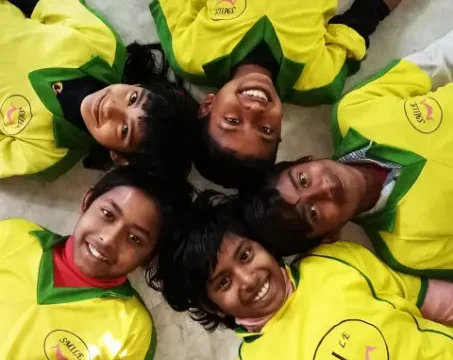
SMILE, NGO, India, Kolkata, children, volunteer programs

Volunteer at the Smile society NGO near Kolkata, India 🇮🇳

Black and white image of a tanzanian kid wearing a red and white stripes t-shirt - representing Glory Orphans Foundation volunteer program in Tanzania

Orphanage: how to detect when it’s a scam ⚠️

freegan trip, voluntouring, voluntourism, cheap travel, cheap trip, free trip, how to save money when travelling, volunteering quotes, px

How to go on an adventure without going into debt

Simon Dabbicco, sitting on an old orange tracked tractor overlooking the Sicilian countryside during a WWOOF or wwoofing experience

What is Wwoof? And why should I give it a go?

Horse travel Spain to France - Grace (Gražina) with her gray horse Currito by a lakeside railing in Spain during a long distance journey.

I travel with my horse Currito, around Spain and beyond: a slow travel story

Posts navigation

← Older posts
Newer posts →
community, locals, helping, volunteering, african kids, slide
slide
slide
slide, voluntouring, volunteer, help, locals, lifestyle, food and accommodation
Support local communities in need while traveling
Travel and volunteer in a group with other likeminded volunteers
Receive volunteers for your project by offering hospitality, cultural exchange & meaningful opportunities
Travel, help the locals, share the lifestyle, receive food & accommodation in exchange
PlayPause
previous arrow
next arrow

About

About Voluntouring

Voluntouring.org is a directory of volunteering, work exchange, and sometimes paid seasonal roles. Hosts and volunteers connect directly, and we encourage clear terms, reasonable hours, and safe hosting.

Adults only. If a listing involves children or vulnerable people, choose extra care. Local rules vary, so we encourage checking what applies before you travel.

How it works Safety & legality Report a listing
Browse quickly:
Work exchange, Non-profit, Job offers, Seasonal jobs

Quick links

Quick links
Explore how Voluntouring works, our safety guidance, and trusted ways to choose better opportunities.
Start here
How it works FAQ Safety & legality Report a listing
Browse by type
Work exchange Non-profit Job offers Seasonal jobs
Safer choices
Orphanage red flags Volunteering with children

For Hosts

For hosts

Share opportunities responsibly. Clear hours, specific tasks, real days off, and safe hosting help everyone.

Submit an opportunity Host rules
Adults only. Listings may be reviewed, edited, paused, or removed if unclear or reported as unsafe.

Tags

African organizations 🌍 Animal care 🐾 Animal rescue centres 🐾 Animal sanctuaries 🐾 Animal shelters 🐾 Animal welfare 🐾 Artistic & Creativity programs Backpacker hostels 🛌 Cleaning 🧹 Community Computer & Web skills💻 Construction 🛠️ Cultural Exchange 🧑🏾‍🤝‍🧑🏻 Eco-building 🧱🍃 Eco-villages 🏡 Ecology 🪲 Education 🎓 Environment programs 🌳 Erasmus+ European Solidarity Corps 🇪🇺 EVS opportunities 🇪🇺 Farms 🌾🚜 Fundraising 🎗️ Gardening 🌱 General help 🧹🛠️ Grassroots Hostels 🛌🏼 Intentional communities 👥 Job offers 📝 Journalism and Multimedia 📰🎥 Marketing Natural building ⚒️🌳 NGOs 🕊️ Non-profit Organizations 🌐 Permaculture 🌱 Pocket money 💰 Rural areas Teaching English abroad TEFL - TESOL 🎓 Vegan projects 🥕 Vegetarian volunteers 🥕 Yoga 🧘🏿 Youth empowerment ✊👊👩‍🎓 Youth exchange
Copyright © 2026 Voluntouring.org
Design by ThemesDNA.com