Olive harvest
Photo: Aallen / Wikimedia Commons, CC BY-SA 3.0.
Explore olive harvest volunteering opportunities, work exchangesA work exchange is an arrangement in which a traveller contributes an agreed amount of help to a host in return for benefits such as accommodation, meals or learning opportunities. Conditions vary by host. and seasonal roles on olive farms and rural projects around the world.
Depending on the host and season, participants may help pick olives, spread harvesting nets, collect fruit, maintain olive groves or assist with other farm activities connected with producing olive oil.
The olive harvest is strongly seasonal and the exact timing varies according to country, region, climate, cultivar and how the olives will be used. Always confirm the current harvest dates directly with the host before planning a trip specifically around olive picking.
Some listings may also be archival or no longer accepting volunteers. Check the publication date and current conditions before making travel arrangements.
Olive harvest on Voluntouring
We use this tag when harvesting olives is a genuine and current part of the opportunity. It may describe a volunteer exchange, a family farm experience or a clearly identified paid seasonal job. The tag describes the activity, not the financial arrangement.
What does olive harvesting involve?
Olive harvesting means collecting ripe olives from trees so that they can be processed for olive oil, prepared as table olives or used in other food production.
Methods vary greatly between small traditional groves and larger commercial farms. Depending on the project, harvesting may involve:
- picking olives by hand;
- using small hand rakes or combs;
- placing nets or sheets beneath trees;
- gathering olives from the nets;
- sorting leaves and branches from the fruit;
- filling crates, baskets or sacks;
- moving harvested olives to a storage or collection point;
- helping prepare fruit for transport to an olive press;
- other seasonal farm tasks connected with the grove.
Some farms also use powered harvesting tools or machinery. Volunteers should receive suitable instructions before using unfamiliar equipment.
When is olive harvest season?
There is no single olive harvest season worldwide.
In many Mediterranean regions, harvesting takes place during autumn and early winter, but the exact period can begin earlier or continue later depending on the location, variety, weather and desired ripeness.
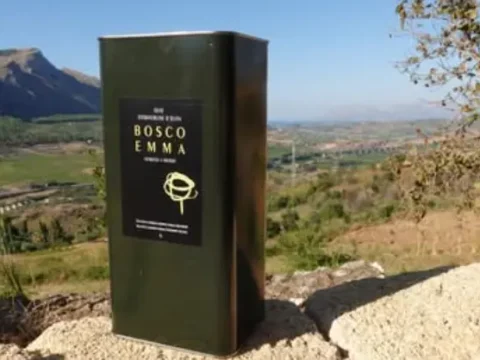
Voluntouring listings illustrate this variation. A project in Segesta, Sicily, describes its harvest approximately from September to November, while a farm in central Portugal identifies November as its main olive-harvest period. Other Italian projects describe activities extending further into winter.
If olive picking is your main reason for applying, ask the host whether harvesting is realistically expected during your exact dates.
Volunteer exchange or seasonal job?
Olive harvesting can take place under very different arrangements.
A small family farm may host travellers for a cultural exchange, providing accommodation and meals in return for a limited amount of help. A larger agricultural business may instead hire seasonal workers and pay wages.
These arrangements should not be confused.
If the role is a volunteer or work exchange, confirm:
- weekly hours;
- days off;
- accommodation;
- food;
- minimum stay;
- any mandatory contribution or fee.
If it is paid agricultural employment, confirm:
- the wage or payment method;
- working hours;
- whether payment is hourly, daily or based on quantity picked;
- accommodation costs or deductions;
- the legal employer;
- contract and employment conditions;
- work-permit requirements.
Paid harvest work should be clearly identified as employment rather than being described as volunteering simply because it is seasonal.
Olive harvest as a cultural exchange
On smaller farms, olive harvesting can be a highly seasonal shared activity involving family members, neighbours, volunteers and other participants.
A volunteer may learn about the grove, local agricultural traditions and the process of turning harvested fruit into olive oil while also contributing practical help during a busy period.
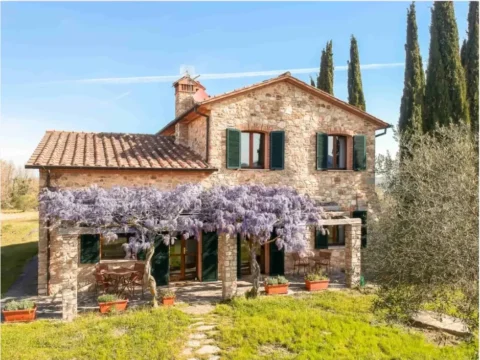
The Tuscany listing near Pisa, for example, combines olive picking with dry-stone wall work, pruning, gardening and general maintenance and presents the harvest as part of a broader farm and cultural exchange.
Likewise, the Segesta project in Sicily combines olive-grove care with everyday family life, maintenance and shared meals.
From olives to olive oil
Freshly harvested olives intended for oil are generally taken to a mill or press after collection.
Some hosts may allow volunteers to observe this part of the process or explain how their oil is produced. Others may only involve volunteers in harvesting and general grove care.
Ask the host what part of the process is actually included rather than assuming that volunteering during harvest automatically involves oil production.
Olive grove work outside harvest season
An olive farm can need help throughout the year even when no fruit is being harvested.
Other activities may include:
- pruning olive trees;
- clearing grass and vegetation;
- maintaining terraces and dry-stone walls;
- mulching;
- irrigation and water management;
- planting or caring for young trees;
- maintaining fences and paths;
- general farm and garden work.
A project involving olive groves year-round may reasonably carry the broader Olives tag even when the Olive harvest tag is only relevant during a particular season.
Physical work and weather
Olive harvesting can involve repeated bending, reaching, carrying crates or sacks and spending several hours outdoors.
Terrain can also be uneven or steep, particularly in traditional terraced groves.
Before applying, ask about:
- the normal working hours during harvest;
- the terrain;
- the amount of lifting involved;
- weather conditions;
- appropriate footwear and clothing;
- whether gloves or other protective equipment are provided;
- how work changes during rain or extreme weather.
Ladders, tools and machinery
Some harvesting methods involve ladders, powered combs, branch-cutting tools or agricultural machinery.
Farm safety notice
Volunteers should not use unfamiliar machinery, power tools or unstable ladders without appropriate instruction and supervision. Specialist agricultural equipment should only be operated by people with suitable experience and any training or authorisation required locally.
Tell the host clearly if you are uncomfortable working at height or using particular tools.
Commercial farms and staff replacement
Olive harvesting is productive agricultural work, so the distinction between cultural exchange and employment deserves particular attention.
A limited seasonal exchange on a small family property is different from a commercial farm relying on unpaid international travellers to perform long harvesting shifts that would otherwise require seasonal employees.
Regular productive work, fixed shifts or output-based expectations may be subject to employment and immigration rules even when food and accommodation are provided.
For more information, read Voluntouring’s guidance about safety and legality in volunteering and work exchanges.
Accommodation and food during harvest
Farm exchanges use many different accommodation arrangements, including farmhouses, private rooms, shared rooms, volunteer houses, caravans and tents.
Harvest periods can also be busy, so ask whether accommodation conditions change when more seasonal helpers are present.
Confirm exactly what food is provided, particularly when the work is physically demanding.
Do not assume that every olive-harvest opportunity belongs in Voluntouring’s Free archive. To qualify there, the listing should meet the specific criteria of no mandatory participant fee, food and accommodation included and a normal workload of no more than 30 hours per week.
How to use this page
Browse the opportunities below and open the complete listing before applying.
If olive harvesting is important to you, confirm:
- the expected harvest dates;
- whether olives are actually being picked during your stay;
- the harvesting method;
- weekly hours and days off;
- the physical demands of the work;
- tools and equipment used;
- training and supervision;
- accommodation and food;
- minimum stay;
- any fees or financial arrangements;
- whether the role is volunteering, work exchange or paid employment;
- insurance requirements;
- visa or work-authorisation requirements.
Always check the publication date. Harvest timing and volunteer availability can change from year to year according to weather, crop conditions and the needs of the farm.
Voluntouring does not organise placements, recruit seasonal workers, arrange visas or mediate employment or volunteer agreements. Publication on Voluntouring.org does not itself constitute verification, endorsement or a recommendation of a farm or opportunity.
Related opportunities
- Olive grove and olive-related opportunities
- Harvesting opportunities
- Farm volunteering opportunities
- Organic farm volunteering opportunities
- Seasonal jobs for travellers
- Paid job opportunities
Important: harvest dates, crop conditions, activities, accommodation and financial arrangements can change each season. Confirm current information directly with the host before booking travel.
Last reviewed: September 2026.
Browse olive harvest volunteering opportunities 🫒🌿
Browse the projects below and use the “Older Posts” navigation if available to continue exploring previous opportunities. Always confirm the current olive harvest dates before applying.
Do you host an olive farm or rural project looking for volunteers, work-exchange participants or seasonal workers during the olive harvest? You can submit your opportunity to Voluntouring.org for editorial review.