Elephant 🐘
Explore elephant volunteering opportunities involving animal welfare, rescue and rehabilitation support, conservation, habitat protection, research and other projects where the well-being of elephants should remain the priority.
Elephant projects require particular care when choosing where to volunteer. Some organisations focus on genuine rescue, rehabilitation or conservation, while others use terms such as sanctuary, rescue or ethical tourism while continuing to offer activities primarily designed for visitors.
Some listings may be seasonal, archival or no longer active. Always check the publication date and confirm current elephant-care practices, activities and volunteer requirements directly with the organisation before applying.
Animal welfare notice
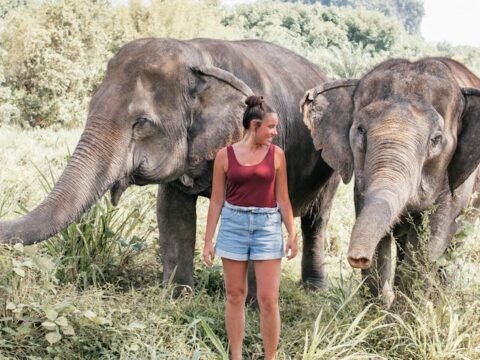
Be particularly cautious with projects that promote elephant riding, bathing, petting, performances, staged selfies or routine close-contact experiences for visitors. Activities should be designed around the animals’ welfare, not around providing memorable tourist interactions.
What can responsible elephant volunteering involve?
Depending on the organisation and the participant’s qualifications, activities may include:
- habitat and land maintenance;
- preparing appropriate food under staff direction;
- cleaning facilities or preparing equipment without unnecessary animal contact;
- observational behaviour monitoring;
- conservation research and data support;
- environmental education and community outreach;
- fundraising, administration or communication;
- supporting qualified elephant-care or veterinary teams;
- habitat restoration and other conservation activities.
A responsible volunteer role does not need to include touching or handling elephants. In many cases, keeping an appropriate distance is more consistent with animal welfare than creating opportunities for direct interaction.
Evaluating an elephant sanctuary or rescue centre
The words “sanctuary”, “rescue centre” or “retirement home” should not be treated as proof of good welfare standards. Ask how the elephants arrived at the organisation, why they remain in captivity and what their long-term care plan is.
Useful questions include:
- whether elephants are used for rides, performances or visitor entertainment;
- whether tourists or volunteers are encouraged to bathe, pet or pose closely with elephants;
- how much freedom of movement and choice the elephants have;
- how elephants are housed and socially managed;
- what veterinary support is available;
- whether breeding, sale or commercial transfers occur;
- whether relevant wildlife permits or licences are held;
- what conservation, rescue or welfare objectives the organisation actually pursues.
Necessary contact by trained keepers, veterinarians or rehabilitation staff is different from close-contact experiences organised primarily for paying visitors.
For more detailed guidance, read Voluntouring’s article How to spot a real animal sanctuary and avoid scams disguised as rescue.
Volunteer safety around elephants
Elephants are extremely large and powerful wild animals. Even apparently calm animals can cause serious injury, particularly when stressed, frightened or handled incorrectly.
Volunteers should not independently handle, restrain or train elephants. Ask what distance participants are expected to maintain, what barriers or procedures are used and who supervises activities.
Veterinary treatment, medication, invasive procedures and specialist wildlife handling should remain with appropriately qualified and authorised professionals.
Make sure your insurance covers the activities involved, particularly wildlife work or projects in remote environments.
Conservation and wild elephants
Elephant conservation does not necessarily involve captive animals. Projects may instead focus on habitat protection, population monitoring, human-elephant coexistence, research or community-based conservation.
For field projects, ask what data are collected, who uses them, whether activities follow established protocols and how local communities and relevant conservation authorities are involved.
Volunteers should not approach, feed or otherwise interfere with wild elephants unless this forms part of an authorised activity led by appropriately trained professionals.
How to use this page
Open the opportunity that interests you and read the complete announcement. Look for the contact details at the end of the listing to find the organisation’s website, email address or application procedure.
Before applying, confirm:
- the organisation’s purpose and legal status;
- the number and origin of the elephants involved;
- the exact volunteer activities;
- the level of direct animal contact;
- training and supervision;
- weekly hours and days off;
- accommodation and meals;
- minimum stay;
- insurance and vaccination requirements;
- any fees, deposits or other financial conditions.
Some opportunities may have no mandatory participant fee, while others may request a contribution or programme fee. If payment is required, ask for the exact amount, what it covers and the applicable payment, cancellation and refund conditions before making a commitment.
A participant fee does not automatically make an elephant project more or less responsible or ethical. The organisation’s actual animal welfare practices remain the more important consideration.
Voluntouring does not organise placements, select participants, arrange visas or mediate between volunteers and host organisations. It does not process participant payments between travellers and hosts. Publication on Voluntouring.org does not in itself constitute verification, endorsement or a recommendation of an elephant project or organisation.
Related opportunities
- Animal welfare volunteering opportunities
- Animal sanctuary volunteering opportunities
- Animal rescue centre volunteering opportunities
- Wildlife volunteering opportunities
- Conservation volunteering opportunities
Important: elephant-care practices, permits, volunteer activities, participant fees and project conditions can change. Confirm current information directly with the organisation before making travel or financial commitments.
Last reviewed: September 2026.
Browse elephant volunteering opportunities 🐘🌿
Browse the projects below and use the “Older Posts” navigation if available to continue exploring previous opportunities. Always check the publication date and current animal welfare practices before applying.
Do you represent an elephant rescue, rehabilitation, conservation or welfare project looking for suitable volunteers? You can submit your opportunity to Voluntouring.org for editorial review.