Au pair in China 🇨🇳
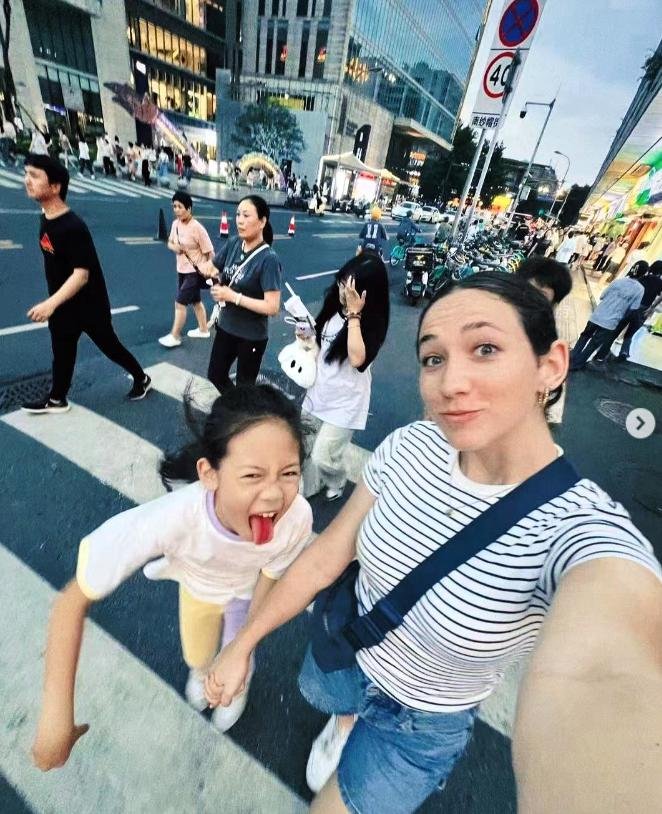
Photo: Yohoo Au Pair China
Explore au pair opportunities in China involving host families, cultural exchange, language practice and childcare-related activities.
Au pair and homestay programmes in China can vary considerably. Some focus mainly on cultural exchange and informal language practice with a host family, while others may involve regular childcare, tutoring or household responsibilities.
For this reason, do not rely only on the words “au pair”, “culture exchange” or “homestay”. Read the complete listing and confirm the actual schedule, responsibilities, compensation, accommodation and immigration arrangements before accepting a placement.
Visa and work status in China
China does not have an ordinary visa category specifically named “au pair”. A programme should clearly explain which visa or residence status it proposes and why that status is appropriate for the actual activities involved. Childcare, regular tutoring or other duties may raise work or immigration questions depending on the arrangement. Verify current requirements through official Chinese immigration or consular information before travelling.
What does au pair in China usually mean?
Au pair programmes in China are commonly presented as family-based cultural exchanges in which an international participant lives with a Chinese host family for a temporary period.
The participant may spend time with the family’s children, share language and culture, help with informal English practice and participate in everyday family life. Some programmes also include Mandarin lessons, cultural activities, orientation or organised excursions.
Accommodation and meals are commonly part of the arrangement, while some programmes also advertise pocket money or another allowance. The exact conditions should always be confirmed for the individual placement.
Au pair, homestay tutor or English teacher?
These roles should not automatically be treated as interchangeable.
An au pair arrangement generally combines cultural exchange with limited childcare and family-life responsibilities. A homestay tutor may focus much more heavily on language practice or tutoring. A professional English teaching position is employment and should be treated according to the relevant employment and immigration rules.
If you are expected to teach fixed lessons for many hours each week, follow a curriculum, work for a school or perform duties comparable to a paid teacher, the opportunity should not simply be described as an au pair cultural exchange.
Typical activities
Depending on the family and programme, activities may include:
- spending time with the host family’s children;
- informal English conversation and language practice;
- playing games and organising age-appropriate activities;
- sharing your culture, traditions and language;
- helping children with simple homework or language exercises;
- joining family activities and cultural events;
- light tasks directly connected with the children;
- participating in Mandarin lessons or cultural activities provided by the programme.
The actual duties should be clearly defined before arrival. A general statement such as “help with the children” is not enough to understand the real workload.
Child safeguarding notice
Living with a family can involve genuine responsibility for children. Ask exactly when you will be responsible for them, whether a parent or other adult will normally be present and what happens in an emergency. Au pair arrangements should not be used to replace professional childcare or create excessive unsupervised responsibility for an inexperienced participant.
Hours and days off
Ask for a realistic weekly schedule before agreeing to the placement. Clarify how many hours are expected each day and week and which periods are genuinely free.
Ask specifically about:
- morning and evening childcare;
- school runs or extracurricular activities;
- English tutoring or conversation practice;
- evening babysitting;
- weekend responsibilities;
- school holidays;
- overnight childcare;
- days off and personal travel.
Descriptions such as “flexible”, “light help” or “be part of our family” should not replace a clear discussion about hours and responsibilities.
Accommodation and family life
Because participants normally live with the host family, ask where you will sleep and what privacy you will have.
Confirm whether you have a private bedroom, which bathroom you will use, whether meals are provided every day and whether there are household rules concerning curfews, visitors, internet use or shared spaces.
Living with a family can provide meaningful cultural immersion, but being considered part of the household should not mean being permanently available for childcare or domestic tasks.
Pocket money, programme fees and other costs
Some China-based au pair programmes advertise monthly pocket money, Mandarin lessons, cultural activities, insurance, airport pickup or other benefits. Others may follow a different arrangement.
Before applying, ask for a complete breakdown of:
- pocket money or allowance;
- accommodation;
- meals;
- insurance;
- Mandarin lessons;
- local transport;
- flights or flight contributions;
- visa-related expenses;
- agency or programme fees;
- deposits;
- completion bonuses;
- cancellation and refund conditions.
Do not assume that an opportunity is completely free simply because accommodation and meals are included.
Visa and immigration questions
China’s official visa system includes categories for work, study, exchanges, tourism, family visits and other purposes, but there is no ordinary visa category specifically called an au pair visa.
This makes it particularly important to understand exactly which status a programme proposes. Ask the organisation:
- which visa or residence status participants normally use;
- what activities that status permits;
- who issues the invitation or supporting documents;
- whether tutoring or childcare is described in those documents;
- whether any study, internship or language course is genuinely part of the programme;
- what happens if immigration authorities request additional information.
Do not rely only on statements such as “we provide visa documents” or “we have always used this visa”. Supporting documents provided by an agency do not by themselves establish that a particular activity is legally permitted.
You can consult the National Immigration Administration of China for the official visa categories and current immigration framework.
Voluntouring also provides general guidance about visas for volunteering and work exchanges abroad.
Childcare, tutoring and work
A family-based cultural exchange can gradually become something quite different if the participant is expected to provide substantial childcare, regular private tutoring or other productive work.
Before travelling, compare the programme’s description with what you will actually do. If duties resemble regular employment, ask the organisation to explain how the arrangement complies with the applicable rules.
China’s employment rules regulate foreigners working in the country. A cultural-exchange label should therefore not be treated as a substitute for checking whether the proposed activities are compatible with your immigration status.
Choosing a programme or agency
Some au pair placements in China are arranged through agencies rather than directly with individual families.
Before accepting an agency-organised placement, ask:
- how host families are selected;
- whether participants receive a written agreement;
- what orientation is provided;
- who you can contact if there is a problem;
- whether alternative accommodation is available in an emergency;
- what happens if the family match does not work;
- how complaints are handled;
- what fees the agency receives from participants or host families.
An established agency can provide useful support, but the presence of an intermediary does not automatically guarantee that every family, condition or immigration arrangement is appropriate.
Adults only on Voluntouring
Voluntouring.org currently promotes volunteering and work exchangeA work exchange is an arrangement in which a traveller contributes an agreed amount of help to a host in return for benefits such as accommodation, meals or learning opportunities. Conditions vary by host. opportunities only for participants aged 18 or over.
Individual programmes may have additional age, education, nationality or language requirements. Always check the current eligibility criteria directly with the organisation.
Questions to ask before applying
Before accepting an au pair or homestay placement in China, confirm:
- the number and ages of the children;
- the exact childcare responsibilities;
- how much English tutoring is expected;
- the weekly schedule and days off;
- whether evening or overnight childcare is required;
- your private accommodation;
- meals and household arrangements;
- pocket money or other compensation;
- Mandarin classes and cultural activities;
- insurance;
- programme or agency fees;
- the proposed visa or residence status;
- what support is available if the family match does not work;
- how either side can end the placement early.
A video call with the host family before making a commitment can help clarify expectations, communication style and everyday family life.
How to use this page
Browse the opportunities below and open the listing that interests you. Check the publication date and current programme status before applying, because older China-based cultural exchange programmes may have changed or closed.
For example, the former Abridge Homestay Tutor programme featured on Voluntouring is now kept only as an archival reference because its in-person programmes were discontinued.
Look for the contact details or application instructions in each listing and verify all current conditions directly with the family, agency or programme.
Voluntouring does not recruit au pairs, select host families, issue visas, determine immigration status or supervise placements. Publication on Voluntouring.org does not in itself constitute verification, endorsement or a guarantee that a particular arrangement is legally suitable for an individual participant.
For additional guidance, read Voluntouring’s information about safety and legality in volunteering and work exchanges.
Related opportunities
- Au pair opportunities abroad
- Volunteer opportunities in China
- Cultural exchange opportunities
- Homestay opportunities
- Language exchange opportunities
- Teaching English abroad
Important: programme availability, childcare duties, pocket money, fees and Chinese immigration requirements can change. Confirm current information directly with the programme and check official immigration requirements before making travel or financial commitments.
Last reviewed: September 2026.
Browse au pair opportunities in China 🇨🇳👩👦
Browse the listings below and use the “Older Posts” navigation if available to continue exploring previous opportunities. Always distinguish genuine family-based cultural exchange from regular teaching, professional childcare or other employment.
Do you organise an adult au pair or host-family cultural exchange programme in China with clearly explained duties and conditions? You can submit your opportunity to Voluntouring.org for editorial review.