Could your next job involve protecting some of the rarest birds in New Zealand, on an island where conservation work can take you deep into the wilderness?
New Zealand’s Department of Conservation (DOC) is recruiting a permanent, full-time Ranger for its biodiversity team on Rakiura / Stewart Island. The position offers an annual salary of NZ$62,192–67,446 and involves restoring coastal habitats, protecting native wildlife and controlling introduced predators. Staff accommodation in a shared house may be available, although its cost is not specified. Applicants need practical outdoor skills, good physical fitness and the legal right to work in New Zealand. Applications close on 22 November 2026.
Information reviewed: 15 November 2026. This article covers a publicly advertised permanent position with the Department of Conservation. Availability, employment conditions and application requirements may change.
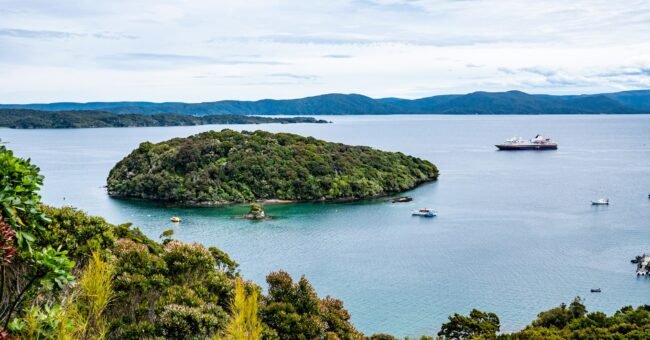
Far south of New Zealand’s South Island lies Rakiura, also known as Stewart Island, a place of dense forests, rugged coastlines, windswept hills and remarkable native wildlife. Much of the island is protected within Rakiura National Park, and conservation work here often means travelling far beyond the small settled area.
For the right person, this could become more than a memorable place to visit. The Department of Conservation, known in New Zealand as Te Papa Atawhai, is looking for a Ranger to join its Rakiura biodiversity team. The successful applicant will help protect threatened species and restore habitats across the island, including areas that are difficult to reach and demanding to work in.
One of the species that benefits from this work is the pukunui, or southern New Zealand dotterel, a critically threatened bird whose population has recently shown an encouraging recovery after years of decline.
Permanent ranger position on Rakiura / Stewart Island
DOC is advertising a full-time conservation role with an annual salary range of NZ$62,192–67,446. The position includes extensive fieldwork, occasionally requiring stays of up to ten days in remote backcountry areas. Applications close at 11:59 pm on Sunday 22 November 2026, New Zealand time. Shared staff accommodation may be available if required.
Rakiura’s importance for conservation
Rakiura is New Zealand’s third-largest island, situated across Foveaux Strait from the southern coast of the South Island. Its landscapes include native forests, wetlands, beaches, coastal dunes and remote mountain areas. While the island has a small resident community centred around Oban, much of its interior remains wild and difficult to access. These environments provide important habitat for many native species, including kiwi, seabirds and the hoiho, or yellow-eyed penguin. However, introduced predators and invasive plants continue to threaten the island’s ecosystems. DOC works with other organisations, iwi and local communities to restore native habitats and reduce these pressures.
The new Ranger will contribute to this wider conservation effort through practical fieldwork rather than primarily office-based activities.
A rare bird’s population has increased by 52%
One of the most remarkable recent conservation stories on Rakiura concerns the pukunui, or southern New Zealand dotterel, a shorebird that breeds exclusively on the island. Despite being described as a shorebird, pukunui do not normally nest on beaches. During the breeding season, they move into exposed mountain areas above the bush line, where they lay their eggs among low alpine vegetation. These nesting sites are particularly vulnerable to introduced predators, including feral cats. In April 2026, DOC announced that the estimated pukunui population had increased from 105 birds in 2025 to approximately 160 in 2026, a rise of 52%. This was the largest annual increase recorded since recovery efforts began more than three decades earlier.
The improvement followed a major predator-control operation that reduced the number of feral cats in important breeding areas. More adult birds survived, and the annual monitoring programme recorded 56 newly banded juveniles.
It is encouraging news, but the species remains classified as Nationally Critical under New Zealand’s threat classification system. With such a small population, continued predator control and monitoring remain essential.
The Ranger vacancy includes work supporting the Pukunui Recovery Project. It is one of several responsibilities within the position, rather than a job dedicated exclusively to this bird.
What does a biodiversity Ranger do on Rakiura?
DOC’s Rakiura biodiversity team works on different conservation programmes across the island. The successful candidate will spend much of their time outdoors, doing practical work that helps restore ecosystems and protect native species. The advertised responsibilities include:
- Controlling invasive plants as part of dune restoration projects, particularly around Mason Bay.
- Checking traps and wildlife trail cameras for biosecurity monitoring on Ulva Island / Te Wharawhara.
- Maintaining tracks and huts used during biodiversity fieldwork.
- Controlling invasive plants elsewhere in Rakiura National Park.
- Supporting predator-control activities in remote areas associated with the Pukunui Recovery Project.
- Helping monitor hoiho, or yellow-eyed penguins, during their breeding season.
The work combines habitat restoration, species conservation, pest management and practical maintenance. Rangers must follow established safety procedures and record observations accurately, often while working in changing weather conditions.
Working on predator-free Ulva Island
Ulva Island / Te Wharawhara is a small sanctuary in Paterson Inlet, close to Stewart Island. It has been free of established introduced mammalian predators since 1997 and is known for its native forest and birdlife. Maintaining that status requires constant attention. The Ranger’s responsibilities include checking traps and trail cameras to detect possible incursions and support the island’s biosecurity programme. This is quite different from simply observing wildlife. The work involves recognising potential threats, maintaining equipment and responding according to DOC procedures.
Up to ten days in remote backcountry areas
One of the most demanding aspects of the job is the possibility of spending extended periods in Rakiura’s backcountry. The announcement states that Rangers may need to stay overnight in remote, rugged terrain for up to ten consecutive days, sometimes working alone and sometimes with colleagues. This can involve navigating challenging landscapes, carrying field equipment and working in conditions where access to ordinary services is limited. This role is not for someone seeking a relaxed island lifestyle or a beginner’s introduction to hiking. Confidence in remote environments, physical fitness and a strong awareness of safety are important.
Who is the Department of Conservation looking for?
DOC is seeking someone with a combination of practical fieldwork experience, problem-solving skills and an interest in protecting native biodiversity.
The advertisement identifies several relevant skills and qualities, including a current full driver’s licence, knowledge or experience of biodiversity fieldwork, confidence navigating in the backcountry, strong physical fitness and the ability to work effectively in a small team. Experience with herbicides, trapping and other pest-management activities is particularly relevant. Candidates should also be comfortable using computers, learning new recording systems, communicating clearly and making decisions with safety in mind. A number of additional qualifications and experiences are considered desirable rather than essential, including Growsafe accreditation, chainsaw competency, first aid certification, boating experience, trailer driving and familiarity with GIS or GPS equipment. The announcement encourages applications from people who have some of the skills listed, so candidates should evaluate their relevant experience rather than assume that every desirable certificate is compulsory.
Previous experience living or working in a small, relatively isolated community would also be useful.
How much does the Ranger position pay?
The advertised annual salary range is NZ$62,192 to NZ$67,446, with the successful applicant’s starting salary determined by their relevant skills and experience. This is a permanent, full-time employment position, not a volunteer placement, work exchangeA work exchange is an arrangement in which a traveller contributes an agreed amount of help to a host in return for benefits such as accommodation, meals or learning opportunities. Conditions vary by host. or temporary conservation expedition. The announcement does not specify an exact starting salary for all applicants, nor does it give detailed information about additional allowances or relocation benefits. Applicants should review the employment agreement carefully and clarify any relevant payroll, leave and benefit arrangements before accepting an offer.
Is accommodation provided?
DOC acknowledges that private accommodation on Stewart Island is limited. To help address this, it states that staff accommodation in a shared house is available if required. This could be particularly important for someone moving to the island from elsewhere in New Zealand. However, the announcement does not describe the shared accommodation as free and does not publish a rental amount. It also does not specify the room arrangements or whether utilities are included.
Applicants should confirm availability, rental charges, household facilities and any conditions associated with the accommodation directly with DOC.
Are meals, transport and relocation expenses included?
The job announcement does not identify free meals, a food allowance or a relocation package as benefits of this position. It also does not say whether DOC would cover the journey to Stewart Island, the transport of personal belongings or initial accommodation expenses. Rakiura is accessible from the South Island by ferry or aircraft, but travel to a remote island can involve additional planning and costs. Anyone considering relocating should clarify these arrangements before committing to the move. It is also worth asking how food, equipment and transport are organised during multi-day conservation assignments in the backcountry.
Can international applicants apply?
The vacancy does not specify a nationality restriction, but it makes one requirement clear: candidates must have the legal right to work in New Zealand, including a valid work visa covering the required employment period where applicable. The announcement does not promise visa sponsorship or confirm a specific visa pathway for overseas candidates. DOC’s general recruitment guidance explains that the department can consider qualified international applicants and has accredited employer status for recruitment under certain conditions. However, this does not mean sponsorship or visa assistance is guaranteed for this particular Ranger position.
Anyone applying from abroad should check their immigration status carefully and clarify eligibility with the recruitment team before making travel plans.
What about Working Holiday Visas?
This distinction matters especially for younger international travellers.
New Zealand’s Working Holiday Visas generally allow eligible visitors to undertake temporary work, but they do not permit holders to accept permanent employment. Because the Rakiura Ranger vacancy is permanent, applicants should not assume that an ordinary Working Holiday Visa would make them eligible. The appropriate visa conditions must be checked with Immigration New Zealand. The advertisement does not list a formal English-language test, although confident English communication would be important for fieldwork, safety procedures and coordination with colleagues.
How and when to apply for the Rakiura Ranger job
Applications are managed through the official Department of Conservation Careers Hub. Candidates are asked to submit their CV and a cover letter explaining their relevant experience, practical skills and motivation to work with DOC. It would be particularly useful to demonstrate previous biodiversity fieldwork, remote-area navigation, pest-control experience, good safety practices and an ability to work independently or within a small team. The official deadline is Sunday 22 November 2026 at 11:59 pm, New Zealand time. Applicants outside New Zealand should take the time difference into account and avoid leaving their application until the final hours.
The advertised vacancy reference is JR103043.
What if you discover this opportunity after the deadline?
Even if this particular Ranger vacancy has closed by the time you read this article, the Department of Conservation regularly recruits people for conservation, biodiversity, visitor services and field operations throughout New Zealand. Interested readers can continue exploring the DOC Careers Hub and set up email or text alerts for future openings. The department also publishes information about possible career pathways and the skills needed to work in conservation. Following an organisation’s recruitment updates can be useful when an opportunity matches your interests but the timing, eligibility or experience requirements are not right.
Could you make Rakiura your next workplace?
The appeal of working on Stewart Island goes beyond the landscapes. The Ranger’s everyday responsibilities contribute to long-term projects intended to protect habitats and give rare native species a better chance of survival. The recent increase in the pukunui population illustrates what sustained conservation work can achieve, while also showing why that work cannot simply stop after one successful breeding season. For someone with practical conservation skills, the fitness to work in remote environments and appropriate New Zealand work rights, this permanent DOC position offers the possibility of building a career in one of the country’s most distinctive natural areas.
The island may be beautiful, but the real purpose of this job is to help keep its wildlife and ecosystems alive for the future.
How to apply 📧🔍
The position is advertised directly by the Department of Conservation / Te Papa Atawhai, the New Zealand government agency responsible for conservation management.
- Employer: Department of Conservation (DOC).
- Location: Rakiura / Stewart Island, Southland, New Zealand.
- Position: Ranger, biodiversity team.
- Vacancy reference: JR103043.
- Contract: Permanent, full-time employment.
- Annual salary: NZ$62,192–67,446, depending on experience.
- Accommodation: Shared staff housing may be available; cost not specified.
- Meals and relocation: Not specified as included.
- Work rights: Valid New Zealand employment authorisation required.
- Application deadline: 22 November 2026, 11:59 pm (New Zealand time).
- Recruitment contact: Marie Manley, Recruitment Advisor.
- Email: mmanley@doc.govt.nz.
How to apply: Submit a CV and cover letter through the official DOC recruitment system. Before accepting an offer, confirm staff accommodation costs, any relocation support and the applicable visa requirements.
Missed the deadline? You can still follow future conservation vacancies through the DOC Careers Hub, where applicants can create an account and set up job alerts.
This is an independent informational article based on a publicly advertised government employment opportunity. It does not represent a partnership or recruitment request from DOC. Voluntouring.org does not manage applications, guarantee employment or verify individual contracts.
Sources and further reading
- Department of Conservation: Official Ranger vacancy, Rakiura (JR103043).
- New Zealand Government Jobs: Ranger vacancy, Department of Conservation.
- DOC, 21 April 2026: Pukunui population up 52 percent following predator control.
- Forest & Bird, 21 April 2026: Pukunui population increase on Rakiura.
- DOC: Southern New Zealand dotterel / pukunui species information.
- DOC: Predator Free Rakiura.
- DOC: Ulva Island / Te Wharawhara.
- DOC: Recruitment process, future job alerts and international applicants.
- Immigration New Zealand: Working Holiday Visa employment limitations.
Editorial review: 15 November 2026. This article is based on official recruitment and conservation information. Vacancies, salaries, accommodation arrangements, immigration requirements and application deadlines may change. Candidates should verify the current details directly with DOC.