Cows 🐄
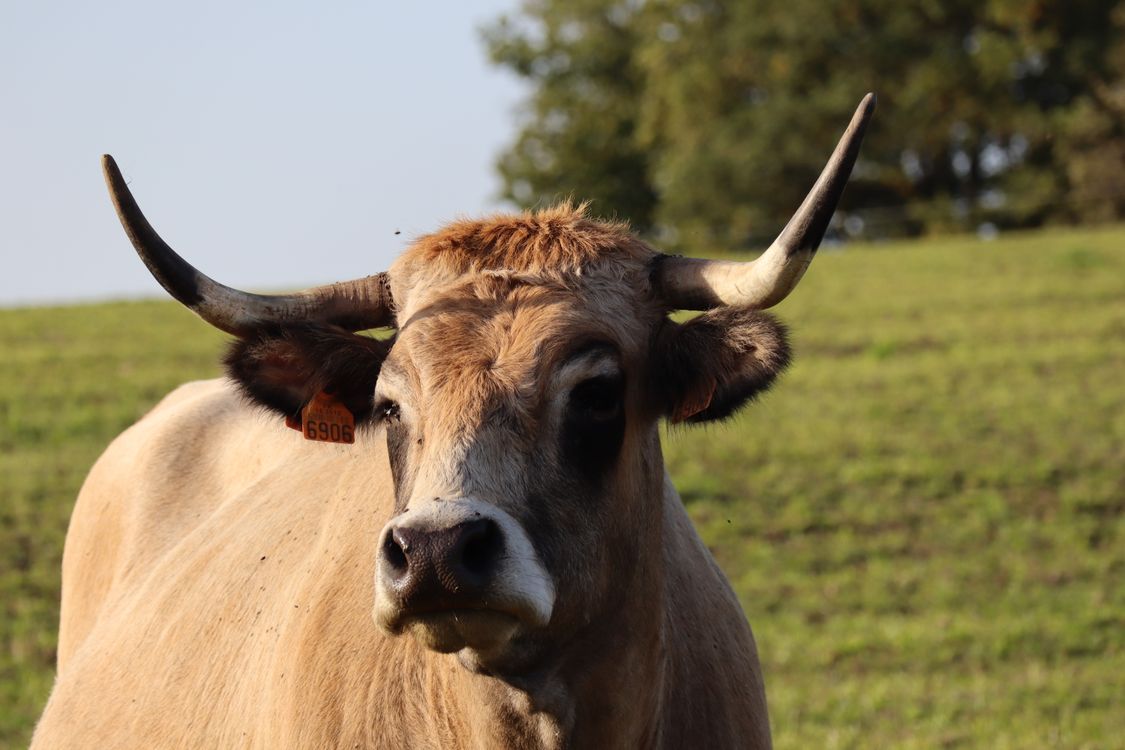
Photo: El Capra / Pexels
Explore volunteering opportunities with cows and cattle on family farms, dairy farms, ranches, smallholdings, animal sanctuaries and other rural projects around the world.
Depending on the host, participants may help with feeding cattle, cleaning barns, maintaining pasture and fencing, preparing bedding, milking, caring for calves or supporting other daily farm activities. In some projects, cows are the main focus of the exchange, while in others they are one part of a mixed farm with crops and other animals.
Some listings may be seasonal, archival or no longer active. Always check the publication date and confirm current activities, accommodation, working conditions and animal-care arrangements directly with the host before making travel plans.
Animal welfare notice
Cattle should have appropriate food, clean water, shelter, space, veterinary care and suitable living conditions. Volunteers should follow the farm or sanctuary’s handling procedures and should not undertake veterinary treatments, difficult animal handling or other specialist tasks without suitable experience and supervision.
What can volunteering with cows involve?
Activities vary according to the type of project, season and number of animals. Volunteers may be invited to help with:
- feeding cows and providing fresh water;
- preparing hay, feed or bedding;
- cleaning barns, stalls and appropriate animal areas;
- moving cattle between suitable areas under supervision;
- maintaining pasture and fencing;
- helping with calves and young cattle;
- milking on dairy farms where appropriate;
- cleaning and preparing milking equipment;
- general farm maintenance;
- field work and seasonal agricultural activities.
The individual listing should explain which activities are actually expected. Working with livestock can involve early mornings, mud, manure, heavy loads and outdoor work in difficult weather, so it is worth understanding the practical reality of the exchange before applying.
Different types of cattle projects
Opportunities involving cows can take place in very different environments. A small family dairy farm, cattle ranch, mixed organic farm and animal sanctuary may all involve bovine care, but their purposes and daily routines can be very different.
On a dairy farm, activities may include milking, feeding calves, preparing bedding and cleaning animal areas or equipment. Cattle farms may instead focus on pasture management, feeding, fencing and general livestock care.
Animal sanctuaries may care for rescued or retired cows without using them for agricultural production. If the purpose of the project or the way animals are managed matters to you, ask the host directly about the farm’s activities and long-term approach to its cattle.
Cattle welfare and responsible animal care
Before joining a project, ask how the cattle are housed, fed and monitored and what veterinary support is available. Conditions can vary significantly according to climate, farming system and the purpose of the project.
Useful questions may include:
- how much access cattle have to pasture or outdoor areas;
- how feeding and drinking water are managed;
- how barns and resting areas are maintained;
- how sick or injured animals are identified and treated;
- who is responsible for veterinary care;
- how calves and young cattle are managed;
- what volunteers are permitted to do with the animals;
- what training and supervision are provided.
Veterinary diagnosis, injections, invasive procedures, difficult births and other specialist interventions should remain with appropriately qualified or experienced people and follow local legal requirements.
Safety when working with cattle
Cows and other cattle are large and powerful animals. Even animals accustomed to people can move suddenly, push, kick or trap someone against a gate, wall or other animal.
Bulls, cows protecting calves and unfamiliar cattle require particular caution. Do not enter pens, move animals or attempt unfamiliar handling procedures without clear instructions from the person responsible for the herd.
Farm environments may also involve tractors, electric fences, machinery, slippery floors, heavy feed bags, tools, dust and uneven terrain. Volunteers should receive appropriate instructions before using unfamiliar equipment.
Ask what clothing and footwear are required and make sure your insurance covers farm work and animal handling where applicable.
Milking and dairy farm activities
Some opportunities involve dairy cattle and may include helping during milking. Milking requires consistent hygiene, careful handling and familiarity with the farm’s equipment and routine.
New volunteers should receive practical instructions before taking part. Ask how frequently milking takes place, what time the work begins and whether volunteers are expected to participate every day.
Dairy farms may also produce cheese, yoghurt or other products. Food production and processing can be subject to hygiene and commercial regulations, so volunteer responsibilities should be clearly defined by the host.
Farm exchange or agricultural employment?
A cultural exchange on a small family farm is not automatically the same as working for a commercial agricultural business. Some cattle farms operate primarily as businesses and may rely on regular labour for essential production activities.
If the role involves substantial productive work, fixed shifts, commercial milking, livestock management or other duties similar to those normally carried out by employees, local labour and immigration rules may apply even when accommodation and meals are provided instead of wages.
Before travelling, confirm the exact tasks, weekly hours, days off and exchange conditions and check whether the proposed activities are permitted under your immigration status.
How to use this page
Open the opportunity that interests you and read the complete announcement. Check the publication date first, because farm activities, seasons and volunteer availability can change.
Look for the contact details or application instructions at the end of the listing and communicate directly with the host.
Before applying, confirm:
- the type and number of cattle involved;
- the exact animal-care and farm activities;
- whether previous livestock experience is required;
- training and supervision;
- daily and weekly working hours;
- days off;
- accommodation and meals;
- minimum stay;
- transport and location;
- protective clothing or equipment;
- insurance requirements;
- any fees, deposits or other financial arrangements.
Some opportunities may provide food and accommodation in exchange for a limited amount of help, while others may have different arrangements. If a mandatory contribution or programme fee applies, ask for the exact amount, what it covers and the applicable cancellation and refund conditions before making a commitment.
Voluntouring does not organise placements, select participants, arrange visas or mediate between volunteers and hosts. It does not process participant payments between travellers and host organisations. Publication on Voluntouring.org does not in itself constitute verification, endorsement or a recommendation of a farm, sanctuary or other opportunity.
For additional guidance, read Voluntouring’s information about safety and legality in volunteering and work exchanges.
Related opportunities
- Farm volunteering opportunities
- Organic farm volunteering opportunities
- Ranch volunteering opportunities
- Animal care volunteering opportunities
- Animal welfare volunteering opportunities
- Animal sanctuary volunteering opportunities
Important: animal-care practices, seasonal activities, project availability, exchange conditions and immigration requirements can change. Confirm current information directly with the host before making travel or financial commitments.
Last reviewed: September 2026.
Browse volunteering opportunities with cows 🐄🌿
Browse the projects below and use the “Older Posts” navigation if available to continue exploring previous opportunities. Always check the publication date and current cattle-care activities before applying.
Do you run a farm, ranch, sanctuary or other project where caring for cows or cattle is a meaningful part of the volunteer experience? You can submit your opportunity to Voluntouring.org for editorial review.