Chicken 🐔
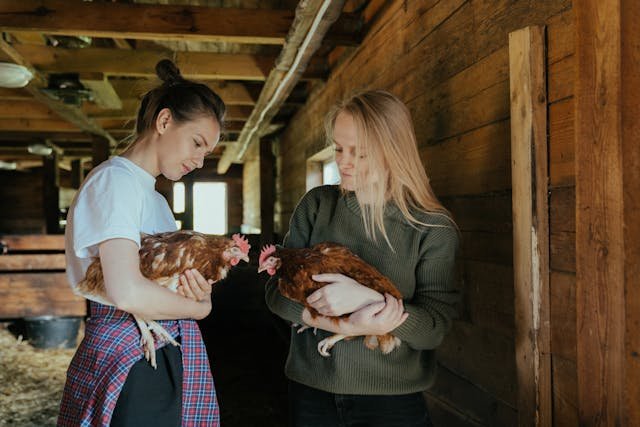
Explore volunteering opportunities with chickens and poultry on farms, homesteads, eco-projects, animal sanctuaries and other rural initiatives around the world.
Depending on the host, volunteers may help feed chickens, collect eggs, clean coops, maintain fencing, provide fresh water or assist with other daily farm activities. In many listings, chickens are only one part of a wider project involving gardening, agriculture, other animals or sustainable living.
Some opportunities may be seasonal, archival or no longer active. Always check the publication date and confirm current animal-care activities, accommodation and exchange conditions directly with the host before making travel plans.
Animal welfare notice
Chickens should have appropriate food, clean water, shelter, suitable living space and protection from weather and predators. Volunteers should follow the host’s animal-care and hygiene procedures and should not undertake veterinary treatment or unfamiliar handling without appropriate guidance.
What can volunteering with chickens involve?
Activities vary according to the farm, season and number of birds. Participants may help with:
- feeding chickens and providing fresh water;
- collecting and storing eggs;
- cleaning chicken coops and nesting areas;
- replacing bedding;
- opening and securing coops at appropriate times;
- maintaining fencing and outdoor runs;
- monitoring birds for obvious signs of injury or illness;
- helping protect poultry from predators;
- general farm, garden or homestead activities.
Read the individual listing carefully to understand how important poultry care actually is within the exchange. A project tagged with chickens does not necessarily mean that most volunteer activities involve animals.
Different types of poultry projects
Chickens may be kept for different reasons. Some small farms and homesteads keep hens primarily for eggs or household food production, while agricultural businesses may operate commercially. Animal sanctuaries may instead care for rescued or retired birds without using them for production.
Some projects also keep ducks, geese, turkeys or other poultry alongside chickens. Ask the host which animals are currently present and what responsibilities volunteers actually have.
If the purpose or treatment of animals matters to you, ask directly about housing, breeding, egg production, veterinary care and what happens to older or unproductive birds.
Chicken welfare and responsible care
Before joining a project, look at the actual conditions in which the birds are kept rather than relying only on labels such as organic, free-range, ecological or sanctuary.
Useful questions may include:
- how much indoor and outdoor space the birds have;
- whether they have suitable shelter from heat, cold, rain and wind;
- how food and drinking water are managed;
- whether appropriate nesting and resting areas are available;
- how coops are cleaned and maintained;
- how predators are managed;
- what happens when a chicken becomes sick or injured;
- what veterinary support is available;
- what volunteers are allowed to do with the birds.
Animal welfare practices can vary considerably between a backyard flock, family farm, commercial poultry operation and sanctuary. Ask questions before accepting an exchange if the conditions are important to you.
Hygiene and biosecurity
Working with poultry also requires good hygiene. Follow the host’s instructions concerning handwashing, footwear, cleaning equipment and access to animal areas.
Farms may introduce additional biosecurity measures when infectious animal diseases are circulating locally. These measures can include restricting visitors, using dedicated footwear or clothing, disinfecting equipment or temporarily preventing volunteers from entering certain areas.
Do not move birds, equipment or animal products between farms without permission, and tell the host if you have recently been working with poultry elsewhere when this is relevant to their biosecurity procedures.
Safety around chickens and farm environments
Chickens are much smaller than many farm animals, but poultry work can still involve scratches, pecks, dust, manure, cleaning products and exposure to animal waste.
Farm environments may also include electric fencing, tools, machinery, slippery ground and other animals. Ask what clothing and footwear are appropriate and follow instructions when using unfamiliar equipment.
Make sure your insurance covers the activities you expect to perform, particularly animal care or agricultural work where applicable.
Egg production and commercial farms
Some hosts keep chickens mainly for household use, while others sell eggs, meat or other farm products. The scale and commercial nature of the activity can affect the type of exchange.
Regular duties within a commercial poultry or egg-production business may be considered agricultural employment under local labour or immigration rules, even when accommodation or meals are provided instead of wages.
Before travelling, confirm the expected hours, exact responsibilities and whether the activities are compatible with your immigration status.
How to use this page
Open the opportunity that interests you and read the complete announcement. Check the publication date first, because the number of animals, seasonal activities and volunteer availability can change.
Look for the contact details or application instructions at the end of the listing and communicate directly with the host.
Before applying, confirm:
- whether chickens or other poultry are currently present;
- the number and type of animals involved;
- the exact animal-care activities;
- other farm or household duties;
- training and supervision;
- weekly hours and days off;
- accommodation and meals;
- minimum stay;
- transport and location;
- hygiene or protective clothing requirements;
- insurance requirements;
- any fees, deposits or other financial arrangements.
Some opportunities may provide food and accommodation in exchange for help, while others may offer accommodation only or follow a different arrangement. If a mandatory contribution or programme fee applies, ask for the exact amount, what it covers and the cancellation and refund conditions before making a commitment.
Voluntouring does not organise placements, select participants, arrange visas or mediate between volunteers and hosts. It does not process participant payments between travellers and host organisations. Publication on Voluntouring.org does not in itself constitute verification, endorsement or a recommendation of a farm, sanctuary or other opportunity.
For additional guidance, read Voluntouring’s information about safety and legality in volunteering and work exchanges.
Related opportunities
- Farm volunteering opportunities
- Organic farm volunteering opportunities
- Animal care volunteering opportunities
- Animal welfare volunteering opportunities
- Animal sanctuary volunteering opportunities
Important: animal-care practices, flock size, seasonal activities, volunteer availability and exchange conditions can change. Confirm current information directly with the host before making travel or financial commitments.
Last reviewed: September 2026.
Browse volunteering opportunities with chickens 🐔🐣
Browse the projects below and use the “Older Posts” navigation if available to continue exploring previous opportunities. Always check that chickens or other poultry are currently part of the project before applying.
Do you run a farm, homestead, sanctuary or rural project where caring for chickens is a meaningful part of the volunteer experience? You can submit your opportunity to Voluntouring.org for editorial review.