Beekeeping 🐝🍯
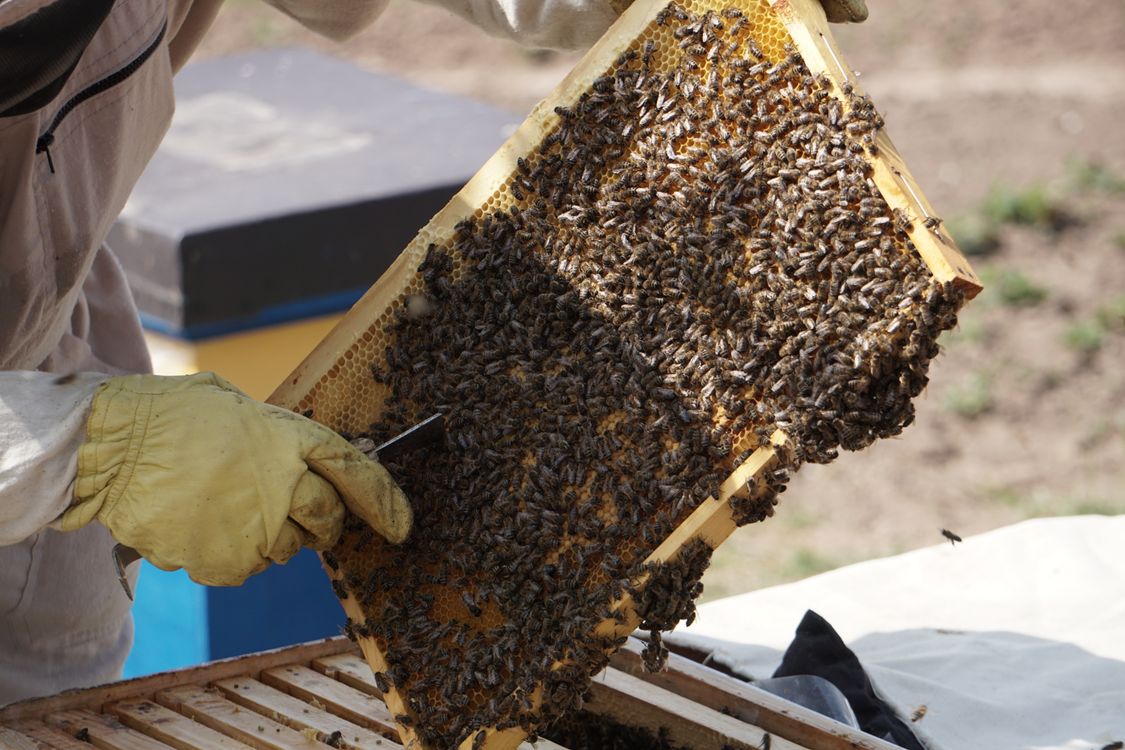
Photo: Dmytro Glazunov / Pexels
Explore beekeeping volunteer opportunities on farms, permaculturePermaculture is a design approach that applies ecological principles to land use, food production and human settlements, aiming to create resilient and resource-efficient systems. projects, eco-projects, educational farms and other places where caring for honey bees or learning about apiculture is a meaningful part of the experience.
Depending on the host and the participant’s experience, activities may include observing hive inspections, maintaining apiary areas, preparing equipment, learning about bee colonies, helping with honey-related activities or supporting wider farm and pollinator projects.
Some listings may be seasonal, archival or no longer active. Beekeeping activities also vary considerably during the year, so always check the publication date and confirm what is currently happening at the apiary directly with the host before making travel plans.
Beekeeping safety notice
Working around active bee colonies involves a real risk of stings. Volunteers should receive appropriate instruction, follow the beekeeper’s procedures and use suitable protective equipment when required. Anyone with a known serious reaction to bee stings should consider this carefully before entering an apiary and discuss appropriate precautions before participating.
What is beekeeping?
Beekeeping, also called apiculture, is the management of colonies of honey bees in hives. Beekeepers may maintain colonies for honey and beeswax production, pollination, education, research, breeding or a combination of these activities.
An apiary is the place where one or more bee colonies are kept. Its size can range from a few hives in a garden or small farm to a much larger commercial operation.
Beekeeping practices vary according to climate, season, local regulations, hive type and the objectives of the beekeeper, so volunteer experiences can differ considerably between projects.
What can beekeeping volunteering involve?
Depending on the project and your experience, activities may include:
- observing hive inspections with an experienced beekeeper;
- preparing and maintaining beekeeping equipment;
- cleaning or organising unused hive components;
- maintaining the area around an apiary;
- learning to recognise basic colony behaviour;
- helping prepare frames and hive boxes;
- assisting with honey extraction or processing where appropriate;
- planting or maintaining flowering plants for pollinators;
- recording simple information about colonies under supervision;
- supporting educational workshops about bees and pollination;
- other farm, garden or permaculture activities connected with the wider project.
The listing should explain which activities volunteers actually perform. A beginner should not be expected to independently manage colonies simply because the project includes beekeeping.
Learning beekeeping as a beginner
Some volunteer projects offer an opportunity to observe or learn basic beekeeping from an experienced host. This can include understanding hive structure, colony behaviour, seasonal management, protective equipment and the different roles of bees within a colony.
Ask how much practical involvement beginners receive. Some hosts may allow volunteers to participate in hive inspections after instruction, while others may limit inexperienced participants to observing or helping with activities away from open colonies.
This distinction is important because responsible beekeeping requires knowledge that develops over time. A short volunteer stay should be treated as an introduction rather than a substitute for proper training and experience.
Bee stings and protective equipment
Bee stings are an inherent possibility when working around active colonies. Appropriate precautions depend on the apiary, colony behaviour, activity and experience of the beekeeper.
Protective equipment may include a bee veil, jacket or full beekeeping suit, suitable footwear and other clothing recommended by the host. Ask what equipment is provided and what you are expected to bring yourself.
Volunteers should know how to calmly move away from the apiary if a colony becomes defensive and should follow the instructions of the experienced beekeeper rather than attempting to continue an inspection independently.
Bee sting reactions can range from local pain and swelling to severe allergic reactions. Ask the host about emergency procedures, particularly when the apiary is in a remote location.
Honey production and harvesting
Some beekeeping projects produce honey or other hive products. Depending on the season and local practices, volunteers may observe or help with suitable stages of extraction, filtering, bottling, cleaning equipment or preparing containers.
Honey harvesting is seasonal and depends on colony conditions, climate and local flowering periods. Do not assume that a project tagged with beekeeping will be extracting honey during your stay.
When honey or other products are sold commercially, food hygiene, labelling and processing requirements may apply. The host should determine which activities volunteers are permitted to undertake.
Beekeeping and pollinator conservation
Honey bees are important pollinators, but beekeeping and wild pollinator conservation are not exactly the same activity.
A project may combine managed honey bee colonies with habitat restoration, flowering gardens, pesticide reduction or biodiversity initiatives. Other pollinator projects may focus primarily on wild bees and other insects without keeping honey bee hives at all.
If a host describes beekeeping as a conservation activity, ask what the wider environmental objectives are and what measures are taken to support local biodiversity.
Responsible hive management
Bee colonies require regular monitoring and appropriate seasonal care. Responsible management can include assessing colony condition, food availability, queen and brood status, pests and diseases, hive space and preparation for seasonal changes.
These decisions should remain under the responsibility of a knowledgeable beekeeper. Volunteers without adequate experience should not independently diagnose colony problems, apply treatments or make management decisions that could affect the colony.
Ask who is responsible for the bees and what experience or training that person has, particularly if volunteers are expected to work directly with open hives.
Seasonality
Beekeeping is strongly seasonal. Colony activity and beekeeper responsibilities vary according to climate, weather and flowering periods.
During some periods there may be frequent hive inspections, swarm management or honey-related activities. At other times the colonies may require minimal disturbance and volunteers may mainly help with general farm, garden or maintenance work.
Ask what beekeeping activities are realistically expected during your intended dates before choosing a project specifically to learn about bees.
Beekeeping on farms and permaculture projects
Many opportunities on Voluntouring combine beekeeping with other rural activities rather than operating as dedicated apiaries.
A volunteer may spend part of the stay learning about bees while also helping with gardening, orchards, harvesting, animal care, construction, food preparation or general farm maintenance.
Read the complete listing carefully so you understand how much of the exchange actually involves beekeeping. The presence of a few hives does not necessarily mean that bee care will be a major volunteer activity.
Commercial apiaries and employment
There is a difference between learning about beekeeping as part of a cultural exchange on a small farm and performing regular productive work for a commercial beekeeping business.
Roles involving substantial honey production, commercial hive management, fixed working shifts or other duties normally performed by employees may be subject to local labour and immigration rules even when accommodation or meals are provided.
Before travelling, confirm the nature of the organisation, expected weekly hours, tasks and exchange conditions and check whether your intended activities are compatible with your immigration status.
How to use this page
Open the opportunity that interests you and read the complete announcement. Check the publication date first, because the number of colonies, seasonal activities and volunteer availability can change.
Look for the contact details or application instructions at the end of the listing and communicate directly with the host.
Before applying, confirm:
- whether active bee colonies are currently present;
- how many hives or colonies the project manages;
- which beekeeping activities volunteers can participate in;
- whether beginners are accepted;
- who supervises hive work;
- what protective equipment is provided;
- what happens in case of bee stings or emergencies;
- which other farm or project activities are expected;
- weekly hours and days off;
- accommodation and meals;
- minimum stay;
- insurance requirements;
- any fees, deposits or other financial arrangements.
Some opportunities may provide food and accommodation in exchange for help, while others may offer accommodation only or follow another arrangement. If a mandatory contribution or programme fee applies, ask for the exact amount, what it covers and the applicable cancellation and refund conditions before making a commitment.
Voluntouring does not organise placements, select participants, arrange visas or mediate between volunteers and hosts. It does not process participant payments between travellers and host organisations. Publication on Voluntouring.org does not in itself constitute verification, endorsement or a recommendation of an apiary, farm or other opportunity.
For additional guidance, read Voluntouring’s information about safety and legality in volunteering and work exchanges.
Related opportunities
- Farm volunteering opportunities
- Organic farm volunteering opportunities
- Permaculture volunteering opportunities
- Biodiversity projects
- Ecology volunteering opportunities
- Educational farm opportunities
Important: colony conditions, seasonal activities, project availability, exchange arrangements and local regulations can change. Confirm current information directly with the host before making travel or financial commitments.
Last reviewed: September 2026.
Browse beekeeping volunteer opportunities 🐝🍯
Browse the projects below and use the “Older Posts” navigation if available to continue exploring previous opportunities. If learning about beekeeping is important to you, confirm that active hive work will actually take place during your planned stay.
Do you run an apiary, farm, permaculture project or educational initiative where beekeeping is a meaningful part of the volunteer experience? You can submit your opportunity to Voluntouring.org for editorial review.