What if your next job took you to a remote Scottish island, surrounded by sea, rugged hills and a remarkable restoration project? Tanera Mòr, the largest of Scotland’s Summer Isles, is recruiting experienced professionals to help run its farming, marine and hospitality operations. The roles offer competitive salaries, possible staff accommodation, meals during shifts and other employment benefits. But this is not an invitation to escape ordinary life without responsibilities: the jobs require professional experience, and island work comes with unpredictable weather, logistical challenges and demanding schedules.
Information reviewed: 9 November 2026. Three positions are displayed on the Tanera Project’s official careers page. However, an external advertisement for Farm and Estates Lead closed on 8 November 2026, so applications for that position require confirmation. The other two roles remain advertised on the official website, without a published closing date.
Imagine beginning your working day with a boat crossing through the Summer Isles, off Scotland’s northwest coast.
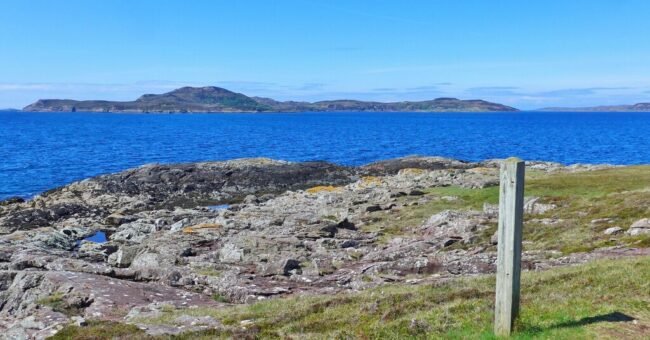
On the horizon are low green islands, rocky shores and the mountains of the Scottish Highlands. Instead of arriving at a conventional office, you step ashore in a place where buildings are being restored, woodlands are growing and a small working community is helping bring new activity to a historically isolated island.
Your day might involve navigating a boat carrying staff and supplies, managing livestock and restoring agricultural land, or preparing food for guests in a kitchen where deliveries depend on the weather.
These are not imaginary jobs.
They are part of the Tanera Project, a charitable regeneration initiative centred on Tanera Mòr, one of the most unusual places to work in Scotland.
The project has attracted attention from the Financial Times for its ambitious approach to restoring island life, supporting communities and protecting the environment.
And its official recruitment website currently features several professional opportunities.
Tanera Mòr recruitment update: 9 November 2026
The official Tanera Project careers page currently lists:
- Marine Skipper: advertised on the official website.
- Senior Chef de Partie: advertised on the official website.
- Farm and Estates Lead: still displayed on the official website, but a corresponding CharityJob advertisement closed on 8 November 2026.
The organisation has not published a closing date for the first two positions on their main job pages. Applicants should confirm availability directly before submitting an application.
Where is Tanera Mòr?
Tanera Mòr is the largest island in the Summer Isles, a small archipelago off the Coigach peninsula in the Northwest Highlands of Scotland.
The island covers approximately 766 acres (310 hectares) and is separated from the mainland by a short stretch of sea.
The nearest mainland communities include Achiltibuie and the surrounding crofting settlements of Coigach, an area known for its dramatic coastal scenery and mountain landscapes.
Despite its relatively small size, Tanera Mòr has a long history of human settlement, fishing, agriculture and maritime activity.
At one time, the island supported a substantial community connected to the herring fishing industry.
As economic conditions changed and traditional industries declined, its permanent population gradually diminished.
By the early twenty-first century, many buildings had deteriorated and the island’s future was uncertain.
Today, Tanera Mòr is being restored through an extensive charitable project that combines environmental management, heritage conservation, hospitality and community development.
Unlike a conventional tourist island, Tanera Mòr does not operate a public passenger ferry service. Access for staff, volunteers and invited guests is organised through the project’s own marine operations.
How did a remote Scottish island become a regeneration project?
The modern transformation of Tanera Mòr began in 2017, when financier Ian Wace purchased the island.
According to the project’s official history, the island was transferred into a charitable trust in 2020.
What began as the restoration of an isolated island developed into a wider initiative with three main objectives:
- Regeneration: restoring buildings, creating employment, supporting traditional skills and contributing to nearby Highland communities.
- Restoration: improving habitats, protecting ecosystems and developing more sustainable land management.
- Resilience: providing restorative stays for people working in demanding UK public service roles.
The Financial Times explored the project’s history and ambitions, including the scale of investment, the restoration of historic buildings and the attempt to create a new economic purpose for the island.
The publication also described the wider ambitions of a privately financed regeneration effort that combines charitable objectives with substantial construction and operational activity.
The project is now developing beyond the island itself, including agricultural, community and environmental work on nearby mainland properties.
More than 100,000 trees and a new approach to land management
Environmental restoration is a significant part of the Tanera Project.
According to the organisation’s official restoration report, its work has included:
- Planting more than 100,000 trees.
- Creating approximately 1.5 million litres of freshwater pond habitats.
- Restoring around 28 acres of former agricultural land for regenerative farming.
- Developing orchards, traditional growing areas and species-rich grassland.
- Improving habitats around buildings, pathways and other infrastructure.
- Supporting research into marine ecosystems in the surrounding waters.
The programme involves both native and non-native tree planting, as well as efforts to create diverse habitats rather than uniform landscapes.
The organisation states that it is beginning to monitor the ecological effects of these interventions.
These figures describe activities reported by the project itself. They should not be interpreted as independently certified biodiversity improvements.
Three professional positions connected to island life
The positions currently featured on the Tanera Project’s recruitment page cover very different areas of work.
One involves farming and landscape management, another requires professional maritime qualifications, and the third focuses on hospitality and kitchen leadership.
All three require previous experience.
1. Marine Skipper
The Marine Skipper is responsible for safely operating vessels that connect Tanera Mòr with the mainland and support everyday island activities.
Boats are essential to the project. They transport staff, visitors, equipment, supplies and cargo, and support other operations taking place around the island.
The marine team operates a mixed fleet of small commercial vessels, including traditional sailing luggers.
The role can include:
- Transporting passengers, staff and equipment.
- Planning voyages and assessing weather and tidal conditions.
- Operating vessels safely in exposed coastal waters.
- Supporting cargo and authorised fuel transfers.
- Maintaining vessels and preparing them for daily operations.
- Managing passenger safety, emergency procedures and pollution prevention.
- Helping provide a professional experience for guests and visiting groups.
The project operates within the wider Wester Ross marine environment, where navigation and marine activities require particular attention to safety and environmental protection.
Who is this suitable for?
The organisation is looking for experienced commercial skippers with strong seamanship, navigation skills and the ability to make safe decisions in challenging conditions.
A corresponding recruitment advertisement on Indeed lists qualifications including RYA Advanced Powerboat, Commercial Endorsement, a recognised medical certificate, VHF/SRC radio certification and relevant safety training.
The advert also identifies passenger transport, traditional sailing and commercial marine operations as relevant experience.
A separate Indeed listing advertised the role at approximately £40,000 per year. Applicants should confirm the current salary and contractual terms directly with Tanera.
Read the official Marine Skipper job description.
2. Senior Chef de Partie
Cooking on a remote Scottish island comes with challenges that would be unusual in a conventional restaurant.
Ingredients and equipment must cross the water, and deliveries depend on weather and operational conditions.
The Tanera Project is recruiting an experienced Senior Chef de Partie to help manage its food operations alongside the Head Chef.
Responsibilities include:
- Preparing food using seasonal ingredients and cooking from scratch.
- Helping develop menus, recipes and new dishes.
- Managing food preparation and kitchen service.
- Supervising kitchen staff when required.
- Taking responsibility for kitchen operations when the Head Chef is away.
- Managing ordering, stock control and inventory.
- Maintaining food quality, hygiene and organisational standards.
- Interacting with guests, colleagues and volunteers when appropriate.
The project places particular emphasis on food as part of the wider island experience, rather than simply a conventional hospitality service.
Who is this suitable for?
The advertised requirements include substantial professional kitchen experience, confidence leading service, classical cooking skills and an interest in seasonal food.
Applicants must be able to work independently and take responsibility for an entire service when necessary.
A full UK driving licence is listed as essential.
The official advertisement describes a competitive salary and employment benefits but does not specify an exact annual amount on the main job page.
Read the official Senior Chef de Partie job description.
3. Farm and Estates Lead
The Farm and Estates Lead position is connected to some of the most ambitious aspects of Tanera’s rural regeneration programme.
The project is expanding its livestock and land management activities across the island and mainland.
It currently manages Blackface sheep and plans to introduce chickens, pigs and cattle in 2027.
The organisation describes landholdings covering approximately 6,500 acres, together with access to around 14,000 acres of common grazing connected to the crofting community of Coigach.
The successful candidate would lead a team of five and help coordinate activities including:
- Livestock care and management.
- Farming and agricultural development.
- Forestry and estate maintenance.
- Groundskeeping and landscaping.
- Restoration of historic agricultural land.
- Support for ecological, gardening and pathways teams.
- Planning work and managing competing operational priorities.
- Engaging with visitors and volunteers where appropriate.
The position requires someone comfortable combining leadership responsibilities with practical outdoor work in sometimes difficult Highland weather.
Who is this suitable for?
The organisation is looking for an experienced farming or estate management professional with strong livestock skills, sound judgement and an interest in landscape-scale regeneration.
An advertisement published on CharityJob specified a salary range of £40,000 to £50,000 per year and described the position as a full-time permanent role.
Application status requires confirmation.
Although the Farm and Estates Lead vacancy remains visible on Tanera’s official recruitment website, the CharityJob advertisement lists an application deadline of 8 November 2026 and is marked closed. Prospective candidates should contact the organisation before assuming late applications are possible.
Read the official Farm and Estates Lead job description.
How much do jobs on Tanera Mòr pay?
These are paid professional jobs, not volunteer placements.
All three descriptions on the official Tanera recruitment website refer to competitive salaries and employment benefits.
However, the main website does not provide a confirmed salary figure for every position.
Pay, accommodation and employment benefits
- Salary: competitive, with the final amount depending on the position and employment agreement.
- Discretionary bonus: advertised, but not guaranteed.
- Staff accommodation: may be available, depending on the position and individual circumstances.
- Meals: provided during working shifts.
- Pension: company pension scheme.
- Healthcare: private medical insurance.
- Professional development: training and opportunities to develop skills within the project.
- Working hours: 40 hours per week, with flexible shifts and possible weekend work.
Published salary examples: a Marine Skipper advertisement on Indeed stated £40,000 annually, while a now-closed Farm and Estates Lead advertisement on CharityJob listed £40,000 to £50,000 annually. These figures should be checked against the final offer.
Important: accommodation is not guaranteed and is not explicitly advertised as free. Meals are provided during shifts, not necessarily as a complete daily meal plan. Confirm accommodation costs, location, availability and other conditions directly with the employer.
Can employees actually live on the island?
This is one of the most important questions for anyone attracted by the idea of island life.
The Tanera Project explains that staff accommodation may be available, and some arrangements can involve living on Tanera Mòr itself.
However, the organisation’s official FAQ makes an important distinction.
Most staff live on the mainland, in or around Achiltibuie, rather than permanently on the island.
Workers regularly travel between the mainland and Tanera aboard the project’s vessels.
For the Farm and Estates Lead position, the organisation explicitly mentions the possibility of discussing accommodation either on the island or on the mainland.
Therefore, being offered a job on Tanera does not automatically mean receiving a house on the island.
Applicants should clarify whether accommodation is available, whether rent or other charges apply, and how the commute would be organised.
What is everyday life like on a remote Scottish island?
For people accustomed to city life, Tanera Mòr offers a very different working environment.
The surrounding sea, mountains and changing light are an important part of the experience.
But there are practical realities behind the spectacular scenery.
Weather controls the daily routine
Scotland’s northwest coast is exposed to rapidly changing conditions, particularly during autumn and winter.
Strong winds, rain, rough seas and limited daylight can make outdoor work and transport more difficult.
Even a relatively short boat crossing requires careful planning when the weather deteriorates.
For the Marine Skipper, these challenges are a central part of professional responsibility.
For the Chef, they can affect deliveries and available supplies.
For the Farm and Estates team, they influence the daily schedule and the ability to complete outdoor activities safely.
The project’s recruitment information emphasises flexibility, practical problem-solving and the ability to work in changing conditions.
Is Tanera Mòr completely isolated?
No. The island is remote, but it is not an abandoned outpost.
Tanera has a substantial working community of staff, contractors, volunteers and visiting groups.
According to the project’s official FAQ, as many as 150 people may be working or staying on the island at a given time, although most are not permanent residents.
Regular project boats connect the island with the mainland, allowing people and supplies to move between the two locations.
There is no public commuter ferry, and the organisation asks visitors to respect the privacy of guests and the areas undergoing restoration.
For people seeking complete solitude, Tanera may therefore be busier than expected.
For those interested in a close-knit working environment, however, the combination of island life and shared responsibilities could be part of its appeal.
Why does the project employ so many people?
The scale of the Tanera Project is unusual for such a small island.
Over several years, the organisation has restored buildings, improved infrastructure, developed paths and worked to recover aspects of the island’s natural and cultural heritage.
Its activities extend beyond conventional conservation.
According to its regeneration information, the project also supports traditional skills such as dry-stone walling, weaving, heritage boat restoration and other forms of craftsmanship.
Two restored herring luggers, the Clan Gordon and St. Vincent, are used in activities connected with maritime heritage and training.
The project also works with local organisations and schools, supporting opportunities for community engagement and practical education.
Another significant part of its mission involves welcoming people who work in public service.
The island hosts restorative stays for selected groups, including people serving in the armed forces, police and healthcare services.
According to the project, more than 1,300 public service workers have participated in these stays since 2018.
This combination of environmental restoration, community development and restorative hospitality helps explain why Tanera needs professionals from several different industries.
Can you also volunteer on Tanera Mòr?
Yes, but volunteering is a separate programme from the paid vacancies described above.
The Tanera Project has welcomed volunteers since 2024.
According to the organisation, volunteers contributed more than 1,000 hours during 2025.
Activities described by the project include:
- Gardening and practical land management.
- Path building and maintenance.
- Beach cleaning.
- Joinery and traditional crafts.
- Weaving and heritage activities.
- Sailing-related activities.
- Skill-sharing and workshops.
The programme has also expanded to include work experience and opportunities for people to share specialist knowledge.
However, the public information does not establish that every volunteering opportunity includes free accommodation, meals or transport.
Interested volunteers should ask about available dates, eligibility, living arrangements and any costs before making plans.
More information is available on the Tanera Project’s community and volunteering page.
Can international applicants work on Tanera Mòr?
The Tanera Project employs people from different backgrounds, including international staff.
However, candidates must meet the immigration and employment requirements applicable to working in the United Kingdom.
The employer must verify a candidate’s right to work before employment begins.
For applicants who do not already have permission to work in the UK, obtaining an appropriate visa may require sponsorship by an approved employer.
The published Tanera job pages do not clearly confirm that visa sponsorship is available for these three positions.
International applicants should therefore ask the organisation about sponsorship before assuming they are eligible.
General information about employment eligibility is available from the UK government’s right-to-work guidance and its Skilled Worker visa information.
Qualifications may also require professional recognition, especially for marine operations or other regulated activities.
How to apply for a job on Tanera Mòr
The most reliable starting point is the official Tanera Project recruitment page.
Each job has its own description, including a downloadable document containing additional requirements.
Before applying, candidates should review the responsibilities, qualifications and expected working arrangements.
The project has not provided a uniform application deadline across all three publicly listed roles.
As of 9 November 2026, the Farm and Estates Lead recruitment requires particular care because an independently published advertisement closed the previous day.
If the application process or current vacancy status is unclear, the project’s public contact address is info@tanera.org.
Applicants can use this contact to ask for the correct recruitment procedure. They should not assume that sending a CV to the general enquiries address is sufficient to submit a formal application.
Useful questions include whether a role is still accepting applications, the current salary, whether staff housing is available, any associated costs and whether international candidates can be considered.
Could living and working on Tanera Mòr be for you?
There are jobs in which the location is simply somewhere you go to work.
On Tanera Mòr, the location is an essential part of the work itself.
Farming, maritime transport and hospitality are shaped by the island’s geography, weather, infrastructure and community.
The project’s wider purpose adds another dimension: employees contribute to a place undergoing a long-term programme of physical, environmental and social restoration.
That can make the experience attractive to professionals who want something different from a conventional workplace.
But it is not an easy alternative to ordinary working life.
The roles demand experience, responsibility, adaptability and a willingness to work in a challenging coastal environment.
Accommodation is not guaranteed, the weather can disrupt plans and weekend work forms part of the advertised schedules.
For experienced professionals attracted by Scotland’s remote islands, Tanera Mòr offers a distinctive possibility: a paid career connected to the restoration and everyday operation of an extraordinary place.
Explore Tanera Mòr on Google Maps 📍
Sources and further reading
- Tanera Project: Official recruitment page and current vacancies.
- Tanera Project: Marine Skipper job description.
- Tanera Project: Senior Chef de Partie job description.
- Tanera Project: Farm and Estates Lead job description.
- CharityJob: Farm and Estates Team Lead, salary information and 8 November 2026 closing date.
- Indeed: Marine Skipper recruitment information, qualifications and advertised salary.
- Tanera Project: Rural regeneration, local employment and heritage restoration.
- Tanera Project: Environmental restoration and land management.
- Tanera Project: Working community, volunteers and charitable guests.
- Tanera Project: Frequently asked questions about accommodation, transport and island access.
- Financial Times: The tale of Tanera Mòr, a billionaire’s radical vision for a remote Scottish island. Subscription may be required.
- UK Companies House: The Tanera Project, company SC874409.
- UK Government: Skilled Worker visa requirements.
Editorial review: 9 November 2026. This is an independent informational article based on publicly available recruitment notices and information about the Tanera Project. It is not a listing submitted through the Voluntouring.org Host Form, and Voluntouring.org is not affiliated with the employer.
Vacancies, salaries and accommodation arrangements may change. The Farm and Estates Lead position has an expired external application deadline. Readers should verify current availability and employment conditions directly with the organisation.
Contact details 📧🔍
Organisation: The Tanera Project.
Location: Tanera Mòr, Summer Isles, Northwest Highlands, Scotland.
Official website: www.tanera.org
General enquiries: info@tanera.org
The official careers page contains the advertised positions and downloadable job descriptions. Check each position’s status before applying.
For the Farm and Estates Lead role, confirm whether applications are still being accepted following the 8 November 2026 deadline published on CharityJob.
Applications and recruitment enquiries are handled directly by the Tanera Project. Voluntouring.org does not manage recruitment or guarantee employment.