


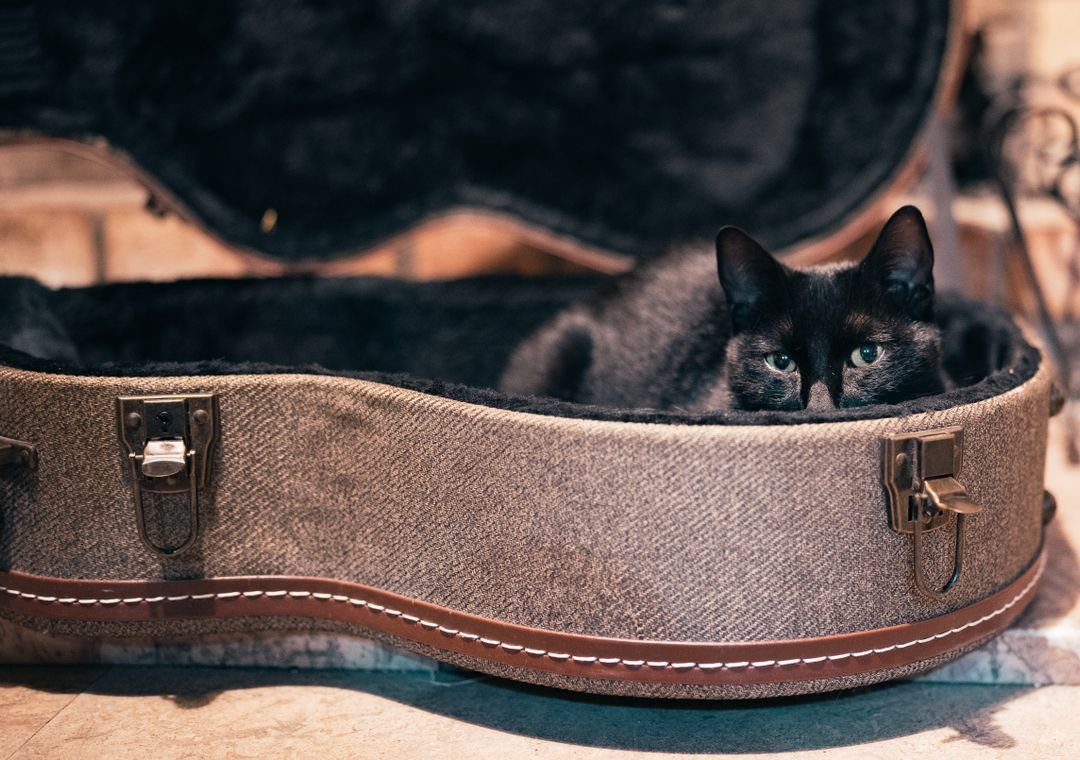
Can a guitar, a flute or a soft voice help animals feel calmer in a shelter? Wild Tunes is trying to answer that question through a simple and unusual form of volunteering: musicians playing live music for shelter animals.
What is Wild Tunes?
Wild Tunes is a US-based nonprofit project that connects volunteer musicians with animal shelters. The idea is beautifully simple: instead of performing for a human audience, volunteers play or sing for animals living in shelters.
The project was founded by Yuvi Agarwal, a young musician from Houston, after he noticed that music seemed to calm his own dog. From there, Wild Tunes began inviting musicians of different ages and skill levels to bring gentle live music into shelter environments.
The summer flyer shared by Wild Tunes describes the opportunity as a way to support animals in shelters, earn service hours, use musical talent for a good cause and perform for a “non-judgmental audience”. It is a sweet idea, but also one that deserves to be explained carefully.
So, are volunteers playing music for the animals?
Yes. The main purpose is not fundraising, and it is not a concert for visitors. The aim is to offer a form of auditory enrichment to animals who may be living in a stressful environment.
In a shelter, animals may be surrounded by barking, cleaning noises, unfamiliar smells, changing routines and limited personal space. Wild Tunes suggests that calm live music, combined with a quiet and positive human presence, may help some animals relax.
That said, we should avoid saying that “animals love human music” as if dogs, cats and people experienced music in the same way. That would be too anthropocentric.
A more careful way to describe this project would be this:
Gentle, predictable sounds may help create a calmer environment for some shelter animals, when volume, distance, duration and individual reactions are respected.
What does animal welfare research suggest?
There is some research suggesting that certain types of music or auditory stimulation may have a calming effect on dogs in kennel or shelter settings. For example, a study published in Animal Welfare found that dogs in a rescue shelter spent more time resting and less time standing when classical music was played, while heavy metal music was associated with more barking.
Another study on kennelled dogs found that dogs spent more time lying down and less time standing when music was played, with some physiological indicators suggesting lower stress during soft rock and reggae. These findings are interesting, but they do not mean that any music, played in any way, will benefit every animal.
For cats, the question is even more delicate. A study published in Applied Animal Behaviour Science found that cats responded more positively to music designed around species-appropriate frequencies and tempos than to music composed for humans. This is an important reminder because what sounds pleasant to us is not automatically pleasant to another species.
So, Wild Tunes might not be offering “music therapy” in a strong medical sense, but musical enrichment for shelter animals, provided that shelter staff guide the activity and animal welfare remains the priority.
Why we still find the idea interesting
Even with these scientific cautions, Wild Tunes is an inspiring example of skills-based volunteering. It shows that volunteering does not always mean building, farming, teaching or travelling abroad. Sometimes it can begin with something personal: a song, an instrument, a calm presence, a willingness to be useful in a small and gentle way.
For young musicians, students, families or amateur performers, this kind of project can also make volunteering more accessible. You do not need to be a veterinarian or animal behaviour expert to help, as long as the activity is supervised by people who understand animal welfare.
There is also something beautiful about the audience. Shelter animals do not care about perfection. They do not judge wrong notes. They do not ask for a polished performance. If the environment is managed well, the volunteer’s role is simply to bring calmness, softness and respectful attention.
Important animal welfare considerations
Any project like this should be guided by shelter staff or animal welfare professionals. Music should never become another source of stress for animals who already have little control over their environment.
- Keep the volume low and gentle.
- Allow animals to move away from the sound whenever possible.
- Keep sessions short, especially at the beginning.
- Observe each animal’s body language and stress signals.
- Avoid sudden, loud or percussive sounds.
- Do not assume that all species, breeds or individuals will respond in the same way.
- Follow the shelter’s instructions at all times.
The best version of this idea is not “let’s perform at animals”. It is “let’s ask whether our presence and sound can make this environment a little less stressful, and let’s stop if the animals tell us it is not helping”.
Who could this opportunity be good for?
Wild Tunes may be especially interesting for people who already play an instrument or sing and want to use their skills in a meaningful way. It could also be a good fit for students looking for service hours, music teachers who want to involve their students in a kind community project, or families searching for a gentle local volunteering activity.
It is probably not suitable for travellers looking for a residential volunteer program with accommodation. At least from the information publicly available, this looks like a local volunteering opportunity rather than a voluntourism placement.
Can this idea inspire other shelters?
Yes, with care. Shelters in other countries could take inspiration from Wild Tunes, but they should adapt the idea to their own animals, spaces and welfare protocols. The goal should never be to create cute content for social media at the expense of the animals. The goal should be a calmer, kinder shelter environment.
If a shelter wants to try something similar, it could start very small: one trained volunteer, one quiet instrument, one short session, staff supervision and careful observation of the animals’ reactions.
Interested in Wild Tunes?
If you are based in the United States, play music or sing, and would like to explore this opportunity, you can learn more through the official Wild Tunes website.
Visit Wild Tunes volunteer page
Sources and further reading
- Wild Tunes official website
- Wild Tunes volunteer page
- AP News: Volunteers play music to soothe shelter animals
- Anti-Cruelty: Wild Tunes at Anti-Cruelty
- Wells, Graham & Hepper: Auditory stimulation and dogs in rescue shelters
- Bowman, Dowell & Evans: Music genres and stress levels in kennelled dogs
- Snowdon, Teie & Savage: Cats prefer species-appropriate music
Explore more volunteer projects
Discover more ways to use your time and talents through music, animal welfare and rescue projects published on Voluntouring.org.