

Dating app scams while traveling
A match on a dating app. A few friendly messages. The feeling that there is a real person on the other side, someone interesting, maybe even genuinely interested in you. Then comes the invitation: “Let’s meet. I know a nice place.”
In recent years, more and more stories have appeared on social networks, forums and platforms such as Reddit and Quora, where travelers and ordinary people describe being caught in scams that started through dating apps.
What follows is only one possible version of a fake date scam: a situation where the victim is pushed into spending money indirectly, often without realizing immediately that something is wrong. In this case, the scam tends to affect travelers, tourists, expats, digital nomads, backpackers, volunteers and work exchangers who are abroad, often alone, and use dating apps to meet local people.
It starts with a promising match. The conversation flows easily and, after a short while, a real-life meeting is arranged. “We really have to go to this place,” says the person you are interested in. They say they are local, and at first this makes it easier to trust them. The evening seems normal, sometimes even perfect. No obvious warning signs, no major red flags. The problem appears at the end, when the bill arrives: expensive drinks, bottles that were never clearly ordered, “premium” dishes with inflated prices. When it is time to pay, the other person suddenly has a problem: a dead phone, a blocked card, a banking app that does not work. Sometimes friends also appear at the table, making the scene feel more natural, but when the bill arrives they disappear too.
And the victim is left alone with the bill.
This kind of scam can happen to anyone: men, women, younger or older people, solo travelers, expats, students, tourists on holiday. It is not limited to one gender or one specific country. It can happen anywhere, but the risk increases when a traveler does not know the local context, does not speak the language well, is unsure which places are trustworthy and may feel more vulnerable or isolated. According to the Overseas Security Advisory Council (OSAC), no sex, age group or economic group is excluded from the risks connected to dating apps abroad.

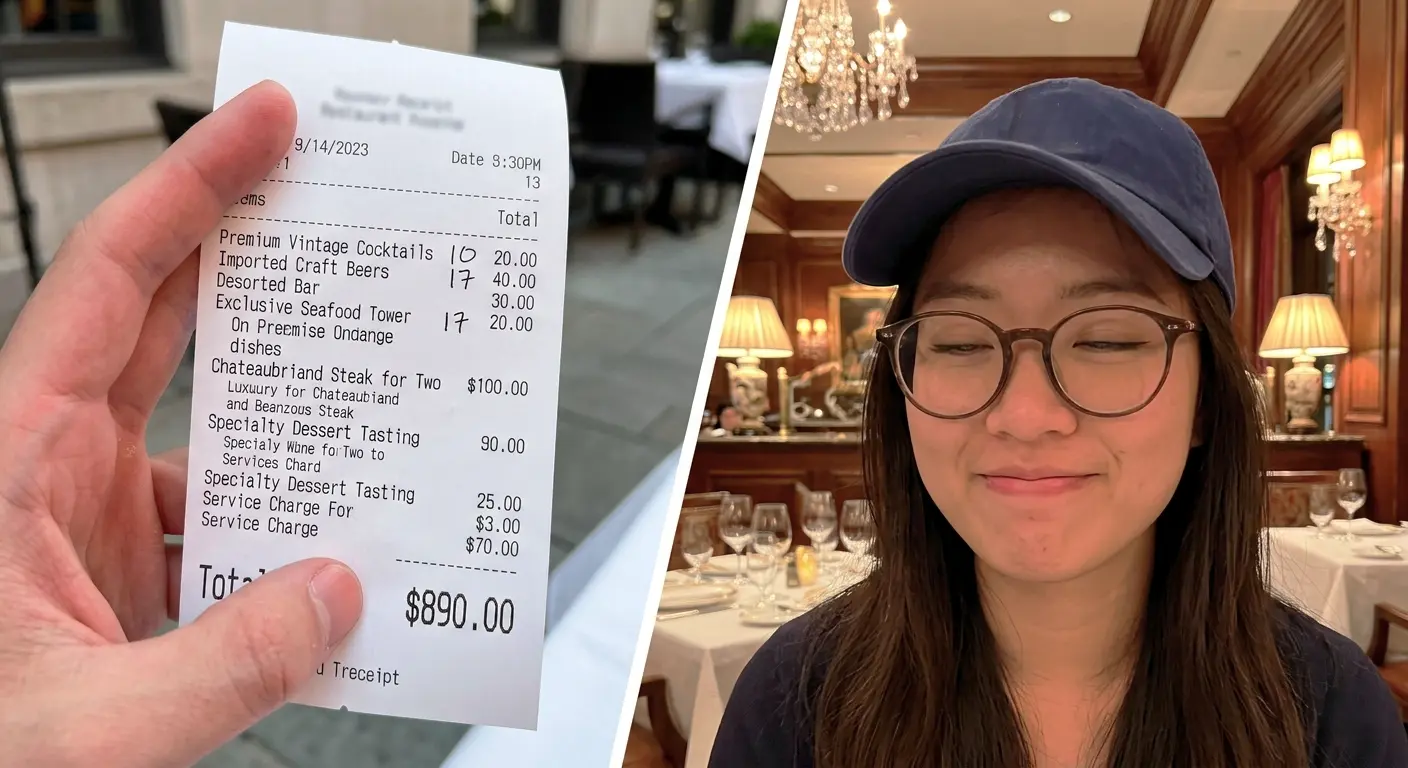
How the fake date scam works
Unlike some online scams, the profile is not always completely fake. The person may be real, use real photos, chat for days and appear believable.
The goal is to build trust.
After some conversation, the person suggests meeting in a specific venue. The place is often not chosen by chance. It may be a bar, club or restaurant that works with people who bring in new victims. Once seated, the bill can rise quickly. Cheap drinks are sold as high-end spirits. Sparkling wine becomes champagne. Ordinary food is presented as an expensive speciality. In the end, an evening that should have cost a small amount can turn into a bill of 200, 300, 500 euros or more, depending on the destination and the venue.
Then comes the psychological pressure. The victim feels embarrassed, does not want to look rude or cheap, does not want to ruin the mood, or is afraid to protest in an unfamiliar place. So they pay.
The next day, the other person changes tone. They answer less, postpone, make excuses. Then they block the number.
At that point, the ghosting begins too: the person disappears and the profile may become unreachable.
What does the scammer actually gain?
The scammer has not simply managed to get a free dinner. In many cases, the real profit comes from a commission, sometimes a high one, paid for each new victim brought into the venue. The bar, restaurant or some of the people present may therefore be part of the same setup.
The fake date is only one type of romance scam
Modern romance scams often begin online, but they can also continue in real life. The scammer builds a believable relationship, sometimes even using their real face, then finds a way to get money: an emergency, a trip, a family problem, a fake investment opportunity. The Federal Trade Commission (FTC) explains that many scammers create profiles on dating apps or social networks, build trust and then ask for money.
Further reading
Romance scams: the main variants reported
The fake restaurant or bar date is only one form that romance scams can take. In many cases, the first contact happens online, through dating apps, social networks or apparently casual messages, but the scam may continue in person through financial pressure, blackmail, theft or situations designed to put the victim in a difficult position.
Commonly reported variants include fake profiles that build a long-distance relationship and then ask for money for emergencies, travel, medical care or documents; fake soldiers, doctors, entrepreneurs or workers abroad who always postpone meeting in person; requests for money through bank transfers, gift cards, cryptocurrency or payment apps; fake parcels supposedly blocked at customs; fake investment opportunities proposed by someone met online; blackmail involving intimate photos; invitations to cooperating venues with inflated prices; and more serious cases where victims are drugged, robbed or threatened after meeting someone.
The pattern is often similar: trust is created first, then a financial request, social pressure or urgent situation is introduced to push the victim to act quickly.
Reliable sources to learn more
- Federal Trade Commission (FTC) – What to know about romance scams
- Federal Bureau of Investigation (FBI) – Romance scams
- Europol – Romance scams: recognising manipulation before it escalates
- INTERPOL – Romance baiting and online investment fraud
- Commodity Futures Trading Commission (CFTC) – Romance frauds and investment scams
The fake date scam works differently from many traditional romance scams: the money is not always requested directly. Instead, the victim is made to spend it in a venue, through social pressure, embarrassment and inflated prices.
There are also more dangerous variants. In some destinations, authorities and consulates have warned about cases where people met through apps or in nightlife venues were drugged, robbed or blackmailed. The advice is consistent: meet in public places, tell someone where you are going, never leave your drink unattended and do not move too quickly to private places with someone you have just met.
Warning signs to watch for 🚩
The first warning sign is insistence on one specific venue. If someone you have just met refuses every alternative and wants to go only to one particular place, it is worth pausing.
Other signs not to ignore
- The venue has very few reviews, suspicious reviews or unclear prices.
- The person orders a lot without asking what you actually want.
- Unexpected friends arrive at the table.
- The menu is not shown, or the prices are not transparent.
- The bill includes vague items.
- The staff make you feel rushed or pressured.
- When you suggest a simpler bar or café, the other person insists or disappears.
A real date can be spontaneous, but it should never make you feel forced to pay, consume or stay somewhere that does not feel right.
How to protect yourself 🙅🏻♂️
The first rule is simple: for a first meeting, choose a public, familiar place that is easy to leave. A coffee, a walk in the centre, or a drink in a place with clear reviews is usually safer than a venue chosen entirely by someone you have just met.
Before ordering, check the menu and the prices. If something feels wrong, leave. You do not need to justify yourself.
When you travel, share your location with someone you trust, keep your phone charged and let someone know where you are going. Avoid drinking too much with people you have just met and never leave your drink unattended. If you suddenly feel unwell, confused or have memory gaps, seek medical help immediately and contact the local authorities.
And above all: do not feel ashamed.
These scams work because they exploit normal human emotions: curiosity, attraction, loneliness, trust and the desire to experience travel fully.
If it happens to you
Save everything: screenshots of the chat, the person’s profile, the name of the venue, the receipt, the location, times and any card payments. If you paid by card, contact your bank as soon as possible. If you felt threatened, trapped or forced to pay, report the incident to the local police.
You can also report the profile to the dating app. If you are abroad and feel unsafe, contact local authorities, your embassy or consulate, and your bank if a payment was involved. In an emergency, call the local emergency number immediately.
Have you experienced something similar?
If, while traveling, you have faced an inflated bill, pressure to pay, threats, theft, or suspected drink spiking, meaning that someone may have put a substance in your drink without your knowledge, do not keep it to yourself.
Save screenshots, receipts, the name of the venue, the location and details of the profile used to contact you. Report the incident to local authorities, the dating app, your bank if a payment was involved, and your embassy or consulate if you feel unsafe abroad.
Sharing your experience can also help other travelers recognise similar situations earlier.
Useful resources for safer travel
Before traveling, especially if you plan to use dating apps or travel alone, check official safety advice and keep emergency contacts within reach.
- Overseas Security Advisory Council (OSAC) – Security considerations for using dating apps abroad
- U.S. Embassy in Colombia – Risks of using online dating applications
- Federal Trade Commission (FTC) – What to know about romance scams
- Federal Bureau of Investigation (FBI) – Romance scams
- Europol – How to recognise romance scams
- INTERPOL – Romance baiting and online investment fraud
- Commodity Futures Trading Commission (CFTC) – Romance frauds and investment scams